Flutter Fundamentals for Beginners
Introduction to Flutter
What is Flutter?
Flutter is a toolkit for building apps that look and feel great, all from a single set of instructions. Created by Google, it allows developers to write code once and run it on mobile (iOS and Android), web, and desktop platforms. Think of it like a universal recipe that works perfectly whether you're baking in a gas oven, an electric oven, or even over a campfire. You get the same delicious cake every time, just adapted for the environment.
Flutter is Google's recommended SDK for when you want to share business logic and UI code across all platforms to deliver a consistent, reliable user experience.
This 'write-once, run-anywhere' approach saves a massive amount of time and effort. Instead of building separate apps for each platform, a team can focus on creating one high-quality application. This consistency is Flutter's superpower. Now, let's look under the hood to see how it pulls this off.
A Layered System
Flutter's architecture is organized into layers, with each layer building upon the one below it. This separation makes the framework flexible and efficient. At the top, we have the layer developers interact with most. As we go deeper, the layers get closer to the device's hardware.
The Flutter Framework is where developers live. It's written in a language called Dart and contains all the high-level tools you need, like a rich library of pre-built user interface components called widgets.
The Flutter Engine is the powerhouse core. Written in high-performance C++, it takes care of the low-level work, like painting widgets to the screen, handling input, and laying out text. It uses a graphics library called Skia, which is the same one used by Google Chrome and Android.
The Platform Embedder is a piece of platform-specific code that acts as the glue between Flutter and the operating system. It allows a Flutter app to run like any other native app on your phone or computer.
The Dart Language
Flutter apps are written in the Dart programming language, also developed by Google. Dart was chosen for Flutter because it’s optimized for building user interfaces. It has a few key features that make the development process smooth and the final apps fast.
One of its most beloved features is Hot Reload. This allows developers to see the changes they make to the code reflected in the app instantly, without losing the current state. It makes experimentation and bug-fixing incredibly fast.
Dart can be compiled in two ways. For development, it uses a Just-In-Time (JIT) compiler, which enables Hot Reload. When it's time to release the app, it uses an Ahead-Of-Time (AOT) compiler. This compiles the Dart code into fast, predictable native machine code, ensuring the app starts quickly and runs smoothly.
Setting Up Your Environment
Getting started with Flutter involves a few steps. First, you'll need to install the Flutter SDK (Software Development Kit), which contains all the command-line tools and libraries needed to develop Flutter apps. You can download this directly from the official Flutter website.
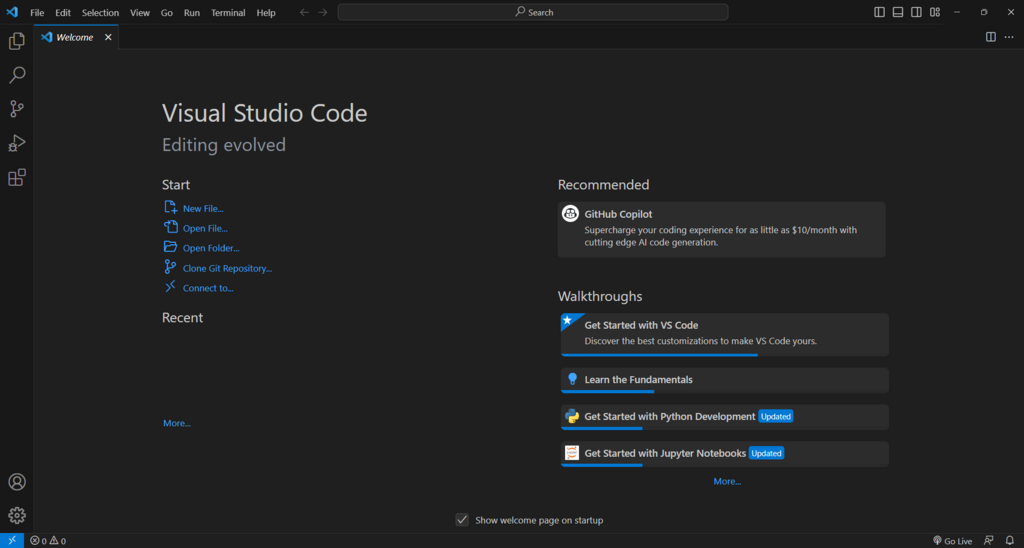
Next, you'll need a code editor or an Integrated Development Environment (IDE). The two most popular choices are Visual Studio Code and Android Studio. Both offer excellent Flutter support through plugins that provide syntax highlighting, code completion, and debugging tools. These plugins make writing Flutter code much easier.
Once the SDK and IDE are installed, you run a command called
flutter doctor. This handy tool checks your system and tells you if any dependencies or platforms, like Xcode for iOS or the Android SDK, are missing. It guides you through the final steps to get everything configured correctly.
Let's check your understanding of these foundational concepts.
What is the primary advantage of using Flutter for app development?
Which layer of the Flutter architecture is written in C++ and is responsible for low-level tasks like rendering graphics?
With the environment set up, you are ready to start building. The combination of a layered architecture, the powerful Dart language, and a robust development environment makes Flutter a compelling choice for creating beautiful, high-performance apps for any screen.