Flute Articulation Techniques
Embouchure and Air Control
The Shape of Your Sound
Your sound on the flute starts before you even make a note. It begins with your embouchure, which is the specific shape you make with your lips and facial muscles. Think of it like a sculptor shaping clay. The final form of the sound depends entirely on how you prepare your mouth.
The key players are your lips, the corners of your mouth, and your chin. Your lips act as the channel for the air, and their flexibility is crucial. The corners of your mouth provide stability, while your chin should remain flat and relaxed to keep your lower lip from becoming too tense.
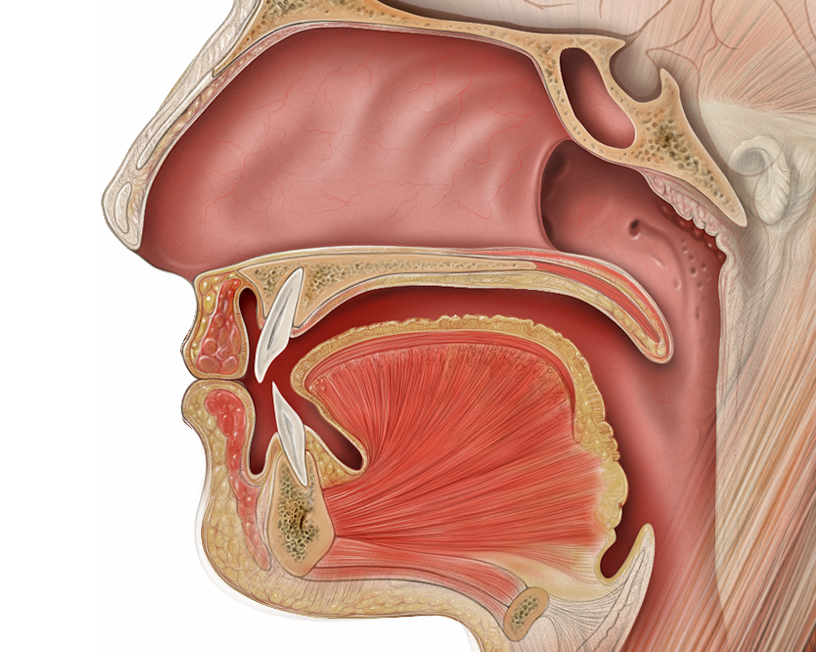
To find a good starting position, say the word "poo" and hold the final shape your lips make. Notice how they are relaxed, slightly pursed, and forward. The opening, or aperture, should be small and oval-shaped. Avoid pulling the corners of your mouth back into a wide smile; instead, keep them firm but pointed slightly downward, as if you're frowning just a little. This helps create a focused, directed airstream.
Your embouchure should feel natural and supported, not stretched or tight. Tension is the enemy of a beautiful tone.
Powering the Music
Once your embouchure is set, you need to power it with a steady, consistent column of air. This is where breath support comes in. Effective breath support doesn’t come from your chest or shoulders; it originates deep in your core with a large muscle called the diaphragm.
Imagine your airstream as a smooth, wide river, not a series of short, choppy waves. This steady flow is what gives your tone substance and allows you to play long, beautiful phrases without gasping for air. Shallow chest breathing leads to a weak, unsteady sound and can create tension in your throat and upper body.
Proper air support allows the lips to vibrate naturally within the mouthpiece, reducing the need for excessive lip pressure and preventing the pain that drives young players away from their instruments.
To feel your diaphragm at work, try this simple exercise. Lie on your back and place a light book on your stomach. As you inhale slowly through your mouth, focus on making the book rise. Your chest should move very little. As you exhale, the book should fall. This is diaphragmatic breathing. The goal is to replicate this deep, low breath when you are standing or sitting to play.
Directing the Airstream
Your embouchure and breath support work together to create and control the airstream. The final piece of the puzzle is learning to direct that stream of air. By making subtle adjustments with your jaw and lips, you can change the angle of the air hitting the lip plate of the flute.
Think of it like aiming a garden hose. A small change in the angle of the nozzle sends the water in a completely different direction. Similarly, pushing your jaw slightly forward directs the airstream higher, which can help you play higher notes and raise the pitch. Pulling your jaw back slightly directs the air lower, which is useful for lower notes and lowering the pitch.
This control is essential for playing with good intonation and for making dynamic changes. For example, when you play louder (forte), the tendency is for the pitch to go sharp. By directing the airstream slightly lower, you can counteract this and stay in tune. When you play softer (piano), the pitch tends to go flat. Directing the air higher helps bring the pitch back up.
Mastering these foundational skills—a relaxed embouchure, deep breath support, and precise airstream control—will pave the way for clear, expressive, and beautiful flute playing.
Which part of the body is the primary source for effective breath support when playing the flute?
To form a good initial embouchure, you should shape your lips as if you are saying the word "poo".
With a solid grasp of these fundamentals, you are now ready to explore how the tongue shapes and defines each note.