Fluorescence and Chlorophyll-a Reagents Explained
Introduction to Fluorescence
The Glow of Fluorescence
Some materials have a fascinating party trick: they can absorb light of one colour and then, almost instantly, spit out light of a different colour. This rapid glow is called fluorescence. It's not a reflection; it's a genuine transformation of light energy.
Think of it like this. Imagine catching a fast-moving, high-energy blue tennis ball. Instead of throwing the same ball back, you absorb its energy and immediately throw back a slower, lower-energy green one. Certain molecules do something similar with photons, the tiny packets of light energy. They absorb a high-energy photon (like ultraviolet or blue light) and emit a lower-energy one (like green, yellow, or red light).
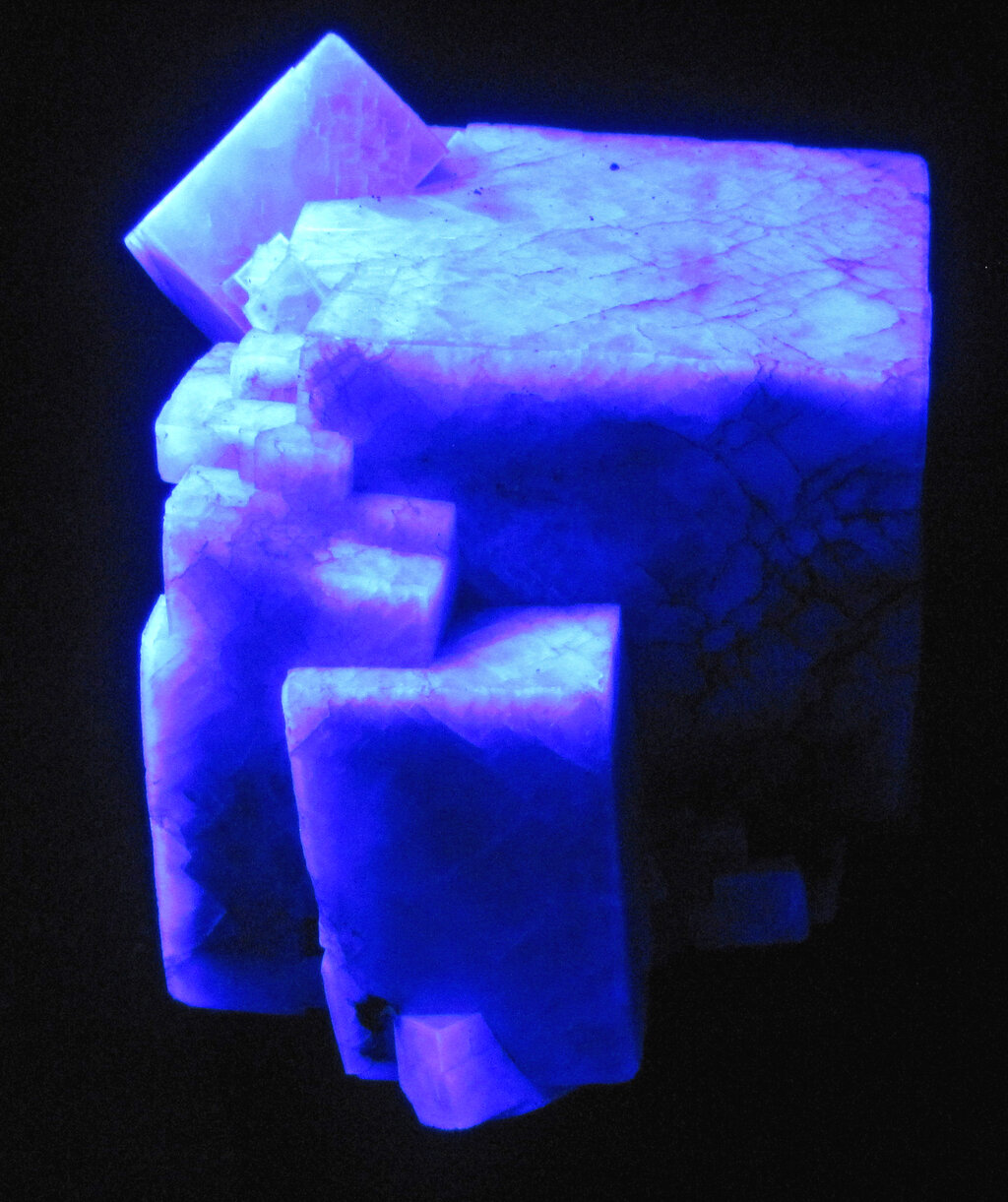
A Molecular Light Show
So what's happening on a microscopic level? It all comes down to electrons. In an atom or molecule, electrons occupy specific energy levels, or orbitals, much like planets in a solar system. Normally, they stay in their comfortable, low-energy 'ground state'.
When a photon of just the right energy strikes the molecule, an electron absorbs that energy and jumps to a higher, more energetic level. This is called the 'excited state'. But this state is unstable and temporary. The electron can't stay there for long.
The electron almost immediately falls back to its ground state. As it falls, it releases the extra energy by emitting a new photon. This emitted photon is the fluorescent glow we see.
Crucially, the electron loses a little bit of energy as heat before it drops back down. This means the emitted photon always has less energy than the absorbed one. In the world of light, lower energy means a longer wavelength. This is why if you shine blue light on a fluorescent substance, it might glow green or red, but never the other way around. This energy shift is known as the Stokes shift.
What Affects the Glow
Not all fluorescent substances glow with the same brightness, and several factors can influence the intensity of the light they produce.
Concentration: To a point, having more fluorescent molecules means more light will be emitted. However, if the concentration gets too high, molecules can start to interfere with each other, a process called 'self-quenching' that can actually dim the glow.
Quantum Yield: This is a measure of the efficiency of the fluorescence process. A quantum yield of 1.0 would mean that for every photon absorbed, one photon is emitted. Most substances are less efficient, with some of the absorbed energy lost as heat instead of light.
Quenching: The fluorescence can be 'quenched' or dimmed by other substances in the environment. Certain molecules, like oxygen, are notorious quenchers because they can interact with the excited molecule and steal its energy before it has a chance to emit a photon.
Photobleaching: Prolonged exposure to intense light can permanently damage the fluorescent molecule, causing it to lose its ability to fluoresce. It essentially gets 'burned out'.
A Tool for Science
Because it's highly specific and sensitive, fluorescence has become an indispensable tool in many scientific fields. The ability to make specific molecules glow has revolutionised how we see the microscopic world.
Fluorescence is one of the most widely used techniques in biological sciences.
In biology and medicine, scientists attach fluorescent tags, like Green Fluorescent Protein (GFP), to specific proteins or DNA sequences. This allows them to watch the movement and interaction of molecules within living cells, essentially lighting up the machinery of life.
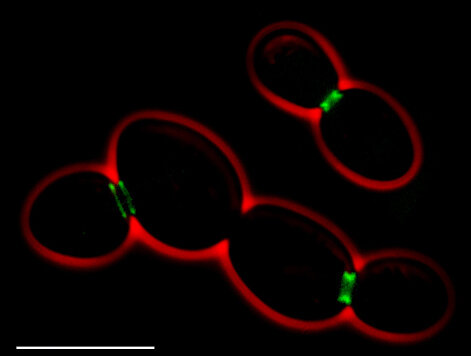
Fluorescence is also used in geology to identify minerals, in environmental science to track pollutants in water, and in forensics to find evidence at crime scenes. Its applications are vast because it provides a powerful way to detect and measure substances, even at incredibly low concentrations.
What is the fundamental process of fluorescence?
The 'Stokes shift' explains why...
This fundamental principle of absorbing and re-emitting light is the basis for powerful measurement techniques used across science.