Flowchart Fundamentals for Programmers
Introduction to Flowcharts
What is a Flowchart?
A flowchart is a visual map of a process. Think of it like a recipe for a task, but instead of listing ingredients and instructions, it uses shapes and arrows to show each step and the direction of flow from one step to the next. Its main job is to take a complex sequence of actions and make it easy to understand at a glance.
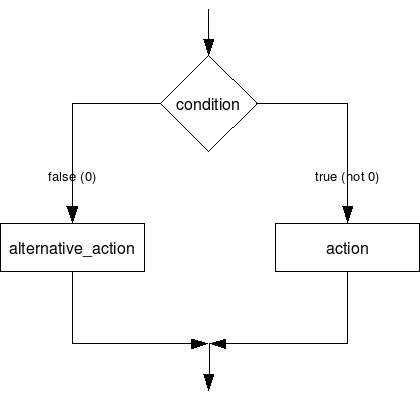
Flowchart makes it easy to understand the structure of program before coding by visualizing the flow of logic.
In programming, flowcharts are a powerful tool for planning. Before writing a single line of code, a developer can sketch out the program's logic. This helps organize thoughts and catch potential problems early. They also serve as clear documentation, helping others understand how a program works long after it's been written.
Why Bother with Flowcharts?
Drawing a flowchart might seem like an extra step, but its benefits are significant.
First, they bring clarity. By breaking down a process into visual steps, you can easily identify bottlenecks, redundancies, or missing pieces. It's much simpler to see the flow of logic in a diagram than to trace it through lines of text or code.
Second, they improve communication. Flowcharts provide a universal language that both technical and non-technical people can understand. A project manager, a client, and a programmer can all look at the same flowchart and agree on how a system should work. This shared understanding prevents misunderstandings down the line.
A flowchart serves as a blueprint for your code, guiding the development process and ensuring the logic is sound before you start building.
Finally, flowcharts are excellent for debugging. When a program isn't working correctly, a flowchart can help you trace the logical path step-by-step to find where things went wrong.
A Quick Look Back
The idea of mapping out processes isn't new. The first structured flowcharts, then called "process flow charts," were created in the 1920s by industrial engineers Frank and Lillian Gilbreth. They used them to document and improve workflows in manufacturing and clerical settings.
It wasn't until the late 1940s that flowcharts found their way into the world of computing. Herman Goldstine and John von Neumann began using them to plan computer programs. As programming became more complex, the need for a standardized visual language grew. In the 1960s, organizations like the American National Standards Institute (ANSI) established standard symbols for flowcharts, making them the universal tool for process visualization they are today.
Now that you understand what flowcharts are and why they're useful, let's test your knowledge.