Floral Fragrances in Perfumery
Introduction to Floral Perfumery
The Enduring Allure of Flowers
Before there were labs and synthetic molecules, there was the flower. For thousands of years, the essence of a bloom has been the heart of perfumery. Flowers provide a vast and nuanced palette, offering scents that can be anything from light and airy to rich and intoxicating. They are the original source of fragrance, forming the foundation of countless perfumes we know and love today.
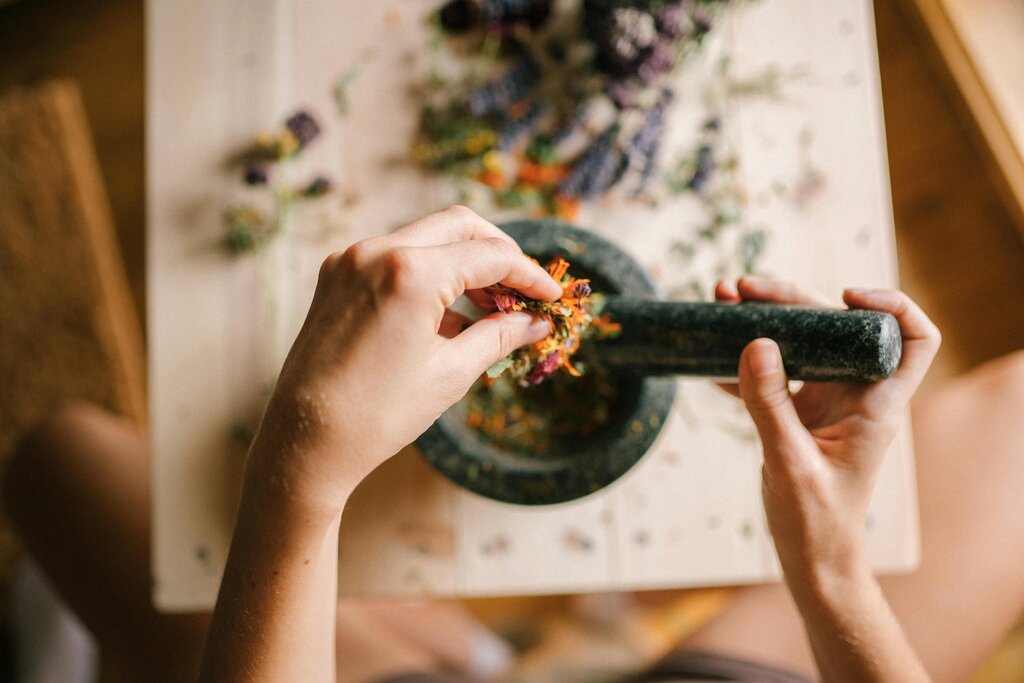
This connection isn't just a matter of chemistry; it's deeply rooted in human history and culture. The desire to capture the fleeting scent of a flower is a practice that spans the globe and stretches back to ancient civilizations.
A Scent Through Time
In ancient Egypt, flowers were more than just decoration. They were integral to religious ceremonies and daily life. Priests used floral-based unguents and incense made from blue lotus, jasmine, and lilies to honor the gods. Egyptians also wore cones of scented fat on their heads, which would melt in the heat, releasing floral perfumes throughout the day.
Across the Mediterranean, the Greeks and Romans adopted and expanded these practices. They associated specific floral scents with their gods and goddesses and used flowers lavishly in public baths, homes, and for personal adornment. In Persia, the rose became legendary, and Arabian chemists perfected the art of distillation, capturing its essence as rosewater and essential oil.
The truth? Modern fragrances are the result of thousands of years of fragrance evolution, innovation, and cultural exchange.
By the time of the Renaissance in Europe, floral perfumes were a mark of aristocracy. Perfumed gloves, made with scents like lavender and violet, were a popular accessory among the nobility in France and Italy, helping to mask less pleasant odors of the time. This period cemented the status of flowers as the cornerstone of luxury fragrance.
The Global Bouquet
The significance of floral scents also varies widely across cultures. In many parts of Asia, the delicate scents of jasmine and osmanthus are deeply woven into social customs and traditions, used in everything from tea to personal fragrance.
Today, perfumers draw from a global garden. The flowers they use are often central to the identity of a fragrance. While the list is nearly endless, a few blooms have become pillars of the industry.
| Flower | Common Association | Origin Note |
|---|---|---|
| Rose | Love and romance | Cultivated in Persia & Europe |
| Jasmine | Elegance and sensuality | Native to tropical regions |
| Tuberose | Richness and intensity | Originally from Mexico |
| Lavender | Calmness and cleanliness | From the Mediterranean |
| Ylang-Ylang | Exotic and sweet | Native to Southeast Asia |
These flowers are just a starting point. Each one contributes a unique character, and perfumers often blend them to create complex, multi-layered scents. Understanding their historical and cultural roots helps us appreciate the art behind every bottle of perfume.
In ancient Egypt, what was a common method for releasing floral perfumes throughout the day?
Which culture is credited with perfecting the art of distillation to capture the essence of roses as rosewater and essential oil?