Floor Tiling Essentials
Introduction to Floor Tiling
Why Choose Tile?
Tile floors are a classic choice for a reason. First, they are incredibly durable. A well-laid tile floor can last for decades, standing up to heavy foot traffic, spills, and pets without showing much wear and tear. This makes them perfect for busy areas like kitchens, bathrooms, and entryways.
They're also one of the most water-resistant flooring options available. Unlike wood or carpet, ceramic and porcelain tiles don't get damaged by moisture, which is why they are the go-to material for bathrooms and laundry rooms. Cleanup is simple, too. A quick sweep and a mop are usually all that's needed to keep them looking new.
Finally, tiles offer endless design possibilities. From sleek, modern porcelain to rustic natural stone, there's a tile to match any style. They come in a vast array of colors, sizes, shapes, and patterns, allowing you to create a truly custom look for your space.

A World of Tiles
When you start shopping for tiles, you'll find three main categories. Understanding the differences will help you pick the right one for your project.
Ceramic: Made from clay that's fired in a kiln, ceramic tiles are a popular and budget-friendly option. They are easy to cut and install, and come in countless colors and styles. However, they are slightly more porous and less dense than porcelain, making them better suited for areas with light to moderate traffic.
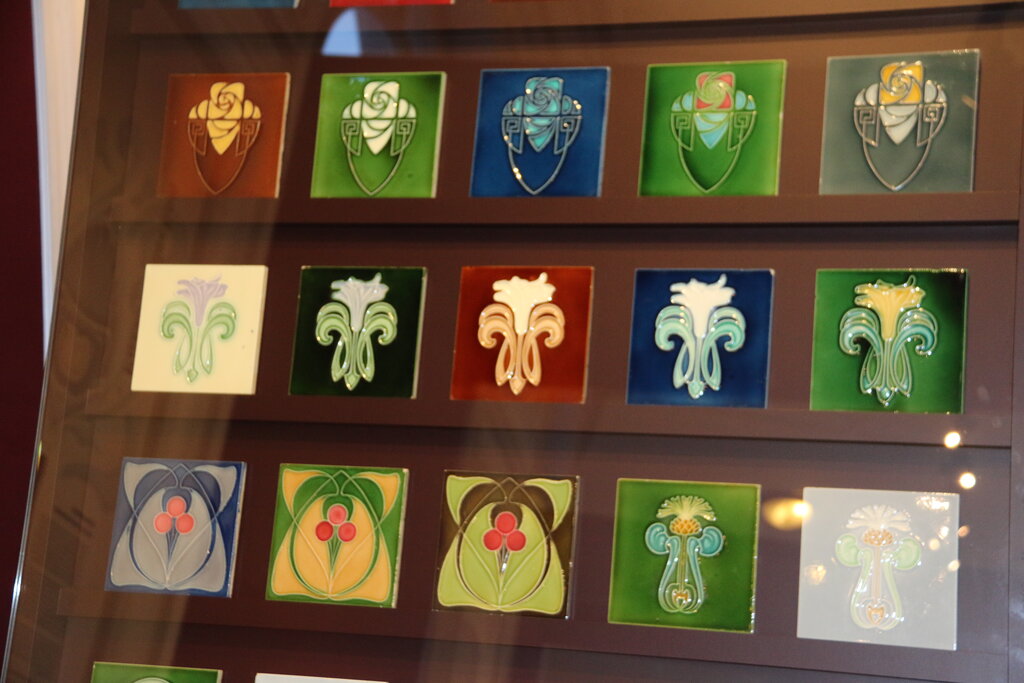
Porcelain: Think of porcelain as ceramic's tougher sibling. It's made from a more refined clay and fired at a much higher temperature. This process makes porcelain tiles denser, less porous, and extremely durable. They're an excellent choice for high-traffic areas, outdoor spaces, and anywhere moisture is a concern, like a shower floor.
Natural Stone: Tiles cut from materials like marble, granite, slate, and travertine offer a unique, high-end look because no two pieces are exactly alike. They bring natural beauty indoors but require more maintenance. Most stone is porous and must be sealed periodically to prevent stains. It can also be more expensive and prone to scratches than ceramic or porcelain.
| Type | Durability | Water Resistance | Maintenance |
|---|---|---|---|
| Ceramic | Good | Good (if glazed) | Low |
| Porcelain | Excellent | Excellent | Low |
| Natural Stone | Varies | Poor (needs sealing) | High |
Gearing Up
Before you can begin tiling, you'll need to gather the right tools and materials. Having everything on hand makes the process much smoother. For a basic installation, you'll need a few key items.
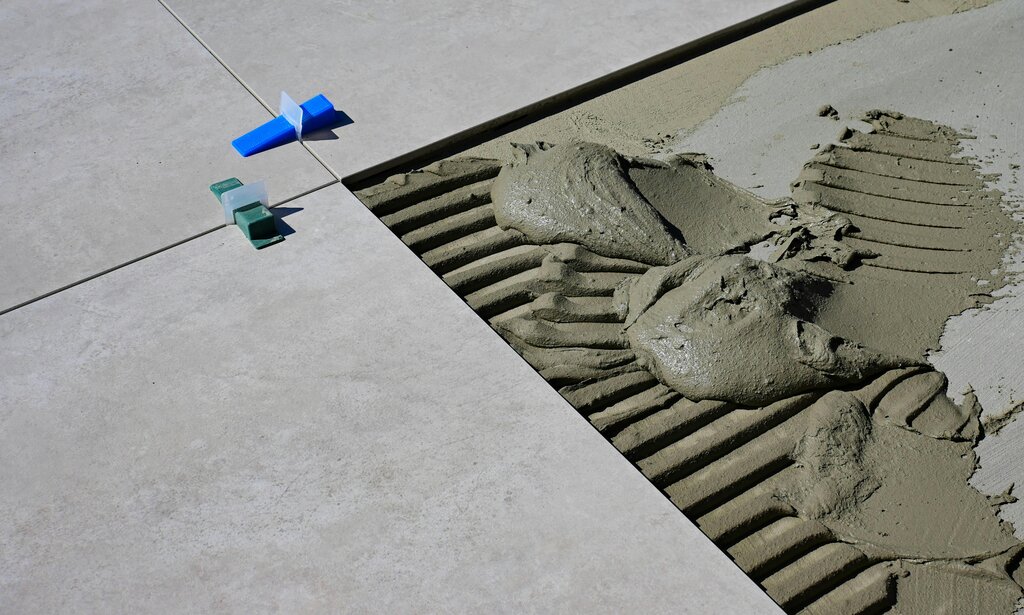
For materials, your primary needs are:
- Tiles: The star of the show.
- Thin-set Mortar: This is the adhesive that bonds the tiles to the subfloor. It comes as a powder you mix with water.
- Tile Spacers: Small plastic pieces that ensure even gaps between tiles for grout.
For tools, you'll want to have:
- Notched Trowel: Used to spread the mortar onto the floor with grooves that ensure the right amount of adhesive is applied.
- Tile Saw or Cutter: A wet saw is best for porcelain and stone, while a simple snap cutter works well for most ceramic tiles.
- Level: To make sure your tiles are laid flat and even.
- Measuring Tape: For planning your layout and making precise cuts.
- Rubber Mallet: To gently tap tiles into the mortar and ensure a solid bond.
With these basics understood, you're ready to start thinking about your own tiling project.