Flood Risk to Schools in Sindh
Introduction to Flood Hazards
What Makes a Flood?
A flood happens when water overflows onto land that is normally dry. This can occur in a few hours or over several days. In regions like Sindh, Pakistan, floods are often tied to the mighty Indus River and the annual monsoon season. When heavy rains fall, the river swells, and its banks can no longer contain the massive volume of water.
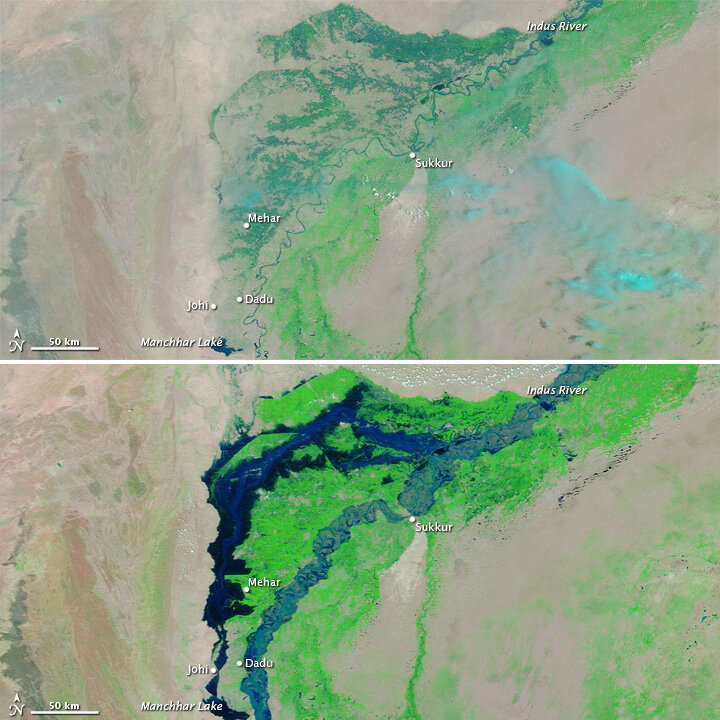
The flat, low-lying plains of the Indus River Delta are particularly vulnerable. When the river overflows here, the water spreads far and wide, covering vast areas of farmland and communities.
Types of Floods
Not all floods are the same. Understanding the different types helps explain why they happen and how they behave.
River Floods (Fluvial): This is the most common type in Sindh. It occurs when a river or stream overflows its banks. These floods are often caused by prolonged heavy rainfall or rapid snowmelt, which overwhelms the river's capacity.
Surface Floods (Pluvial): These happen when heavy rainfall creates a flood event independent of an overflowing river. It's common in urban areas where drainage systems can't cope with the volume of water, causing streets and low-lying areas to fill up like bathtubs.
Coastal Floods: Caused by storm surges from cyclones or high tides, coastal floods inundate areas along the coast. While less of a direct factor for inland Sindh, they can worsen flooding where the Indus River meets the Arabian Sea.
The Human and Environmental Cost
The impacts of flooding are devastating and far-reaching. They disrupt lives, destroy property, and damage the environment on a massive scale.
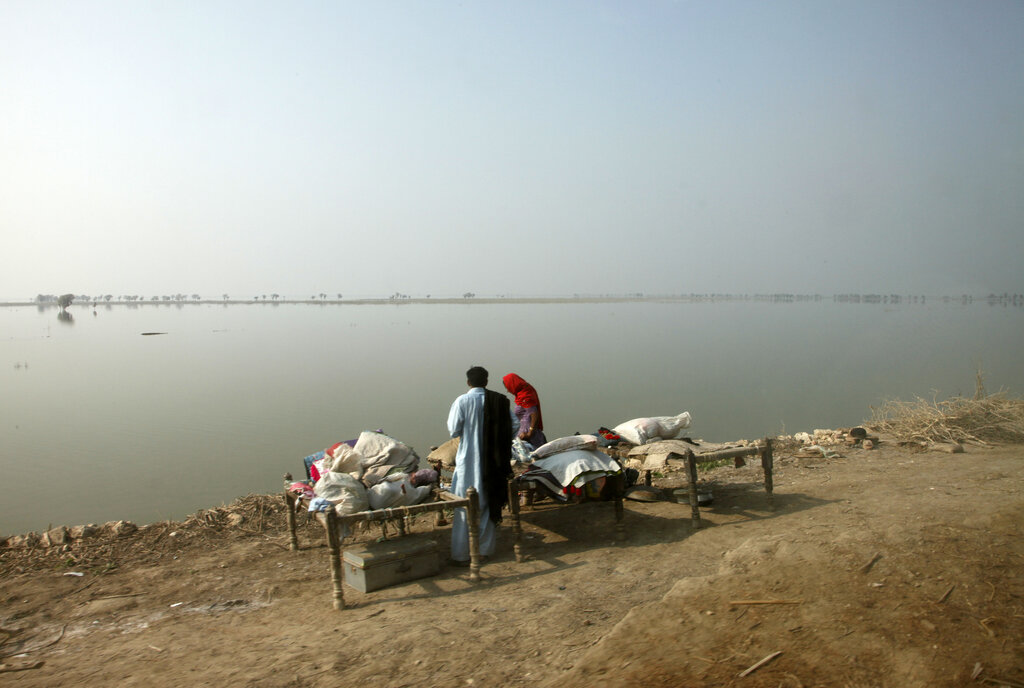
Socio-economic impacts are felt immediately. People lose their homes, possessions, and sometimes their lives. Infrastructure like roads, bridges, and power lines are washed away, isolating communities and hampering rescue efforts. Agriculture, the backbone of Sindh's economy, is hit especially hard. Crops are destroyed, livestock are lost, and fertile topsoil is washed away, threatening food security and livelihoods for years to come.
Beyond the immediate destruction, floods can lead to long-term health crises through the spread of waterborne diseases like cholera and typhoid.
The environmental consequences are just as severe. Floodwaters can become contaminated with sewage, chemicals, and other pollutants, which then seep into groundwater and damage aquatic ecosystems. Widespread soil erosion degrades the land, and the natural habitats of fish and wildlife can be completely destroyed, upsetting the ecological balance of the entire region.
The findings revealed that in the context of Pakistan, lack of governance, lack of funding and resources, and lack of flood control infrastructure are the most significant flood intensifying factors.
Understanding these fundamental causes and consequences is the first step in learning how to better prepare for and manage the immense challenge of flooding.