Flight Attendant Bike Shock Technology Explained
Introduction to Bicycle Suspension
Smoothing Out the Bumps
Bicycle suspension has two primary jobs: increasing comfort and improving control. When you ride over uneven terrain like rocks, roots, or potholes, the suspension compresses to absorb the impact. This isolates you from the jarring forces, making the ride smoother and less fatiguing.
Just as importantly, suspension helps keep your tires in contact with the ground. A wheel that's bouncing in the air has no grip, which means you can't steer, brake, or pedal effectively. By absorbing bumps and pushing the tire back onto the trail surface, a good suspension system maximizes traction, giving you more control, especially when cornering or braking on rough ground.
Think of it this way: comfort keeps you riding longer, while control keeps you riding safer.
The Main Components
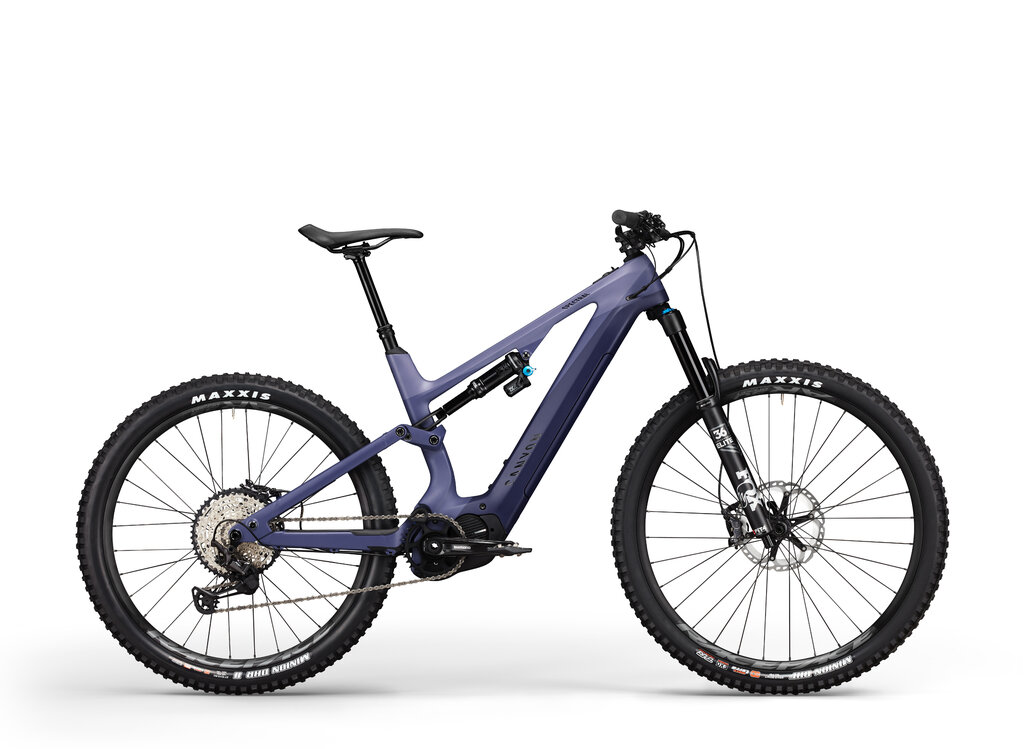
Suspension systems are found at the front and rear of a bicycle. A bike with only front suspension is called a "hardtail," while one with both front and rear is known as a "full-suspension" or "dual-suspension" bike.
Front Suspension: This is handled by the fork. The fork connects the front wheel to the frame's head tube. Inside the fork's legs are the components that allow it to compress and rebound, absorbing impacts from the front wheel.
Rear Suspension: This is a more complex system involving a frame with pivots that allow the rear wheel to move independently of the main frame. A shock absorber, often called a "shock," controls this movement. It's typically mounted between the main frame and the moving rear triangle.
The Physics of Absorption
At its core, every modern suspension unit, whether a fork or a shock, operates using two key elements: a spring and a damper.
-
The Spring handles the initial impact. When you hit a bump, the spring compresses, storing the energy from the force. Springs can be made of coiled metal (a coil spring) or compressed air (an air spring). The spring's job is simply to absorb the force.
-
The Damper controls the release of that stored energy. Without a damper, the spring would just bounce back uncontrollably, like a pogo stick. The damper uses oil flowing through carefully designed circuits to regulate the speed of the spring's movement, both as it compresses and as it extends.
The damper's behavior is split into two phases: compression and rebound.
Compression Damping: This controls the speed at which the suspension compresses when you hit a bump. It resists the spring's movement, preventing the suspension from bottoming out too easily on large impacts. Adjusting compression damping allows a rider to fine-tune how the bike reacts to hits, making it either more supple for small bumps or firmer for big drops.
Rebound Damping: This controls the speed at which the suspension extends after being compressed. This is crucial for maintaining control. If the rebound is too fast, the wheel will spring back violently, causing the bike to feel bouncy and unstable. If it's too slow, the suspension won't have time to fully extend before the next bump, causing it to "pack down" and become harsh. The goal is to set the rebound just fast enough to let the wheel follow the contours of the ground without losing contact.
Together, the spring and damper work to absorb impacts and dissipate the energy as heat within the damping oil. The balance between the spring's stiffness (known as spring rate) and the damping settings is what creates a well-behaved suspension system that provides both comfort and control.
What are the two primary functions of a bicycle suspension system?
A bicycle with suspension only in the front fork is called a ____.
Understanding these fundamental principles is the first step toward getting the most out of your bike's suspension.