Flight Attendant Bicycle Technology Explained
Introduction to Flight Attendant Bicycles
What Are Flight Attendant Bicycles?
Flight attendant bicycles are specialized vehicles designed for cabin crew to move quickly and efficiently through large airport terminals. Unlike personal or recreational bikes, these are built for utility and durability in a unique professional environment. Their primary purpose is to reduce transit time between gates, concourses, and crew facilities, which can be spread far apart in modern airports.
Think of them as professional tools, much like a mechanic's wrench or a pilot's flight bag. They are designed to solve a specific logistical problem: covering significant ground quickly and without exhaustion.
Significance in Air Travel
In a busy airport, minutes matter. A delayed crew member can have a cascading effect, potentially delaying an entire flight. By using bicycles, flight attendants can navigate sprawling terminals faster than walking, ensuring they arrive at their assigned aircraft on time, even with tight connections. This efficiency is crucial for maintaining tight airline schedules.
Furthermore, these bicycles reduce physical strain. A flight attendant might work multiple flights in a day, and walking several miles through terminals can be tiring. The bikes help conserve energy, allowing crew members to be more focused and effective in their primary role of ensuring passenger safety and comfort aboard the aircraft.
Mechanical Components
The mechanical systems of a flight attendant bicycle are chosen for reliability and low maintenance. They consist of several core parts that work together to provide movement and control.
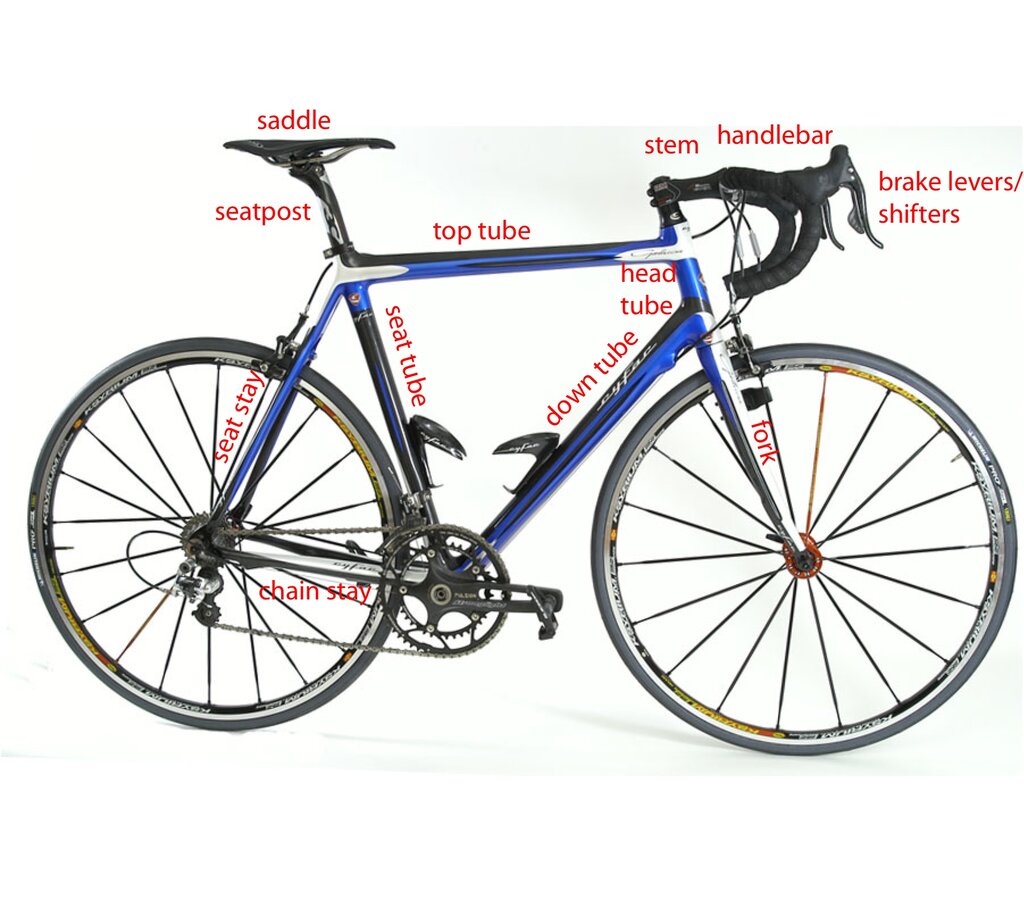
Key components include:
- Frame: Typically made from lightweight but strong aluminum to be easily handled, yet robust enough for daily use.
- Wheels & Tires: Often feature puncture-resistant tires to prevent flats, which would take a bicycle out of service and defeat its purpose.
- Brakes: Simple, reliable braking systems like coaster or V-brakes are common, ensuring safe stopping in pedestrian-heavy areas.
- Drivetrain: Many use single-speed or internally geared hubs to minimize maintenance and complexity. There's no need for a wide range of gears inside a climate-controlled airport terminal.
Electrical Systems
To further boost efficiency and reduce physical effort, most flight attendant bicycles are electric. These e-bikes are equipped with a simple electrical system that provides propulsion assistance.
The system has three main parts:
- Battery: This is the power source, typically a rechargeable lithium-ion pack. It's designed to be easily swappable so the bicycle can remain in service while a depleted battery is charged.
- Motor: Usually located in the hub of the front or rear wheel, the motor provides the actual push. It's activated by pedaling or a throttle.
- Controller: The controller is the brain of the system. It draws power from the battery and delivers it to the motor based on input from the rider, ensuring a smooth and controlled application of power.
What is the primary reason flight attendants use specialized bicycles in large airports?
Which component of an electric flight attendant bicycle is considered the 'brain' of the system, managing power flow?