Flammability Essentials
Introduction to Flammability
What Makes Something Flammable?
Some materials catch fire easily, while others don't. A piece of paper will burn with the slightest spark, but a puddle of water won't. This property—the ease with which a substance ignites and keeps burning—is called flammability.
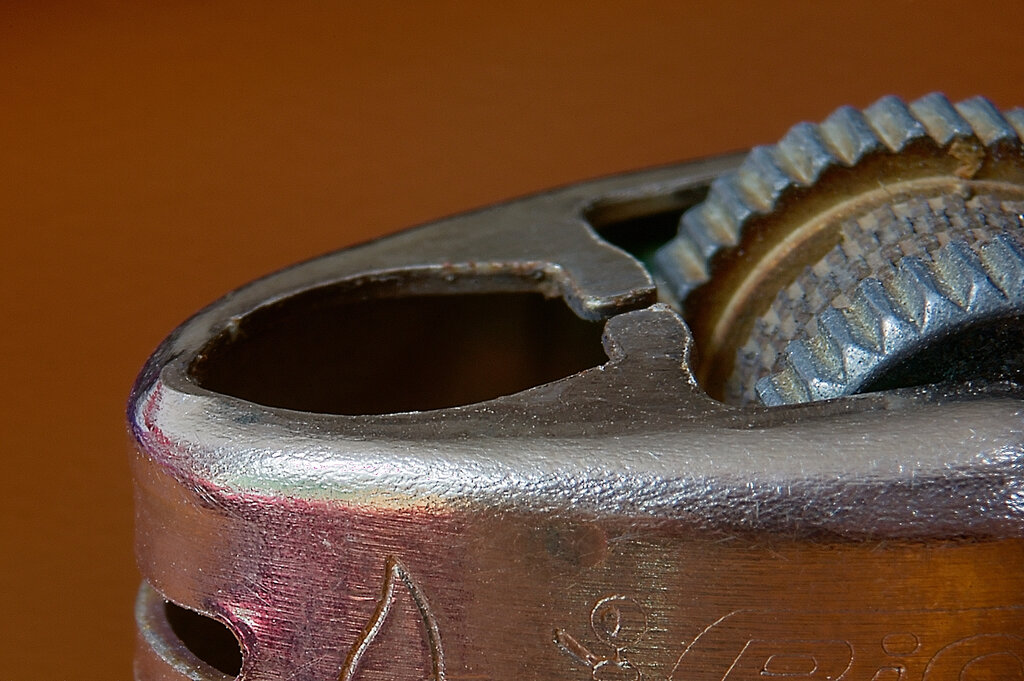
Understanding flammability isn't just for scientists. It's crucial for everyday safety. Firefighters need to know how different materials in a building will react in a fire. Engineers choose materials carefully to prevent accidents in cars and airplanes. Even in our homes, knowing what's flammable helps prevent fires. It's a fundamental concept in fire prevention, industrial safety, and even cooking.
Measuring Flammability
To talk about flammability precisely, we need specific terms. Saying something is "very flammable" isn't enough for a chemist or an engineer. They use specific measurements and concepts to describe how, when, and why a substance burns. Let's look at the most important ones.
combustion
noun
A chemical process that produces heat and light, usually by reacting a substance with an oxidant, like oxygen.
Combustion is the scientific term for burning. It's the reaction itself. When a log burns, the wood is rapidly reacting with oxygen from the air. This reaction releases the energy stored in the wood as the heat and light we call fire.
flash point
noun
The lowest temperature at which a liquid gives off enough vapor to form an ignitable mixture with the air near its surface.
Think of the flash point as the temperature where a liquid starts producing a flammable "scent" or vapor. At this temperature, the liquid isn't on fire yet, but its vapors can be ignited by an external source, like a spark or a flame. The fire will just be a brief flash unless the liquid is kept at that temperature. For example, the flash point of diesel fuel is around 52°C (126°F), while gasoline's is a frigid -43°C (-45°F). This is why you have to be so much more careful with gasoline vapors.
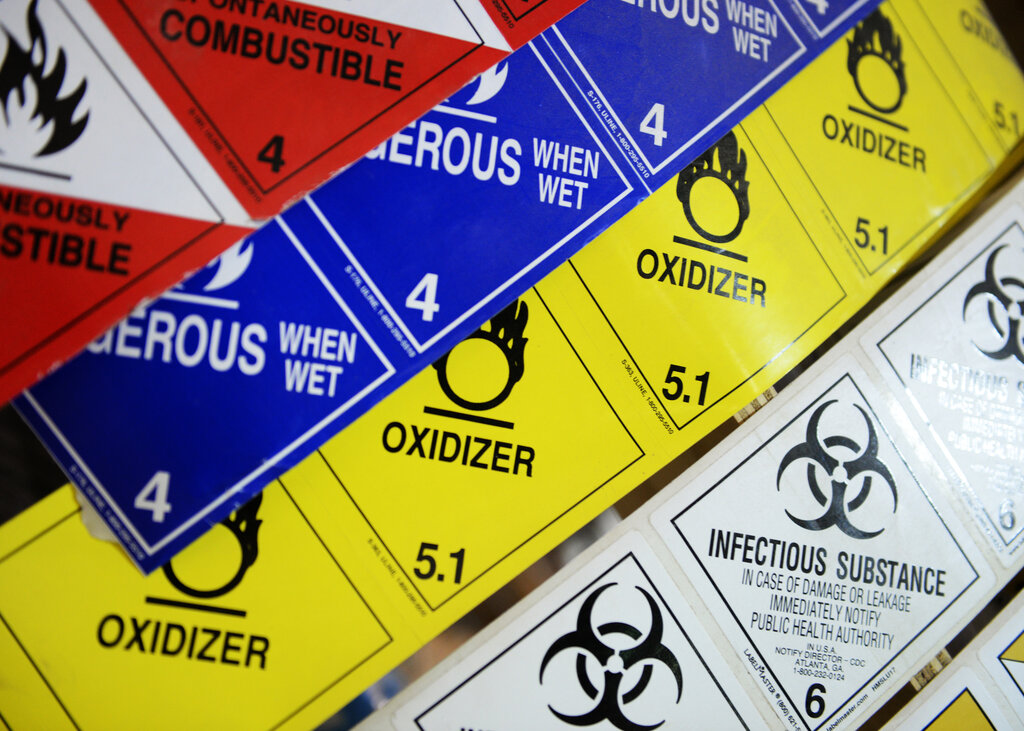
ignition temperature
noun
The minimum temperature required for a substance to spontaneously ignite in a normal atmosphere without an external spark or flame.
Also known as autoignition temperature, this is different from the flash point. No spark is needed here. If you heat a substance up to its ignition temperature, it will simply burst into flame on its own. Imagine leaving a piece of paper in an oven. If you turn the oven up high enough (to 233°C or 451°F), the paper will catch fire without you ever touching it with a match.
| Concept | What is it? | Spark Needed? |
|---|---|---|
| Flash Point | Temp where a liquid creates enough vapor to ignite. | Yes |
| Ignition Temp | Temp where a substance ignites on its own. | No |
These terms help us handle materials safely and predict how they'll behave. Now let's check your understanding.
What is the scientific term for the process of burning, which involves a rapid reaction with oxygen to release heat and light?
A technician observes that a liquid fuel produces enough vapor to be momentarily ignited by a spark at 52°C, but it does not continue to burn. This temperature is the liquid's...
Together, these concepts form the foundation of fire science, helping us control and prevent fire in all aspects of life.