Flamenco Guitar Rhythms Tango and Tanguillo
Introduction to Flamenco Rhythms
The Heartbeat of Flamenco
At the core of flamenco is its rhythm, a driving force known as compás. It’s more than just a beat; it's the cyclical rhythmic pattern that provides the music's structure and soul. Think of it as the heartbeat of the music, a steady, repeating pulse that everything else is built upon. Without a solid understanding of compás, playing flamenco is like trying to build a house without a foundation.
Compás
noun
The Spanish word for meter or time signature in music. In flamenco, it refers to the repeating rhythmic cycle that defines a particular style.
Every style of flamenco, known as a palo, has its own unique compás. There are dozens of palos, each with a distinct mood, chord progression, and rhythmic structure. Some are bright and festive, while others are deep and sorrowful. The compás is what tells you which palo you're hearing.
Think of palos as different musical stories. The compás is the underlying grammar that gives each story its form and flow.
Starting with Four
While flamenco is famous for its complex 12-beat rhythms, many essential palos are built on a more familiar foundation: the 4/4 time signature. This means there are four beats in every measure, which provides a steady, accessible pulse to start with.
Palos like Tangos, Rumbas, and Tientos all use a 4/4 compás. This rhythm is often described as a walking pace—strong and grounded. Even within this simple structure, flamenco finds incredible complexity through accentuation. The key isn't just counting to four, but feeling where the emphasis lies.
Learning more about this sound will help audiences better appreciate flamenco music, provide flamenco dancers with a better understanding of the music that accompanies them, and non Flamenco musicians some basic theory to incorporate flamenco sounds into their music.
Typically in a 4/4 compás, the accents fall on beats one and three, creating a strong ONE-two-THREE-four feel. However, flamenco often plays with this, using syncopation and counter-rhythms to create tension and excitement. The basic pulse is the canvas, and the accents are the colors.
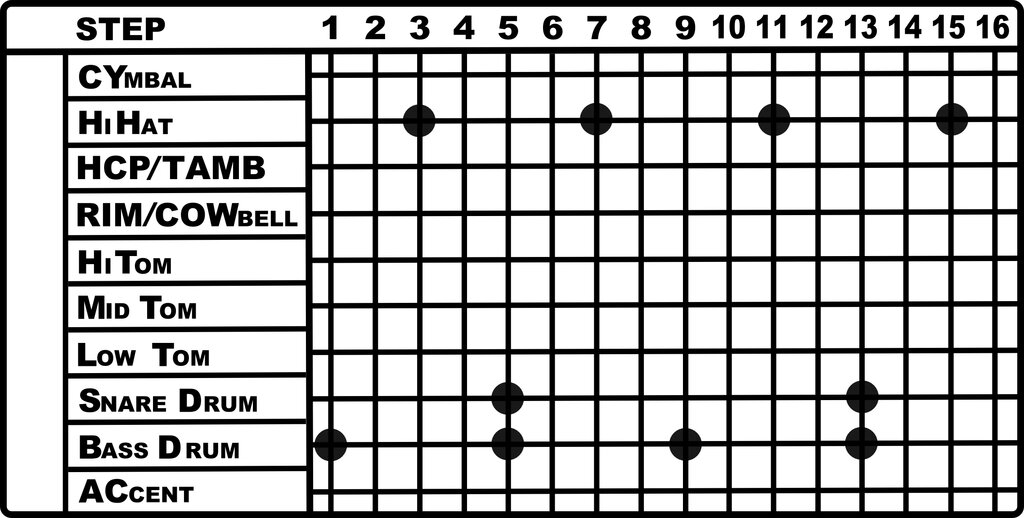
Before diving into specific strumming patterns for palos like the Tango, it's crucial to internalize this basic pulse. Try tapping your foot or clapping along to a steady beat: ONE, two, THREE, four. This simple exercise builds the internal clock you'll need to navigate the rich world of flamenco rhythms.
Ready to test your knowledge?
What is the primary role of compás in flamenco music?
A flamenco style is known as a palo. Each palo has its own unique rhythmic structure.
Understanding compás is the first and most important step. With this foundation, you're ready to explore specific palos and their unique rhythmic personalities.