Fixed Income Credit Investing Fundamentals
Introduction to Fixed Income
What is Fixed Income?
Fixed income securities are essentially loans made by an investor to a borrower. Think of it like lending money to a business or a government. In return for your loan, the borrower promises to pay you back in a predictable, or "fixed," way. You receive regular interest payments over a set period, and at the end of that period, you get your original investment back.
The most common type of fixed income security is a bond. When you buy a bond, you are lending money. The entity that sells the bond is borrowing money.
These securities form the bedrock of global financial markets, allowing governments to build infrastructure and companies to grow their operations.
Every bond has a few key characteristics you need to know:
Principal
noun
The original amount of the loan, also known as the face value or par value. This is the amount the investor gets back when the bond matures.
Coupon
noun
The interest payment made to the bondholder. It's usually expressed as an annual percentage of the principal.
Maturity
noun
The date when the loan is due to be repaid in full. At maturity, the issuer pays the principal back to the bondholder, and the bond's life ends.
The Role of Bonds
Bonds are a primary way for large organizations to raise money. They are constantly being issued by two main types of entities:
- Governments: Federal governments issue bonds (like U.S. Treasury bonds) to pay for national expenses. State and local governments issue them to fund public projects like new schools, highways, or bridges.
- Corporations: Companies issue corporate bonds to raise capital for things like building new factories, developing products, or expanding their business.
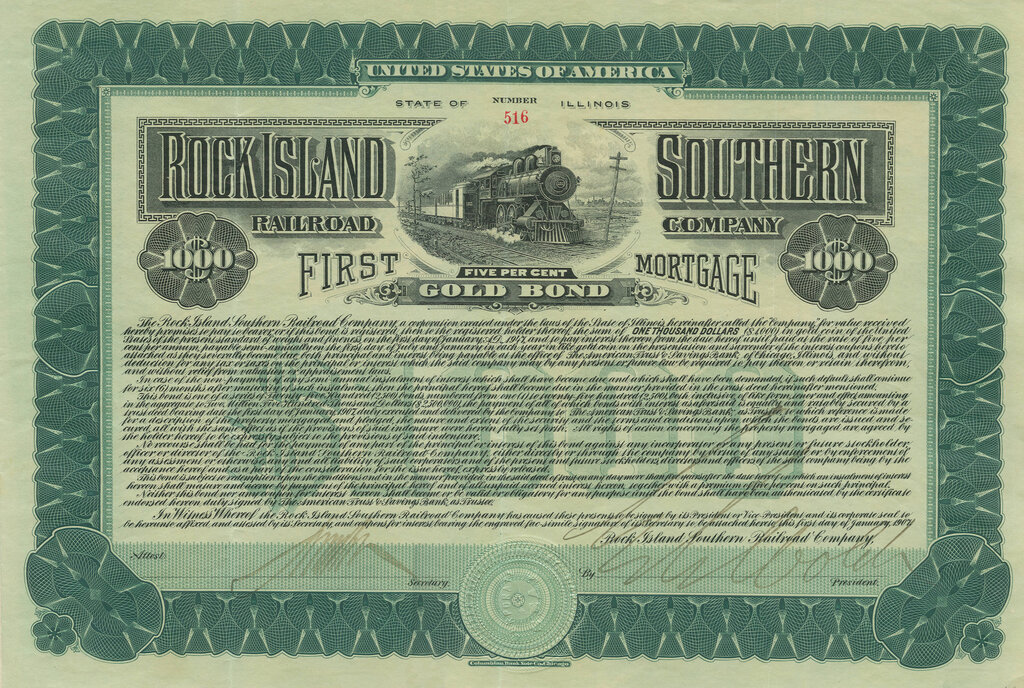
By issuing bonds, these entities can access a huge pool of capital from investors all over the world, allowing them to undertake projects far larger than they could afford with their own cash.
How Bonds are Issued and Traded
The life of a bond happens in two main stages, which take place in different markets.
First, a bond is born in the primary market. This is where the issuer, say a large corporation, sells its newly created bonds directly to investors for the first time. This sale raises the cash the corporation needs. The initial buyers are often large institutional investors like pension funds or investment banks.
After that initial sale, the bond lives on in the secondary market. Here, investors who bought the bonds can sell them to other investors. The original issuer isn't involved in these trades. The price of the bond in the secondary market can change based on factors like prevailing interest rates, the issuer's financial health, and the overall economy. This is where most bond trading occurs.
Finally, when the bond reaches its maturity date, the issuer pays the principal amount to whoever holds the bond at that time. The bond is then retired.
Why Fixed Income Matters
Fixed income securities play a crucial role for both individual investors and the economy as a whole.
BondsFixed-income securities are a key diversification tool.
For an investment portfolio, bonds offer stability and income. Because their payments are predictable, they are generally seen as less risky than stocks. This helps balance out a portfolio, especially during times of stock market volatility. The regular coupon payments also provide a steady stream of cash flow.
On a larger scale, the bond market is a vital engine of the economy. The interest rates set in the bond market, often called yields, serve as a benchmark for all kinds of other loans, from home mortgages to business credit lines. Central banks, like the U.S. Federal Reserve, buy and sell government bonds to influence interest rates and manage the country's money supply. The health and activity of the bond market can tell us a lot about what investors expect for the future of the economy.

Now, let's review the key terms we've covered.
Ready to check your understanding?
What is the fundamental nature of a fixed income security?
A large corporation issues new bonds to raise capital for a new factory. This transaction occurs in the ____________ market.
Understanding these fundamentals is the first step. You now have the basic framework for how these essential financial instruments work and why they are so important.