Fix Your Fridge Hotpoint Cooling Problems
Understanding Refrigerator Cooling Systems
How a Fridge Moves Heat
A refrigerator doesn't create cold. Instead, it moves heat from one place to another. It takes heat from inside the food compartment and dumps it into the room, leaving the inside cool. This process is a continuous loop called the refrigeration cycle.
A refrigerator’s primary function is to remove heat from its interior and release it into the surrounding environment.
The cycle relies on a special fluid called a refrigerant, which has a very low boiling point. As the refrigerant circulates through a series of coils and components, it changes between a liquid and a gas. This change of state is the key to absorbing and releasing heat.
refrigerant
noun
A substance used in a heat cycle that undergoes a phase transition from a liquid to a gas and back again to move heat.
The Four-Step Cycle
The refrigeration cycle has four main stages, each handled by a specific component. The refrigerant flows through these components in a closed loop, endlessly repeating the process.
Let's walk through each step, starting with the heart of the system.
1. Compression The journey begins at the compressor. This component is like a pump for the refrigerant. It takes in the refrigerant as a cool, low-pressure gas and squeezes it, increasing its pressure and temperature significantly. You can often hear the compressor motor kick on and off.
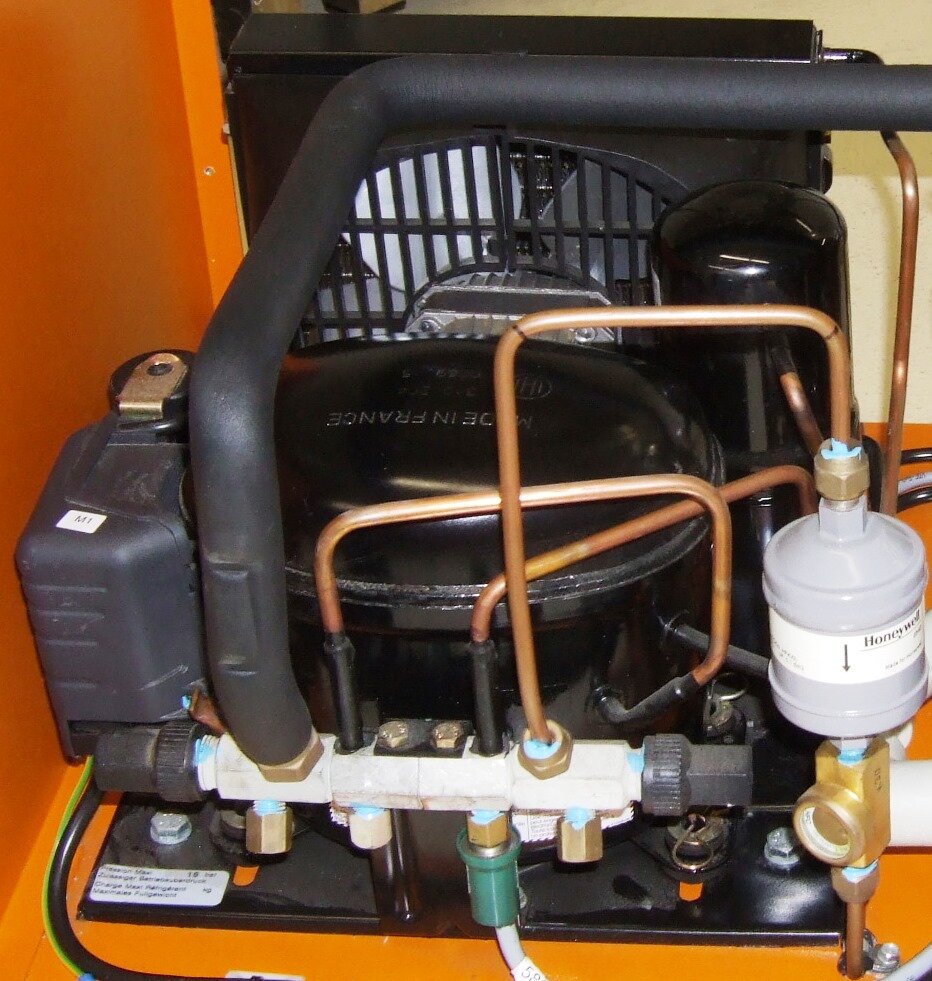
2. Condensation The now hot, high-pressure refrigerant gas flows into the condenser coils. These are typically located on the back of the fridge or along the bottom. Here, the refrigerant releases its heat into the surrounding air of your kitchen. As it cools, it condenses from a gas back into a high-pressure liquid.
This is why the back of a refrigerator often feels warm. It's the heat that was removed from inside the fridge being released into the room.
3. Expansion The high-pressure liquid refrigerant then passes through an expansion valve. This valve has a tiny opening that causes a sudden drop in pressure. This rapid depressurization makes the liquid refrigerant expand and cool down, turning it into a very cold, low-pressure mixture of liquid and vapor.
4. Evaporation This cold mist flows into the evaporator coils, which are located inside the refrigerator and freezer compartments. As the refrigerant moves through these coils, it absorbs heat from the air inside the fridge. This heat causes the liquid refrigerant to boil and turn back into a low-pressure gas, a process called evaporation. Because the heat is absorbed, the inside of the fridge gets cold.
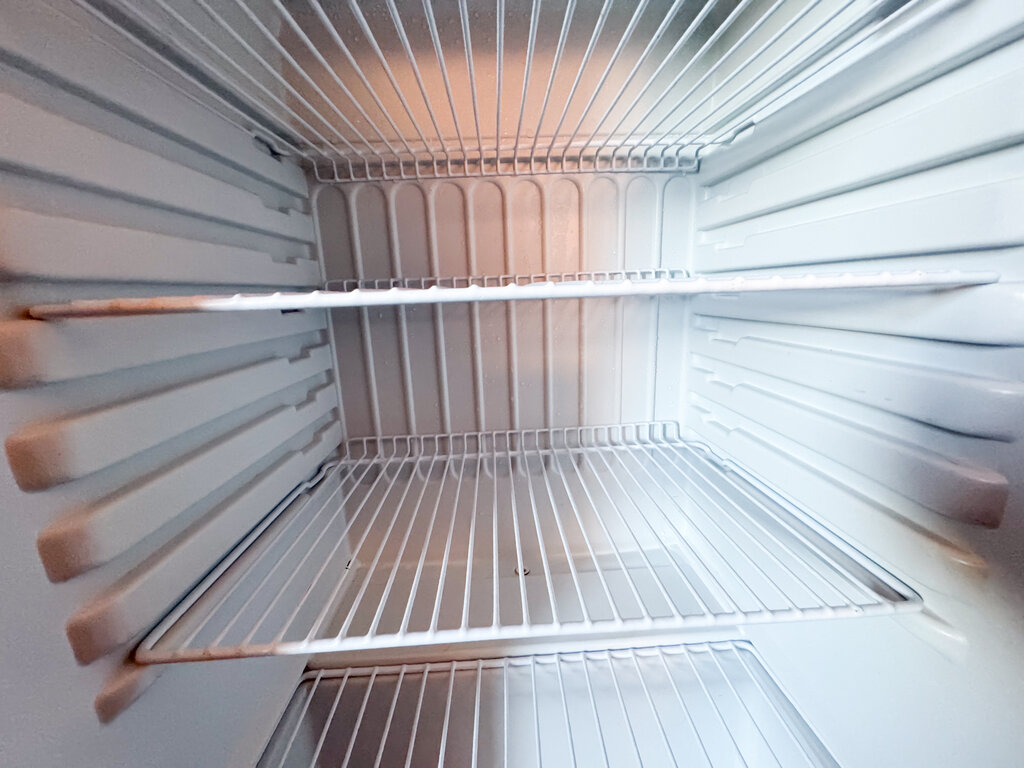
The refrigerant, now a cool, low-pressure gas carrying the heat it absorbed, flows back to the compressor, and the entire cycle starts over again.
By continuously circulating the refrigerant through this cycle, the refrigerator removes heat from inside and expels it externally, creating a cooling effect and maintaining a lower temperature inside the appliance.
Time for a quick check on these concepts.
What is the fundamental principle behind how a refrigerator cools its contents?
In which component does the refrigerant absorb heat from inside the refrigerator, causing the inside to get cold?
Understanding this cycle is the first step in figuring out what might be wrong when a refrigerator stops cooling properly.