Fiscal Control in Colombia
Introduction to Fiscal Control
What is Fiscal Control?
Think about how you manage your own money. You have an income, you pay your bills, and you try to save for the future. You keep an eye on your spending to make sure your money goes where you intend. Fiscal control is a lot like that, but on a massive scale. It’s the system governments use to manage public resources—the money they collect from taxes and other sources.
Fiscal Control
noun
The set of actions, procedures, and standards used to monitor and evaluate the financial management of public entities to ensure resources are used correctly and efficiently.
This isn't just about balancing a checkbook. It's about overseeing the entire lifecycle of public funds. From the moment a budget is created and taxes are collected, to the way money is spent on roads, schools, and healthcare, fiscal control provides the framework for responsible management. It's the essential, often invisible, process that ensures the government is a good steward of the people's money.
Why It Matters
Without fiscal control, public administration would be chaotic. It's the key to building and maintaining trust between citizens and their government. When people know there are systems in place to prevent waste, fraud, and abuse, they have more confidence that their tax dollars are being put to good use.
Strong fiscal control promotes stability. It ensures that public projects, like building a new hospital or maintaining a city's water supply, are funded and completed as planned. It helps public officials make better decisions by providing them with accurate financial information, leading to more effective public services for everyone.
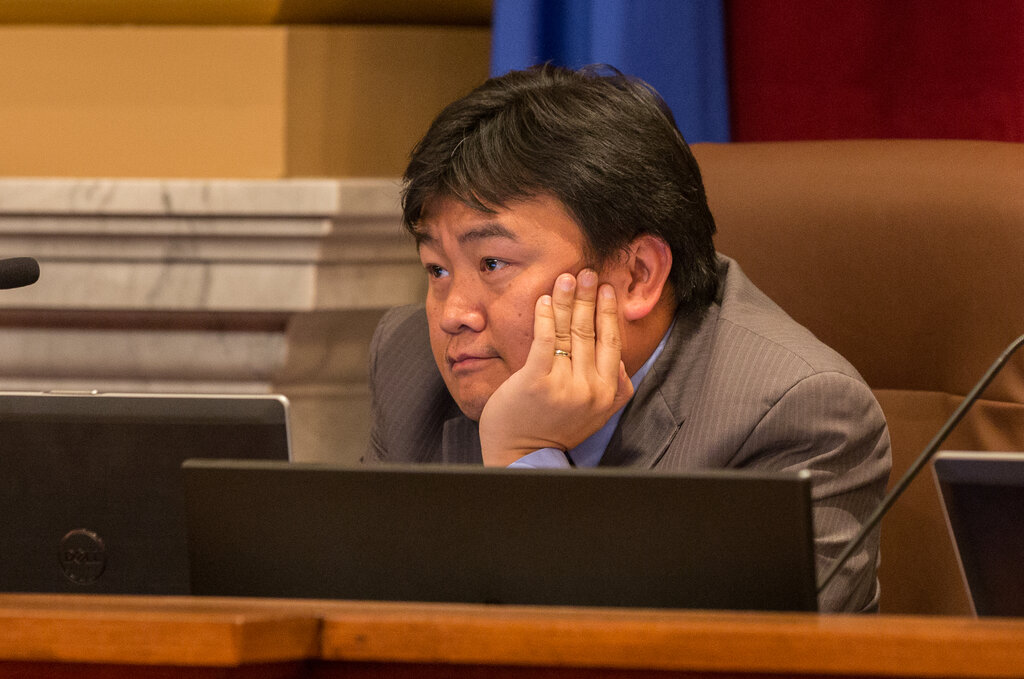
Ultimately, it's about accountability. Fiscal control creates a clear record of how public money is handled, making it possible to hold officials responsible for their financial decisions. This accountability is the bedrock of a healthy democracy.
The Main Goals
Fiscal control isn't just one single activity; it's a process guided by several key objectives. These goals work together to ensure the entire system of public finance functions properly.
The first goal is ensuring legality. Are public funds being spent according to the laws and regulations set out in the budget? This is the most basic check.
Next comes efficiency and economy. Is the government getting the best possible value for its money? This means acquiring goods and services of the right quality at the lowest possible cost.
Then there's effectiveness. Are the spending programs achieving their intended results? It's not enough to spend money legally and efficiently; the spending must also accomplish its purpose, whether that's improving education or reducing traffic congestion.
Finally, all of this must be guided by transparency. Financial information should be clear, accessible, and understandable to the public. This allows citizens, journalists, and oversight bodies to see exactly what the government is doing with its funds.
In short, fiscal control aims to ensure public money is spent legally, efficiently, effectively, and transparently.
An Overview of Control Mechanisms
To achieve these goals, governments use several types of control mechanisms. These can be thought of as different layers of oversight.
Internal Control refers to the checks and balances within a government agency itself. This includes things like requiring multiple signatures to approve a payment, separating financial duties among different employees, and conducting regular internal audits. It’s the first line of defense against errors and misconduct.
External Control is performed by an independent body that is not part of the government agency being examined. This is often a national audit office or a court of accounts. Their job is to provide an objective, impartial assessment of public finances.
Political Control is exercised by elected bodies, like a parliament or city council. They approve the budget, question ministers about spending, and analyze financial reports. This links fiscal control directly to the democratic process.
Social Control is perhaps the broadest form. It involves citizens, non-governmental organizations (NGOs), and the media. By demanding transparency, reporting on government activities, and participating in public hearings, society plays a crucial role in holding the government accountable. All these mechanisms work together to create a robust system of oversight.
Now that you understand the basic principles, let's test your knowledge.
What is the primary purpose of fiscal control in public administration?
A government agency buys new computers. The objective of ensuring the computers were high quality but purchased at the lowest possible cost relates to which principle of fiscal control?