First Transition Series Ionization Energy
Atomic Structure
Inside the Atom
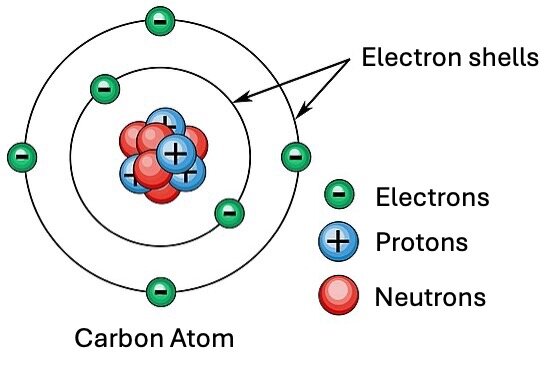
Every element, from the hydrogen in water to the carbon in your body, is made of atoms. At the center of each atom is a tiny, dense core called the nucleus.
The nucleus contains two types of particles: protons and neutrons. Protons have a positive electrical charge, while neutrons have no charge at all. The number of protons determines what element an atom is. For example, an atom with one proton is always hydrogen, and an atom with six protons is always carbon. The total number of protons is called the atom's atomic number.
proton
noun
A subatomic particle with a positive electric charge, found in the nucleus of an atom.
neutron
noun
A subatomic particle with no electric charge, found in the nucleus of an atom.
Whizzing around the nucleus are electrons. They are much smaller than protons and neutrons and have a negative electrical charge. In a neutral atom, the number of electrons is equal to the number of protons, balancing the positive and negative charges. Electrons don't orbit the nucleus like planets around the sun; instead, they exist in a region of space around the nucleus called an electron cloud.
electron
noun
A subatomic particle with a negative electric charge that moves in the space around the nucleus.
Where Electrons Live
Electrons aren't just randomly scattered in the cloud. They are organized into specific energy levels called electron shells. You can think of these shells like the floors of a building. Electrons on the first floor (the shell closest to the nucleus) have the lowest energy. Electrons on higher floors have more energy.
Each shell is identified by a principal quantum number, represented by the variable . The first shell is , the second is , and so on. The higher the number, the farther the shell is from the nucleus.
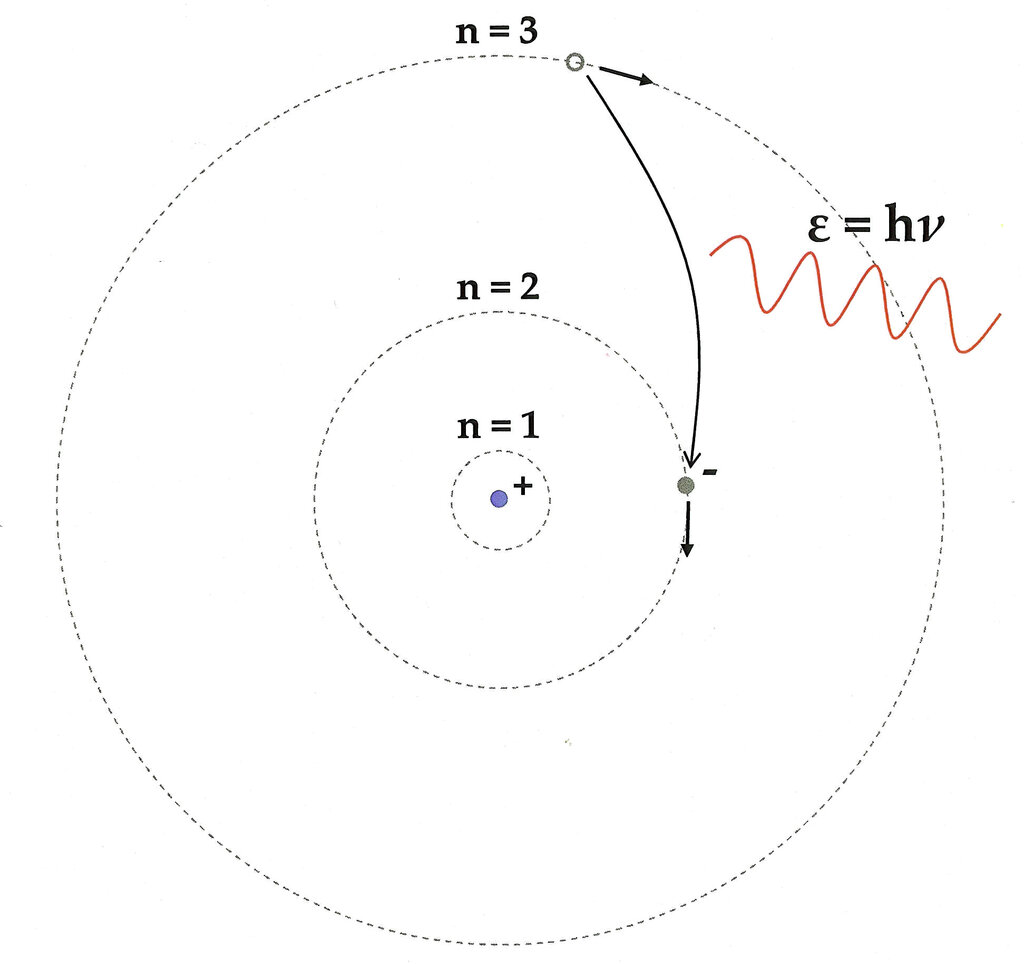
But it gets a little more detailed. Each main shell is further divided into one or more subshells, which are like different rooms on each floor. These subshells are denoted by letters: s, p, d, and f. Each type of subshell has a unique shape and can hold a specific number of electrons.
An s subshell can hold up to 2 electrons. A p subshell can hold up to 6 electrons. A d subshell can hold up to 10 electrons. An f subshell can hold up to 14 electrons.
Orbitals and Configurations
Within each subshell are orbitals. An orbital is a specific region of space where an electron is most likely to be found. Think of it as an electron's specific address. A key rule is that any single orbital can hold a maximum of two electrons.
The shapes of these orbitals are interesting. An s orbital is spherical. A p orbital is shaped like a dumbbell. The d and f orbitals have more complex shapes.
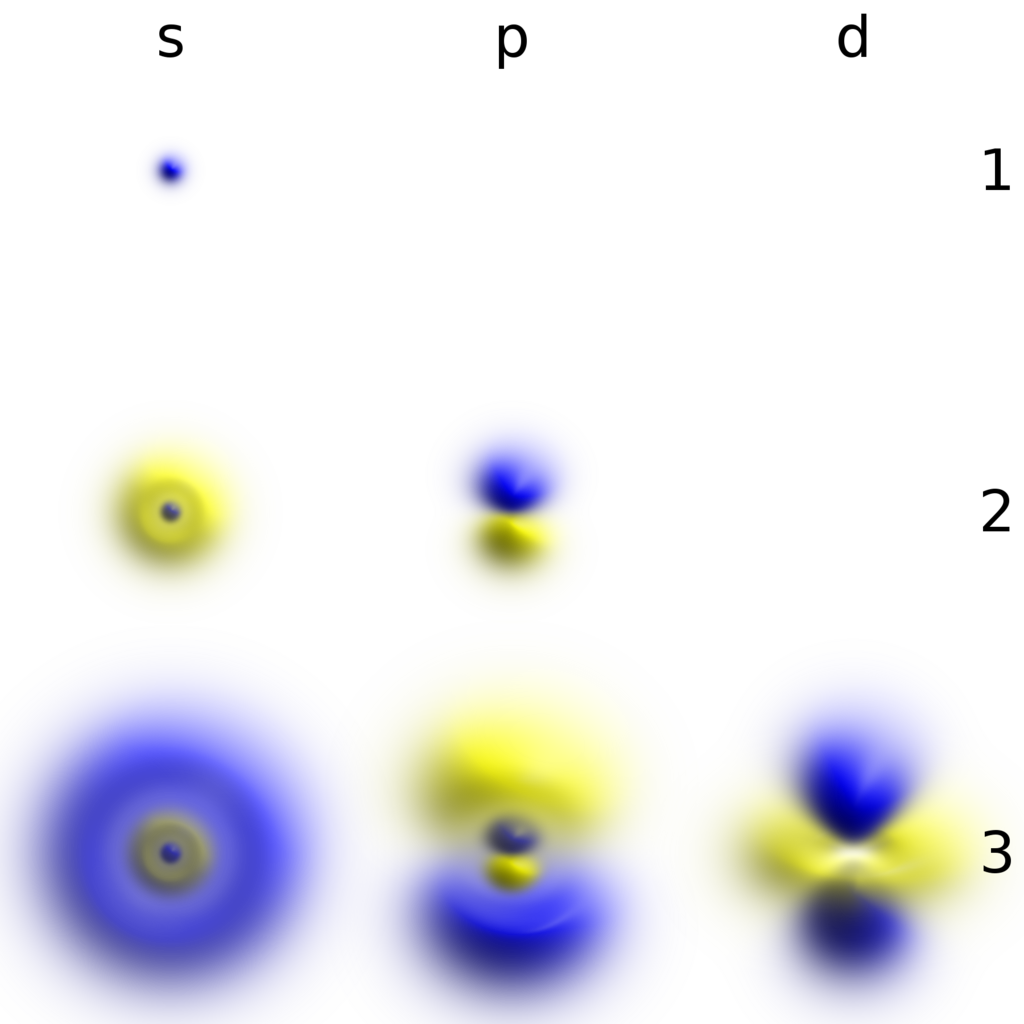
The way electrons are arranged in these shells, subshells, and orbitals is called an atom's electron configuration. This configuration is like a blueprint for the atom, and it determines how it will interact with other atoms. For example, let's look at a neutral sodium atom, which has 11 electrons.
The first 2 electrons fill the 1s orbital. The next 2 electrons fill the 2s orbital. The next 6 electrons fill the three 2p orbitals. The final electron goes into the 3s orbital.
We can write this arrangement in a shorthand called electron configuration notation.
Understanding these fundamental rules of atomic structure is the first step toward figuring out why elements behave the way they do and how they combine to form everything around us.
What fundamental property of an atom determines its identity as a specific element?
In an electrically neutral atom, the number of electrons is equal to the number of protons.