First Time Traveler to India
Understanding Indian Culture
Greetings and Good Manners
In India, greetings are more than just a simple hello. They are a sign of respect. The most common gesture you'll encounter is 'Namaste'. To do it, you bring your palms together in front of your chest, fingers pointing upwards, and give a slight bow.
The gesture is accompanied by the spoken word 'Namaste' (nah-mah-stay). It's a respectful greeting for anyone, regardless of age or status.
Namaste
interjection
A traditional Hindu greeting that translates to 'I bow to the divine in you.' It's a gesture of respect and salutation.
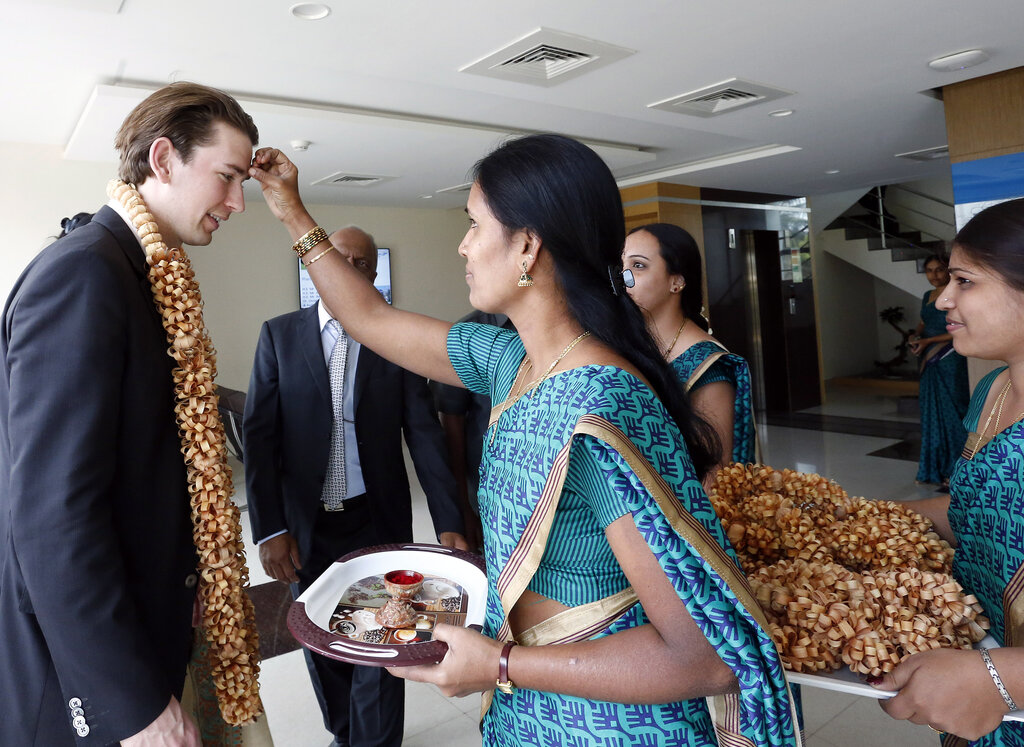
While handshakes are common, especially in business settings, a 'Namaste' is always a safe and respected option. You'll also notice other customs. For instance, it's polite to use your right hand when giving or receiving objects, as the left hand is often considered unclean. Also, removing your shoes before entering someone's home is a common sign of respect.
A Tapestry of Faiths
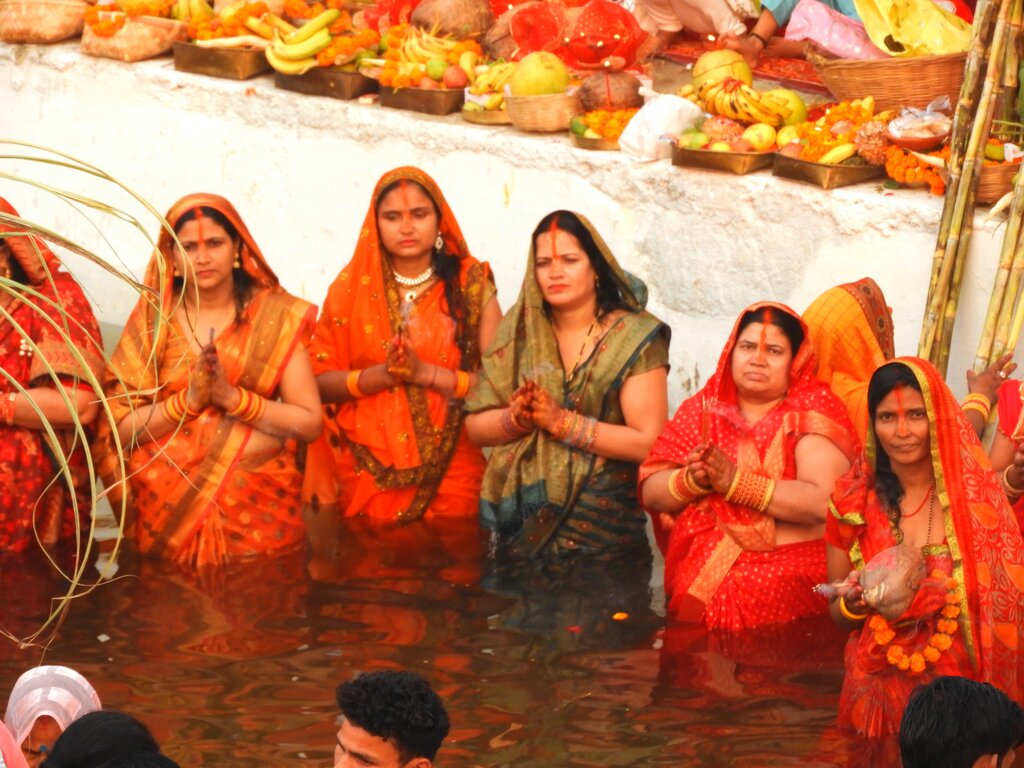
Religion is deeply woven into the fabric of daily life in India. The country is the birthplace of four major world religions: Hinduism, Buddhism, Jainism, and Sikhism. It also has a large Muslim population and a significant Christian community. This diversity is visible everywhere, from the temples, mosques, and churches that dot the landscape to the vibrant festivals that fill the calendar.
For many Indians, faith isn't just a Sunday affair. It influences food, clothing, and daily routines. You might see small shrines in homes and businesses, or hear temple bells and calls to prayer throughout the day. This constant presence of spirituality is a key part of the cultural experience.
A Symphony of Languages
India does not have a single national language. The Constitution recognizes 22 official languages, and there are hundreds of other languages and thousands of dialects spoken across the country. Hindi is the most widely spoken language, particularly in the north, and English is often used in business, government, and higher education.
Salient features of Indian Society, Diversity of India.
This linguistic diversity is a source of great pride. While you can often get by with English in major cities and tourist areas, learning a few basic phrases in the local language can make your interactions much warmer. Here are a few in Hindi:
Hello
Thank you
How are you?
The Colors of Celebration
India is a land of festivals. Celebrations are an integral part of life, marking everything from the changing seasons to religious milestones. Each festival has its own unique rituals, food, and traditions, often celebrated with immense enthusiasm.
Diwali, the festival of lights, is one of the biggest Hindu festivals, celebrated with lamps, fireworks, and sweets. Eid al-Fitr marks the end of Ramadan for Muslims and is a time of feasting and family gatherings. Holi, the festival of colors, is a joyous celebration where people playfully throw colored powders and water at each other.
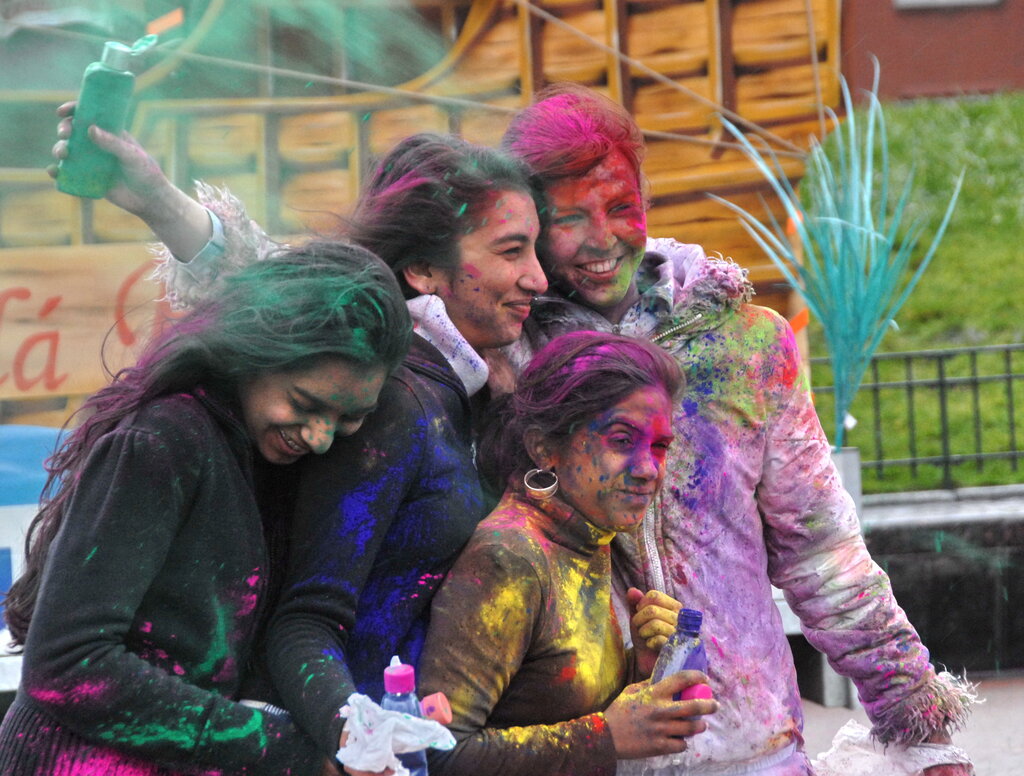
Beyond these, there are countless regional festivals, each offering a unique glimpse into the local culture. Participating in or even just observing a festival is a fantastic way to experience the vibrancy and community spirit of India.
Now, let's test your understanding of these core cultural aspects.
What is the most common traditional greeting in India, involving placing palms together in front of the chest and giving a slight bow?
When entering a person's home in India, what is a common sign of respect?
Understanding these elements of daily life—greetings, faith, language, and celebration—provides a window into the soul of India. It's a culture built on respect, deep-rooted traditions, and a remarkable capacity for embracing diversity.