First Time Fatherhood Essentials
Understanding Fatherhood
The Changing Face of Fatherhood
The idea of what a father is, and what a father does, isn't set in stone. It has changed dramatically over time. For centuries, the primary role of a father in many cultures was to be the provider and disciplinarian. He was often a distant figure, responsible for the family's financial well-being and moral guidance, but less involved in the day-to-day care of his children.
The concept of fatherhood has undergone significant transformations throughout history, shaped by a complex interplay of cultural, social, and economic factors.
The 20th century, particularly after World War II, sparked a quiet revolution in parenting. The ideal of the “new father” began to emerge—one who was more nurturing and present in his children's lives. This shift has accelerated in recent decades, moving far beyond a simple breadwinner model.
More Than Just a Provider
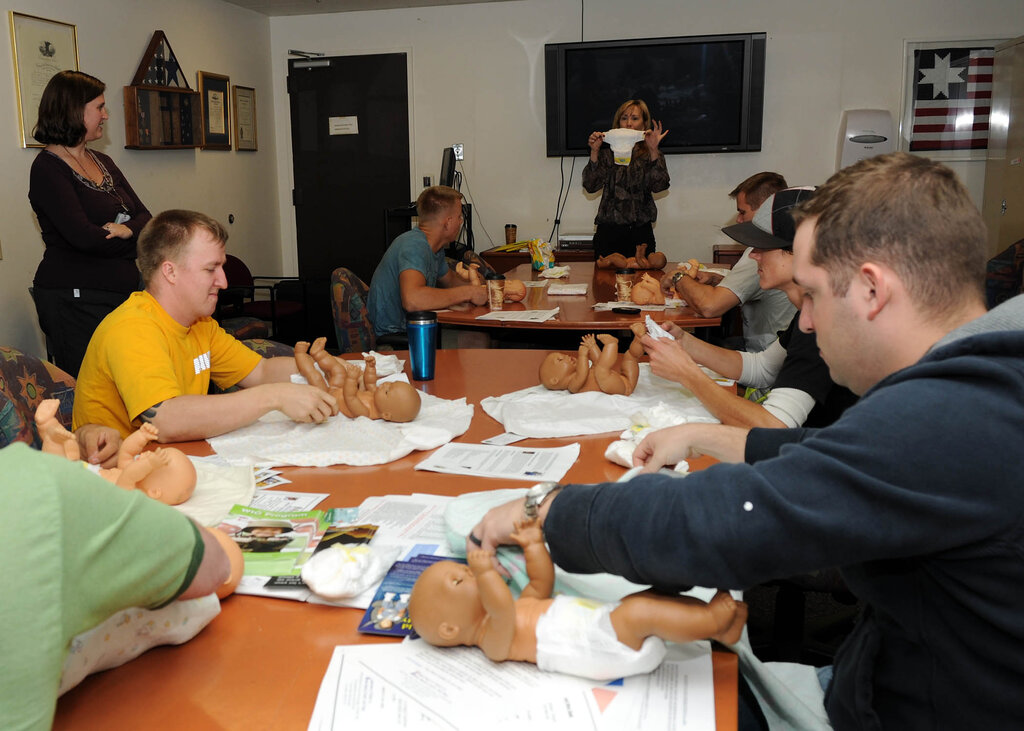
Today, the expectations placed on fathers are more complex and holistic than ever before. While providing for the family remains important for many, it's now just one piece of a much larger puzzle. Modern fatherhood embraces a hands-on approach to parenting.
Fathers are increasingly expected to be involved in caregiving, emotional labor, and domestic work, reflecting a shift towards more egalitarian family structures.
This means being present for bath time, doctor's appointments, and bedtime stories. It involves sharing household chores and actively participating in the emotional work of raising a child—soothing fears, celebrating triumphs, and offering comfort. It’s about being a full partner in the beautiful, messy, and rewarding job of parenting.
The Inner World of a New Dad
Becoming a father for the first time is a profound psychological and emotional transition. It’s a complete identity shift. A man is no longer just a partner, a son, or a professional; he is now a father, a role that reshapes his priorities, relationships, and sense of self.
This journey often involves navigating a complex web of new expectations, from both society and oneself, while balancing identities as a provider, caregiver, and role model.
Many new fathers grapple with what sociologists call “emotional bordering.” This is the delicate dance of moving between traditional masculine stoicism and the vulnerability required for intimate caregiving. It's the process of learning how to be both strong and soft, a protector and a nurturer.
Why It Matters
The shift toward more involved fatherhood isn't just a cultural trend; it has a powerful, lasting impact on children. Decades of research show that children with engaged fathers tend to have better social skills, higher self-esteem, and stronger academic performance.
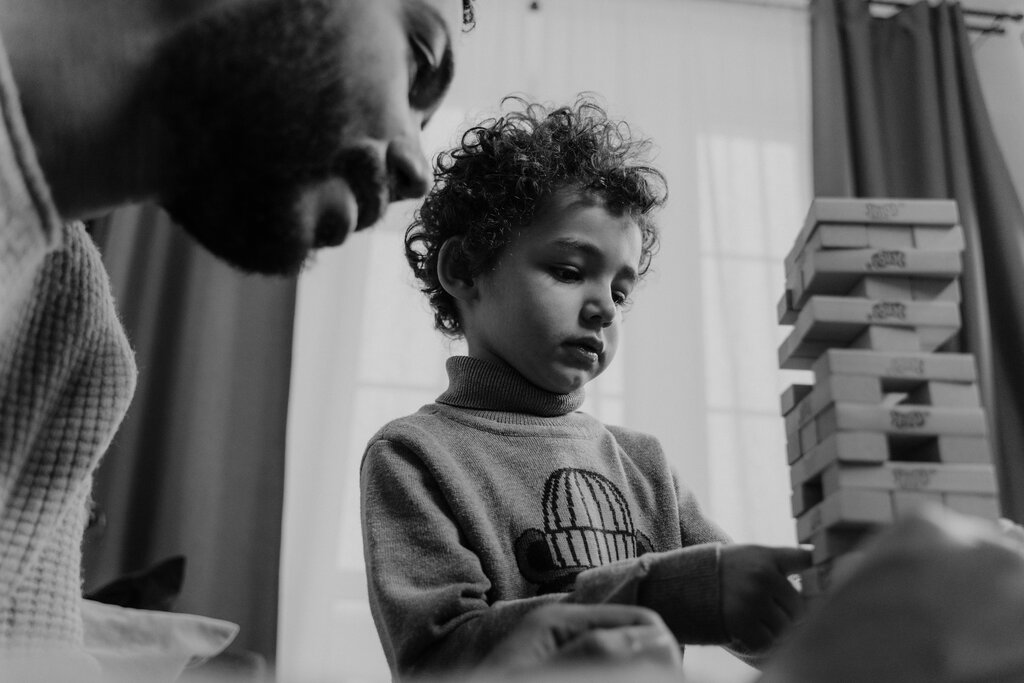
A father's active presence helps shape a child's understanding of relationships and emotional expression. When fathers are nurturing and supportive, they model healthy ways of interacting with the world. This involvement doesn't just benefit the child; it also strengthens the entire family dynamic, fostering a more connected and resilient unit.
Fathers have a direct and long-lasting impact on the socioemotional development of their children.
Understanding this deep impact is the first step in embracing the journey. The role is complex and ever-changing, but its significance is undeniable. Now, let's check your understanding of these core concepts.