First Product Design and Build
Introduction to Product Development
From Idea to Reality
Product development is the journey of bringing an idea to life. It’s a structured process that transforms a concept into a tangible product or service that people can use. Think of it as a recipe. You don't just throw ingredients into a bowl; you follow steps in a specific order to get a predictable, delicious result.
This journey follows a series of stages, often called the product development lifecycle. While the exact steps can vary, they generally follow a common path from a spark of inspiration to a finished product in the hands of customers.
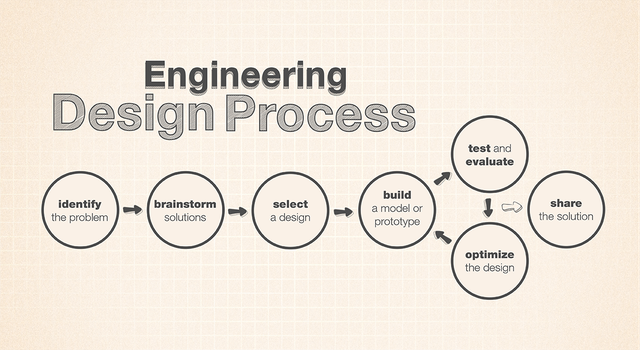
The main stages include:
- Ideation: This is the starting point where new ideas are generated. It often begins with identifying a problem that needs solving or an opportunity to make something better.
- Design: Once a promising idea is chosen, the design phase begins. This is where the team creates a blueprint for the product. They figure out what it will do, what it will look like, and how users will interact with it.
- Prototyping: A prototype is an early model of the product. It’s a chance to build a tangible version of the design, test assumptions, and see how the product might work in the real world.
- Testing: With a prototype in hand, the team can gather feedback. This stage is all about finding out what works and what doesn't before committing to a full-scale build. Does the product solve the intended problem? Is it easy to use?
- Launch: After rounds of refinement and testing, the product is ready to be released to the market. This is the official launch, but the work isn't over. The cycle often continues with gathering more feedback for future improvements.
It Takes a Team
Creating a product is rarely a solo effort. It requires a diverse team of people with different skills working together. These individuals are often called stakeholders, because they each have a stake in the product's success.
Product development is a team sport. Success depends on different specialists collaborating effectively toward a shared goal.
A typical product team includes several key roles. Product managers act as guides, defining the product's vision and goals. Designers focus on the user's experience, ensuring the product is intuitive and enjoyable to use. Engineers are the builders who write the code and construct the final product.
Beyond this core team, others like marketers, salespeople, and support staff also play crucial parts. This is why cross-functional collaboration is so important. When everyone communicates and works together, the team can build a better product faster. Each person brings a unique perspective that helps cover blind spots and create a well-rounded final product.
The User's Voice
Throughout the development process, one voice matters more than any other: the user's. A product can be beautifully designed and flawlessly engineered, but if it doesn't solve a real problem for its users, it won't succeed.
This is why gathering user feedback is not just a single step, but a continuous activity. Feedback informs every stage of the lifecycle. In the beginning, it helps validate that the idea is worth pursuing. During design and prototyping, it guides the team to make the product more intuitive. Even after launch, user feedback is critical for identifying bugs, making improvements, and dreaming up new features.
The foundation of successful product development begins with a thorough understanding of your target market and customers.
By listening to users, teams can avoid building things nobody wants. They can iterate and pivot based on real-world input, ensuring that the final product is not just functional, but also valuable and loved by the people it was made for.
Which of the following lists the product development stages in the correct order?
User feedback is only important after the product has been launched.
This structured, collaborative, and user-focused approach is what turns a simple idea into a successful product.