First Flight Mastery for Class 10
Spiritualism and Liberation
Faith and its Ironies
In G.L. Fuentes' story 'A Letter to God', we meet Lencho, a farmer whose field of ripe corn is destroyed by a hailstorm. Facing ruin, he does something remarkable: he writes a letter to God asking for 100 pesos. His faith is so absolute, so unshakable, that he sees this as a perfectly logical step. He doesn't just hope; he expects a reply.
The postmaster, moved by Lencho's profound faith, decides to answer the letter. He collects money from his employees and contributes part of his own salary. He can only gather 70 pesos, but he sends it to Lencho, signing the letter 'God'. This act of kindness sets up a powerful case of , a device where the outcome of a situation is tragically or comically different from what one would expect.
When Lencho receives the 70 pesos, he isn't grateful. He's angry. He immediately writes another letter: “God, of the money that I asked for, only seventy pesos reached me. Send me the rest... But don’t send it to me through the mail because the post office employees are a bunch of crooks.”
The irony is sharp. The very people who helped him are the ones he accuses of theft. Lencho's story is a study in contrasts: immense faith in a divine power, but a complete lack of faith in his fellow humans. His devotion is pure, but it blinds him to the kindness right in front of him. He is a character defined by a faith so strong it borders on naivety, leading him to trust an abstract concept over the tangible goodness of people.
Freedom's True Meaning
Nelson Mandela's memoir, 'Long Walk to Freedom', explores a different kind of faith: the belief in a just and equal future. For Mandela, the idea of freedom was not static; it evolved. As a boy, freedom meant simple, personal things: running in the fields, swimming in the stream, and roasting mealies under the stars. It was the freedom of an individual.
As he grew, he realised this personal freedom was an illusion. When he saw that his entire community was denied basic dignities under the system of , his hunger for his own freedom became a greater hunger for the freedom of his people. This transition, from a personal desire to a collective struggle, is the heart of his journey. True freedom, he discovered, wasn't just about being unchained yourself; it was about ensuring everyone else was free too.
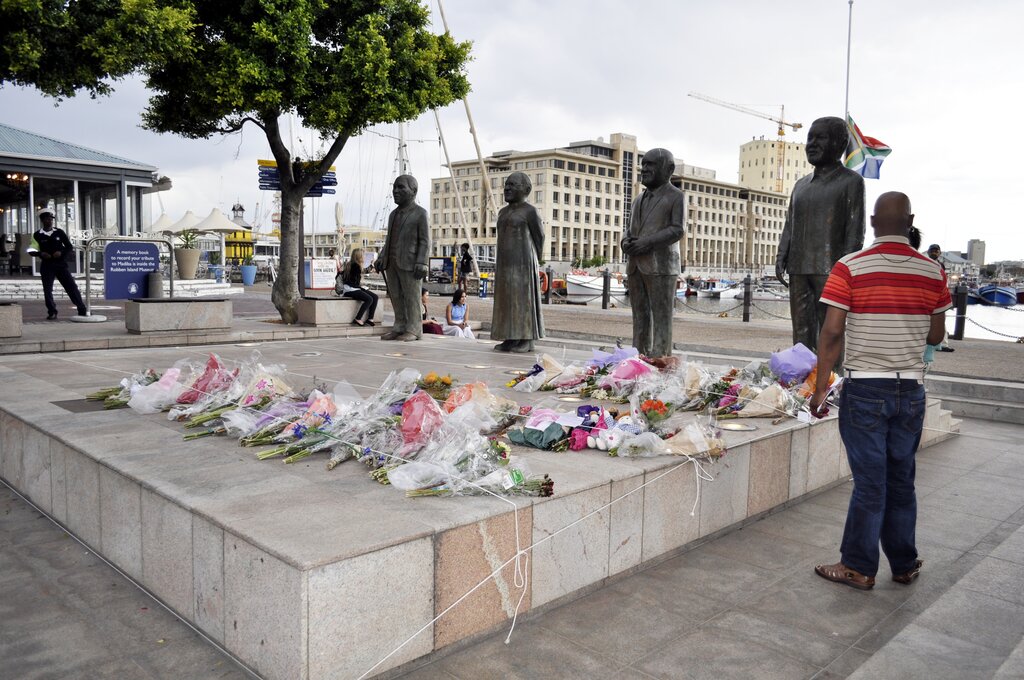
This commitment to the community led Mandela to reflect on what he calls the 'twin obligations'. Every person, he argues, has obligations to their family, parents, wife, and children. But they also have an obligation to their people, their community, and their country. In a society free from oppression, a person can balance these two duties. Under apartheid, however, fulfilling one's duty to the community often meant being torn away from one's family and home.
Mandela believes in the power to resolve conflict through negotiation and forgiveness.
Courage and a New Dawn
The struggle against such a brutal system required immense courage. But Mandela’s definition of courage is analytical and profound. He learned from his comrades that courage was not the absence of fear, but the triumph over it. The brave man is not he who does not feel afraid, but he who conquers that fear.
This understanding transforms courage from a feeling into an action. It's a choice you make despite your fear, not a quality you're born with.
The culmination of this long struggle was the inauguration ceremony, a powerful symbol of change. Dignitaries and leaders from around the world gathered on South African soil to witness the installation of the country's first democratic, non-racial government. This gathering wasn't just a political event; it was a global acknowledgment of victory over and a shared celebration of justice, peace, and human dignity. It symbolized the end of isolation and the beginning of a new era for South Africa on the world stage.
Both Lencho and Mandela operated on a form of faith. Lencho’s was a simple, personal faith in God, which ironically blinded him to human goodness. Mandela’s was a complex, evolving faith in humanity and the ideals of freedom and equality, a faith that required him to see the good in others and fight for a collective liberation.
Now, let's test your understanding of these concepts.
What is the primary irony in 'A Letter to God'?
How did Nelson Mandela's understanding of freedom evolve over time?
These two stories, though vastly different, offer powerful lessons on the nature of belief, justice, and humanity.