First 90 Days as an Individual Contributor
Understanding Company Culture
The Personality of a Company
Every company has a personality, just like a person. This is its culture. It’s the mix of shared values, beliefs, and day-to-day practices that guide how people work together. Understanding this culture is key to navigating your role and collaborating effectively. It’s not just about what a company says it is; it’s about what it’s actually like to be there.
Think of it this way: culture is the difference between an organization's official rulebook and the way things really get done.
Start with the Official Story
The first place to look is the company's stated mission and values. You can usually find these on their website, in hiring materials, or during onboarding. These statements are the company's ideal version of itself. They tell you what the leadership aims for and what they want the public and their employees to believe.
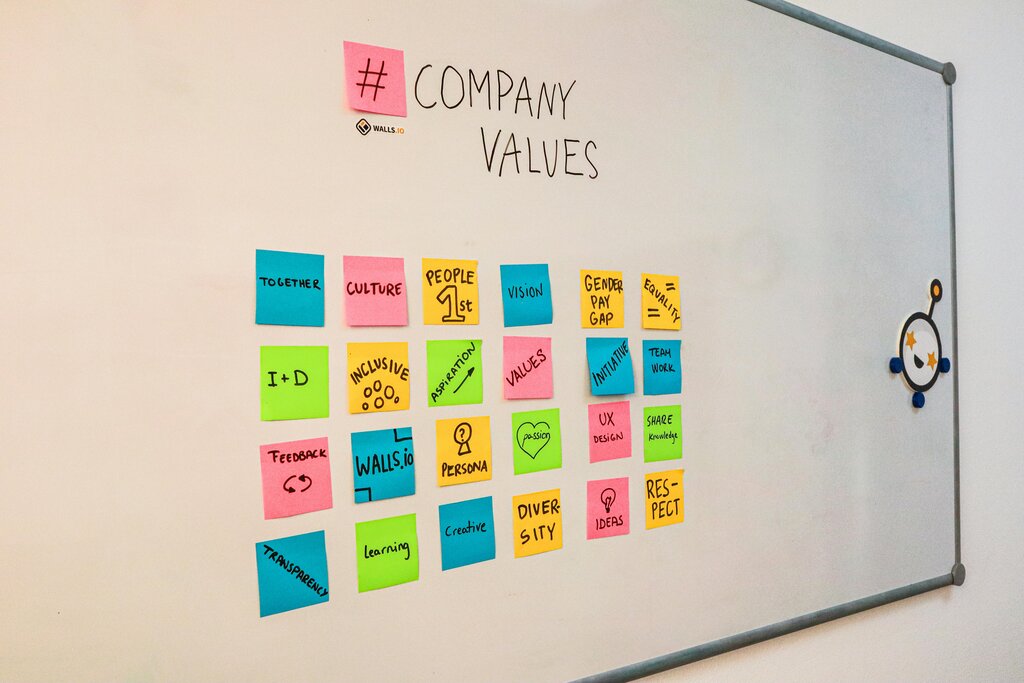
While these official values are important, they are only part of the picture. They represent the aspirational culture. Your next step is to observe the actual culture in action. This is where you’ll find the unwritten rules and norms that govern daily life.
Your company’s core values, vision, and mission are the building blocks of your culture.
How Things Really Work
To understand the real culture, pay close attention to how people communicate and how decisions are made. These two areas reveal a lot about a company's inner workings.
Start with communication. Is it formal or informal? Do people rely on scheduled meetings and detailed emails, or are quick chats and instant messages the norm? Observe if people are direct and to the point, or if they prefer a more indirect, diplomatic style. This tells you about the expected level of formality and the pace of work.
Next, look at decision-making. Are choices made from the top down, with clear direction from leadership? Or is there a strong emphasis on building consensus within the team? Notice who gets included in important conversations. Sometimes the biggest decisions are finalized long before the official meeting takes place. Figuring out this process helps you understand where power truly lies.
Find the Influencers
In any organization, influence isn't just tied to a job title. You need to identify both formal and informal influencers.
Formal influencers are the easiest to spot. They are the managers, directors, and executives listed on the organizational chart. Their authority comes from their position.
Informal influencers hold sway through respect, knowledge, and relationships. This might be the veteran engineer who knows the codebase inside and out, the office manager who knows how to get any request approved, or the person who naturally organizes social events. These people don't have official power, but they are often critical to getting things done. Knowing who they are is just as important as understanding the formal hierarchy.
By observing communication, decision-making, and the flow of influence, you can piece together a clear picture of your company’s culture. This understanding is the foundation for navigating your new role successfully.
What is the primary difference between a company's stated values and its actual culture?
You notice that major project decisions are consistently made by a small group of senior leaders with little input from team members. This suggests which type of decision-making process?