Firmware Security Essentials
Introduction to Firmware Security
The Ghost in the Machine
Every electronic device you own, from your laptop to your smart toaster, has a secret layer of software that you rarely interact with. It's not the operating system like Windows or iOS, and it's not the apps you install. This special software is called firmware.
Think of it like this: hardware is your body's bones and muscles. The operating system and applications are the conscious thoughts and skills you learn. Firmware is the set of basic instructions embedded in your brain stem that keeps your heart beating and lungs breathing without you ever thinking about it. It's the fundamental code that lets the hardware do anything at all.
Firmware
noun
A specific class of computer software that provides low-level control for a device's specific hardware.
When you turn on a computer, the firmware is the very first code that runs. It wakes up the different hardware components—the processor, memory, and storage—and tells them how to talk to each other. It then hands over control to the operating system, which loads from your hard drive. Without firmware, your computer would just be an expensive paperweight.
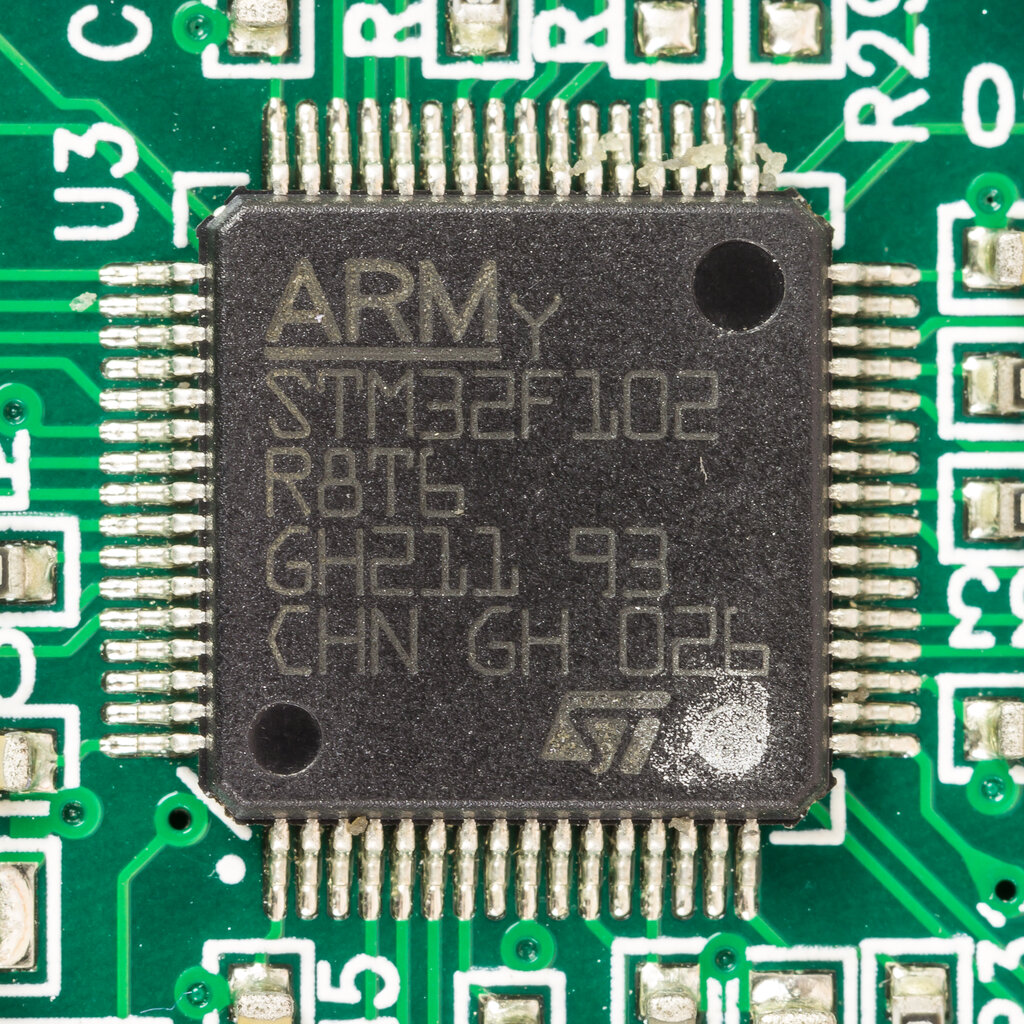
A Foundation of Trust
Because firmware operates at such a fundamental level, its security is incredibly important. Most security software, like antivirus programs, runs on top of the operating system. They assume the foundation beneath them is secure. If an attacker can compromise the firmware, they can gain control of the entire device in a way that is very difficult to detect or remove.
Imagine a building where the security guards only patrol the upper floors. If a thief can get into the basement and compromise the building's foundation, they can control everything—power, locks, elevators—without the guards ever noticing. Insecure firmware is that vulnerable basement.
Compromised firmware can be persistent. It can survive system reboots, hard drive wipes, and even a complete reinstallation of the operating system.
The risks are significant. Malicious firmware could secretly record your keystrokes, steal sensitive data before the operating system even loads, or even permanently damage the hardware, turning your device into a brick. This is why manufacturers occasionally release firmware updates—not just to add features, but to patch security holes that could be exploited.
Firmware makes up the programs that govern how your device behaves, and, like software, it can come with bugs.
Protecting firmware is the first line of defense in securing a device. It ensures that when your computer or phone starts up, it's beginning from a trusted, uncompromised state. This establishes a chain of trust that extends all the way up to the applications you use every day.