Firewall Fundamentals
Introduction to Firewalls
The Network's Security Guard
Think of a busy office building. At the front desk, a security guard checks everyone who comes in and out. They have a list of employees who are allowed inside and rules about which visitors are permitted. Anyone not on the list or who seems suspicious is turned away. The guard's job is to protect the people and property inside from outside threats.
A firewall does the same job for a computer network. It's a digital security guard that stands between your internal network—like your home Wi-Fi or your company's office network—and the outside world, which is usually the internet.
A firewall is a network security system that monitors and controls incoming and outgoing network traffic based on predetermined security rules.
It establishes a barrier between a trusted network (inside) and an untrusted network (outside). This barrier is crucial because the internet is full of potential threats, from hackers trying to steal data to malicious software looking for a way in. Without a firewall, your computer or network is wide open to attack.
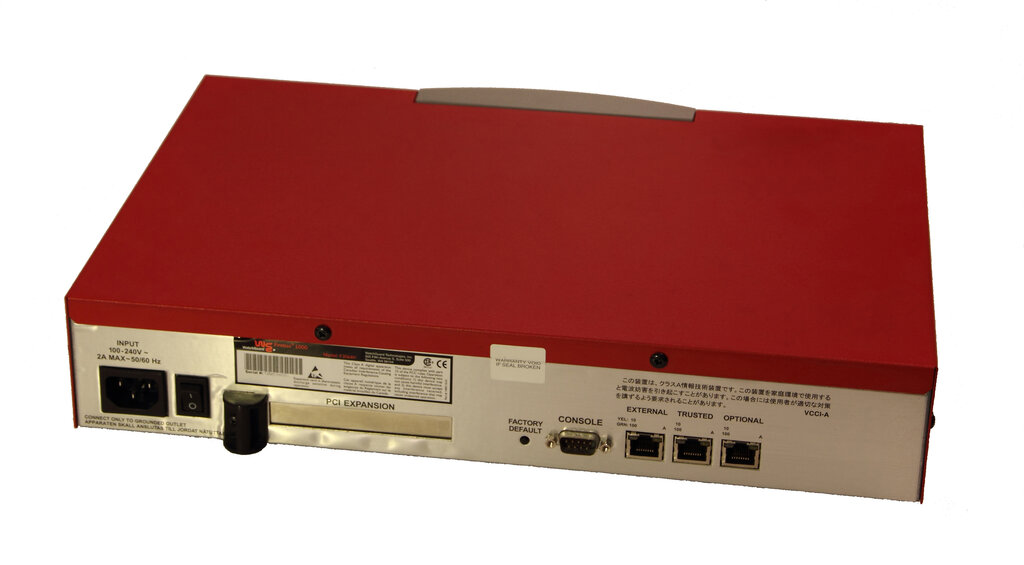
Firewalls can be physical hardware devices, like a specialized router, or they can be software programs running on a computer. Most modern operating systems, like Windows and macOS, come with a basic software firewall built-in.
How It Decides
So how does a firewall decide what to let through and what to block? It all comes down to a set of rules, much like the security guard's list. These rules are configured by a network administrator.
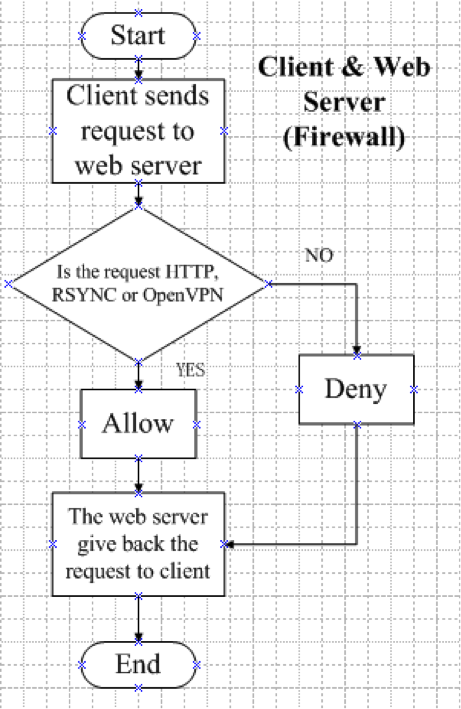
When a piece of data, called a packet, tries to enter or leave your network, the firewall intercepts it. It examines the packet's information, such as its source, its destination, and the type of traffic it is. Then, it compares this information against its rule set.
If the packet matches a rule that allows it, it's permitted to pass. If it matches a rule that blocks it, or if it doesn't match any of the 'allow' rules, it's dropped. The connection is denied.
For example, a simple rule might be to allow all web traffic (the kind you use to browse websites) but to block traffic from a list of known malicious internet addresses. This filtering process happens incredibly fast for every single packet moving through the network connection.
An Essential Layer of Defense
The primary job of a firewall is to prevent unauthorized access to your private network. By filtering out potentially harmful traffic, firewalls serve as the first line of defense against many common cyber threats. They help protect your computers and data from viruses, worms, and attackers who scan the internet for unprotected systems to exploit.
By controlling both incoming and outgoing traffic, a firewall ensures that your devices can communicate with the internet safely while keeping intruders out. It's a fundamental and essential component of modern cybersecurity, providing a critical layer of protection for everything from a single home computer to the massive networks of global corporations.
What is the primary role of a firewall in a computer network?
How does a firewall decide which data packets to allow or block?