Firearm Lubrication Essentials
Introduction to Firearm Maintenance
Why Bother With Maintenance?
A firearm is a precision machine. Like any machine, from a car engine to a wristwatch, it requires regular care to work correctly and safely. Every time a firearm is shot, the process leaves behind residue. Carbon, lead, and copper fouling from the ammunition builds up inside the barrel and action. Over time, this buildup can cause serious problems.
Cleaning prevents malfunctions and ensures that the gun stays in top working condition for as long as possible.
Think of maintenance as a fundamental part of responsible ownership. It’s not just about keeping the firearm looking good; it's about ensuring it functions reliably every single time you need it. This process isn't complicated, but it is essential.
The Basic Parts
While firearms come in countless shapes and sizes, they all share a few basic groups of components. Understanding these parts helps you understand what you're cleaning and why.
| Part Group | Function |
|---|---|
| Action | The 'engine' of the firearm. It loads, fires, and ejects the cartridge. This includes parts like the bolt, trigger, and hammer. |
| Barrel | The tube that the bullet travels down. Its internal condition directly affects accuracy. |
| Frame/Stock | The body of the firearm. It houses the action and provides a way for the user to hold and aim the weapon. |
Each of these areas collects residue and needs attention. The action has many moving parts that must be clean to move freely. The inside of the barrel, known as the bore, needs to be clear of fouling to maintain accuracy.
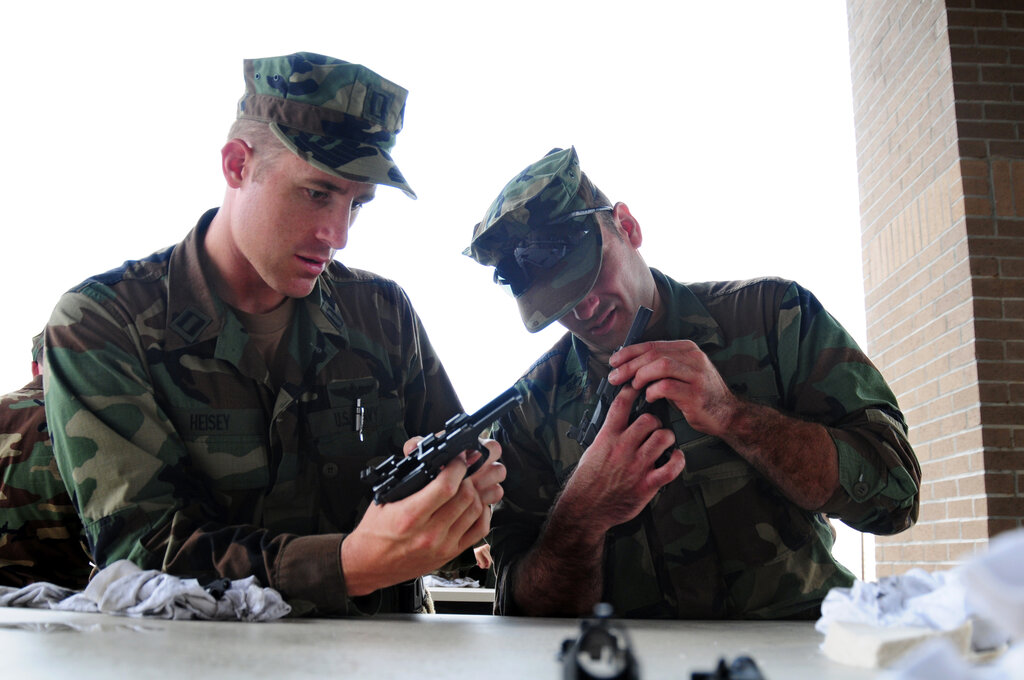
The Cost of Neglect
Skipping maintenance can lead to a host of issues, ranging from minor annoyances to critical failures. A dirty firearm is an unreliable one.
Fouling and dirt in the action can prevent it from cycling properly. This can cause failures to feed a new round, failures to fire, or failures to eject a spent casing. In a self-defense or hunting scenario, these malfunctions can have serious consequences.
Neglect also impacts accuracy. As residue builds up in the barrel, it can interfere with the bullet's spin, causing shots to become inconsistent. A firearm that can't hit its target is of little use. Furthermore, moisture and corrosive residue can lead to rust and pitting, which permanently damages the metal and can render the firearm unsafe to use.
Common problems from poor maintenance include jamming, reduced accuracy, and rust formation.
Cleaning and Lubrication
The two pillars of firearm maintenance are cleaning and lubrication. They go hand-in-hand.
Cleaning is the process of removing all the fouling, dirt, and old lubricant from the firearm's components. This is typically done with specialized solvents, brushes, and patches. The goal is to return the metal surfaces to a clean state.
Lubrication is the application of a thin layer of gun oil or grease to key moving parts, primarily within the action. This serves two main purposes. First, it reduces friction, allowing the components to move smoothly against each other. Second, it creates a protective barrier against moisture, preventing rust and corrosion.
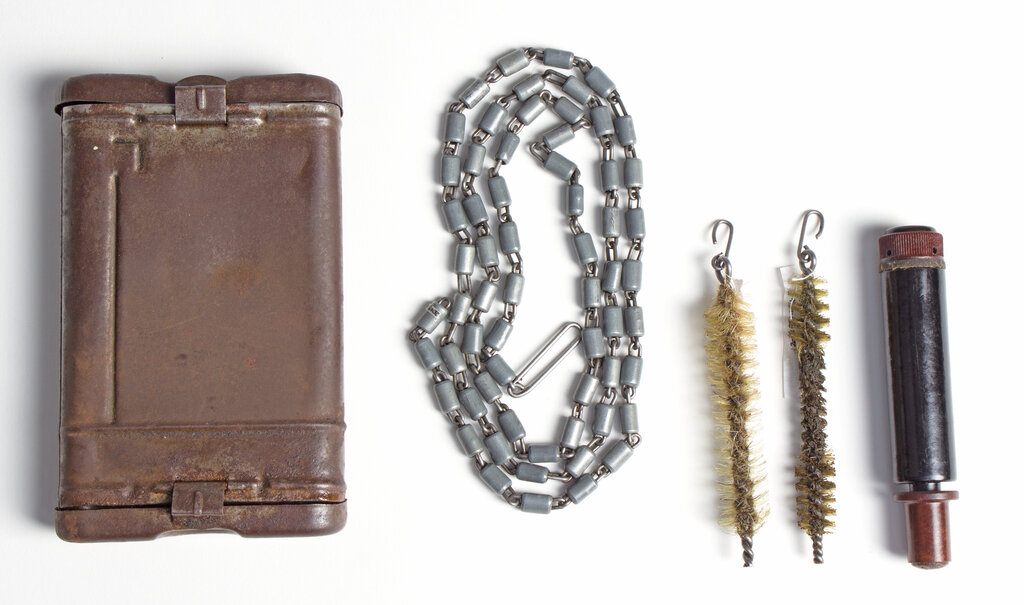
Proper maintenance is a straightforward discipline. By regularly cleaning and lubricating your firearm, you ensure its reliability, preserve its accuracy, and extend its service life for years to come.
What is the primary reason for regularly cleaning and lubricating a firearm?
The buildup of residue from ammunition, such as carbon, lead, and copper, is known as ______.