Firearm Component Deep Dive
Firearm Basics
The Core Components
At first glance, firearms can seem incredibly complex. The many small parts in technical drawings can be overwhelming. However, almost every firearm is built around three fundamental components: the receiver, the barrel, and the trigger mechanism. Understanding these core parts provides a solid foundation for identifying everything else.
The Receiver
Think of the receiver as the chassis of a car or the foundation of a house. It's the central frame that holds all the other major parts together. The barrel, stock, and trigger mechanism all attach to it. Because it's the core component, the receiver is typically what is legally considered the firearm itself. It's the part that bears the serial number.
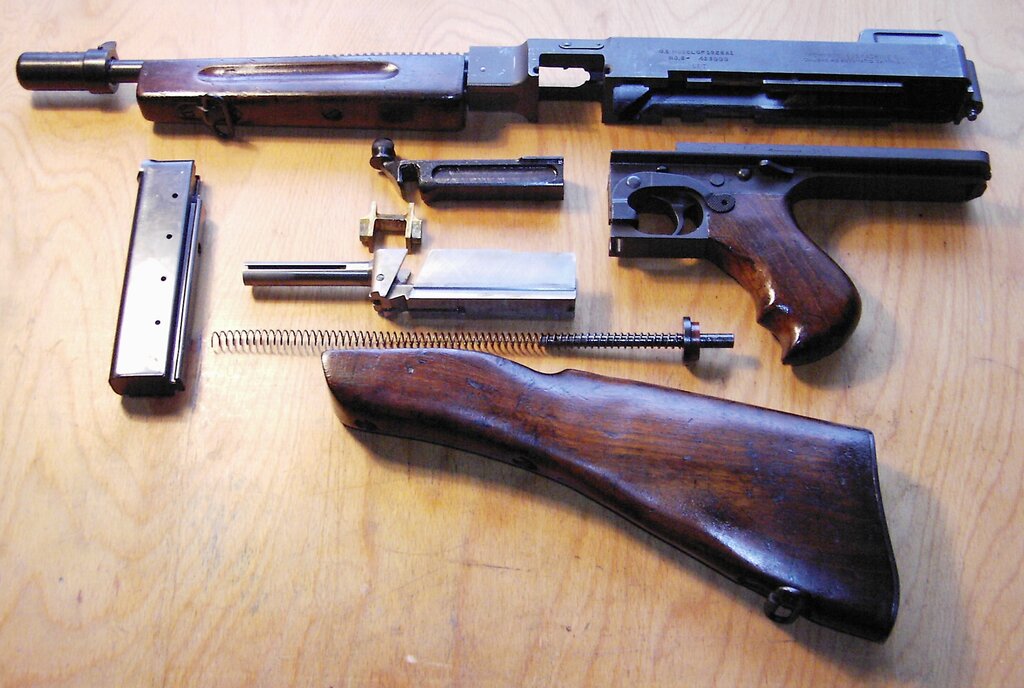
Made from steel, aluminum, or polymer, the receiver is designed to withstand the pressure and force of firing. It houses the internal parts that load, fire, and eject the cartridge, forming a strong, secure hub for the entire system.
The Barrel
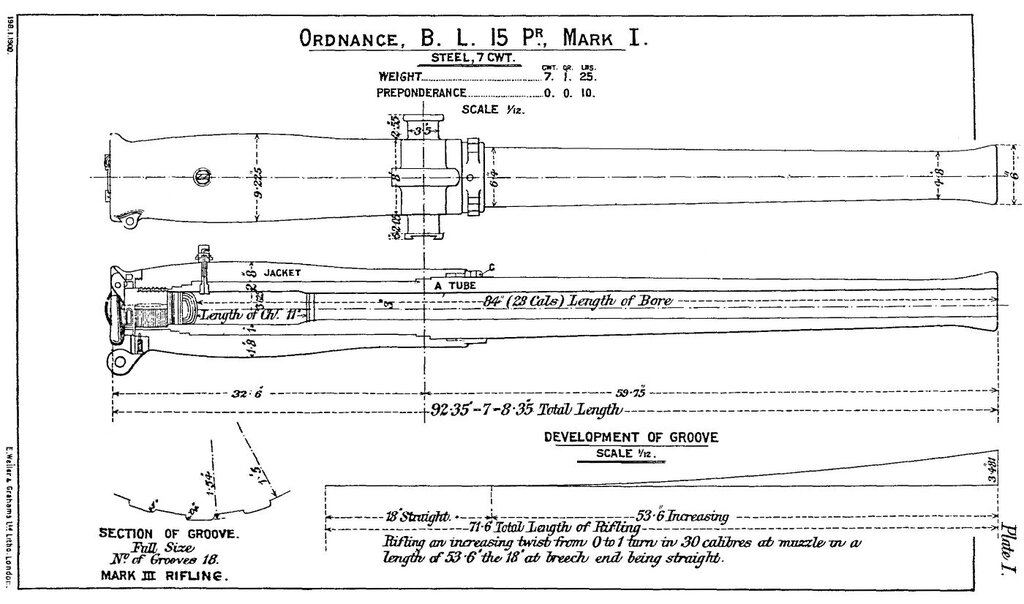
The barrel is a strong metal tube that the bullet travels through when the firearm is fired. Its primary job is to direct the bullet accurately toward the target. The length, thickness, and internal features of the barrel all affect the firearm's performance.
One of the most important features inside most modern barrels is rifling. These are spiral grooves cut into the inner surface. As the bullet is forced down the barrel, the rifling makes it spin. This spin acts like a gyroscope, stabilizing the bullet in flight and dramatically improving its accuracy and range.
The Trigger Mechanism
The trigger mechanism, often called the action, is the group of parts that initiates the firing sequence. While it includes the trigger that the user pulls, it's a much more complex system. This mechanism contains the components that strike the cartridge's primer, causing the propellant to ignite.
All ammunition has four components: the cartridge, (usually brass) the primer, the propellant, (or powder) and the projectile.
The key parts within the trigger mechanism are the hammer or striker, the sear (which holds the hammer/striker back until the trigger is pulled), and various springs. When the trigger is pulled, it releases the sear, which in turn frees the spring-loaded hammer or striker to hit the primer.
These three groups—receiver, barrel, and trigger mechanism—form the essence of any firearm. When you look at an exploded drawing, you can start by identifying these main parts and then see how the smaller components relate to them.
Which part of a firearm is legally considered the firearm itself and bears the serial number?
What is the primary purpose of the rifling inside a barrel?