Fire Sprinkler System Installation Mastery
Sprinkler System Basics
The First Line of Defense
Fire sprinkler systems are the silent guardians of our buildings. Their job is simple but critical: to control or extinguish fires in their early stages. By automatically spraying water onto a fire, they protect lives and prevent catastrophic property damage. They are, in essence, an automated firefighting force on permanent standby.
The idea isn't new. The first automatic sprinkler system was patented in 1872 by Philip W. Pratt. However, it was Henry S. Parmelee who improved the design in 1874 and installed it in his piano factory, creating the first commercially successful system.
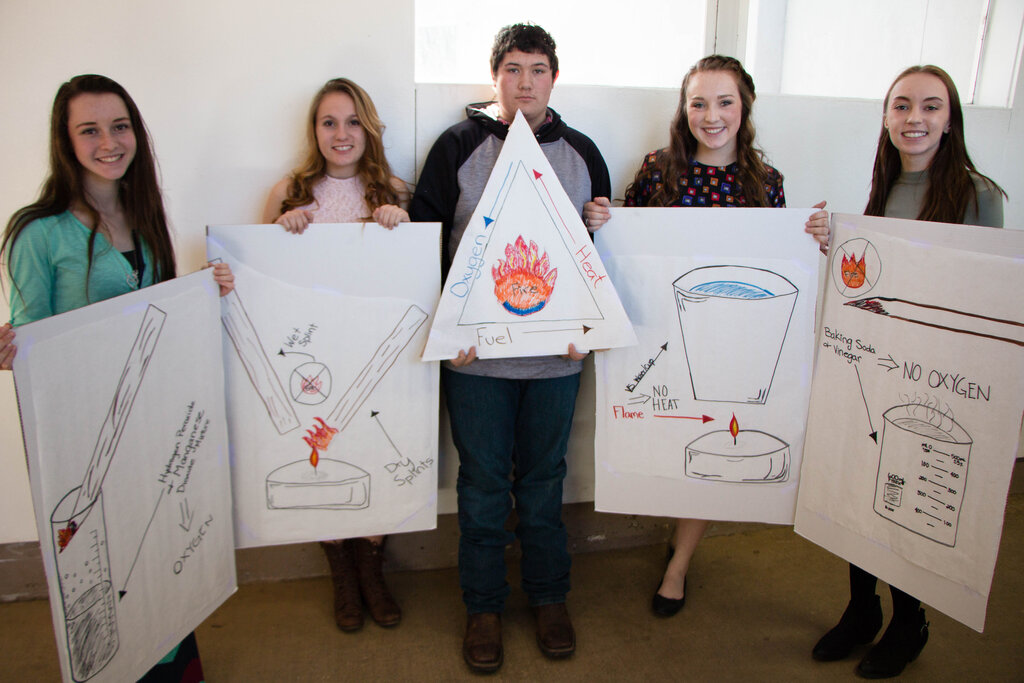
The basic principle behind fire suppression is breaking the fire triangle. A fire needs three things to burn: heat, fuel, and oxygen. Sprinklers primarily attack the "heat" side of the triangle. By spraying water directly onto the fire, they cool the burning material to a point where it can no longer sustain combustion.
Four Systems, Four Scenarios
Not all buildings have the same needs, so there are different types of sprinkler systems. The choice depends on the building's temperature, contents, and specific fire risks.
The four main types are: wet pipe, dry pipe, pre-action, and deluge systems.
A Wet Pipe System is the most common. The pipes are always filled with water. When a fire's heat activates a sprinkler head, water immediately sprays out. Because of their simplicity and rapid response, they're used in most office buildings, retail stores, and homes where there's no risk of the pipes freezing.
A Dry Pipe System is designed for spaces where temperatures could drop below freezing, like unheated warehouses or parking garages. The pipes are filled with pressurized air or nitrogen, not water. When a sprinkler head is activated, the air pressure drops, which opens a valve (called a dry pipe valve) and allows water to flow into the pipes and out of the open sprinkler.
A Pre-Action System is a hybrid that offers extra protection against accidental water damage. It requires two separate events to occur before water is released. First, a fire detection system (like a smoke or heat detector) must activate. This opens a pre-action valve, allowing water to fill the pipes. However, the water won't spray until the heat from the fire also activates a specific sprinkler head. These systems are ideal for areas with sensitive equipment or irreplaceable items, such as data centers, libraries, and museums.
A Deluge System is for high-hazard areas where a fire could spread rapidly, like in aircraft hangars or chemical plants. In this system, all the sprinkler heads are always open. The pipes are dry, similar to a pre-action system. When a fire detection system activates, it opens the main deluge valve, and water rushes through the pipes and discharges from all sprinkler heads simultaneously, flooding the entire protected area.
| System Type | How it Works | Common Applications |
|---|---|---|
| Wet Pipe | Pipes are always filled with water. | Offices, homes, heated warehouses |
| Dry Pipe | Pipes filled with pressurized air; water held back. | Unheated spaces, parking garages |
| Pre-Action | Two steps: detector activates, then head activates. | Data centers, museums, libraries |
| Deluge | All heads open; water released everywhere at once. | High-hazard areas, chemical plants |
Anatomy of a Sprinkler System
Regardless of the type, all sprinkler systems share a few key components that work together to detect and control a fire.
Sprinkler Head
noun
The component that discharges water over the fire. Each head is an individual, heat-activated nozzle.
Contrary to what movies show, sprinkler heads are not activated by smoke. They are triggered by high heat. Most modern heads contain a small, liquid-filled glass bulb. When the air around the sprinkler head reaches a specific temperature (usually between 135°F and 175°F), the liquid expands and shatters the glass bulb. This releases a plug, allowing water to spray out.
Piping is the network of pipes that transports water from the source to the sprinkler heads. It's like the plumbing system of a building, but dedicated solely to fire protection.
Valves are critical for controlling the water flow. A main control valve allows the entire system to be shut off for maintenance or repairs. Check valves ensure water only flows in one direction, preventing it from draining back out of the system.
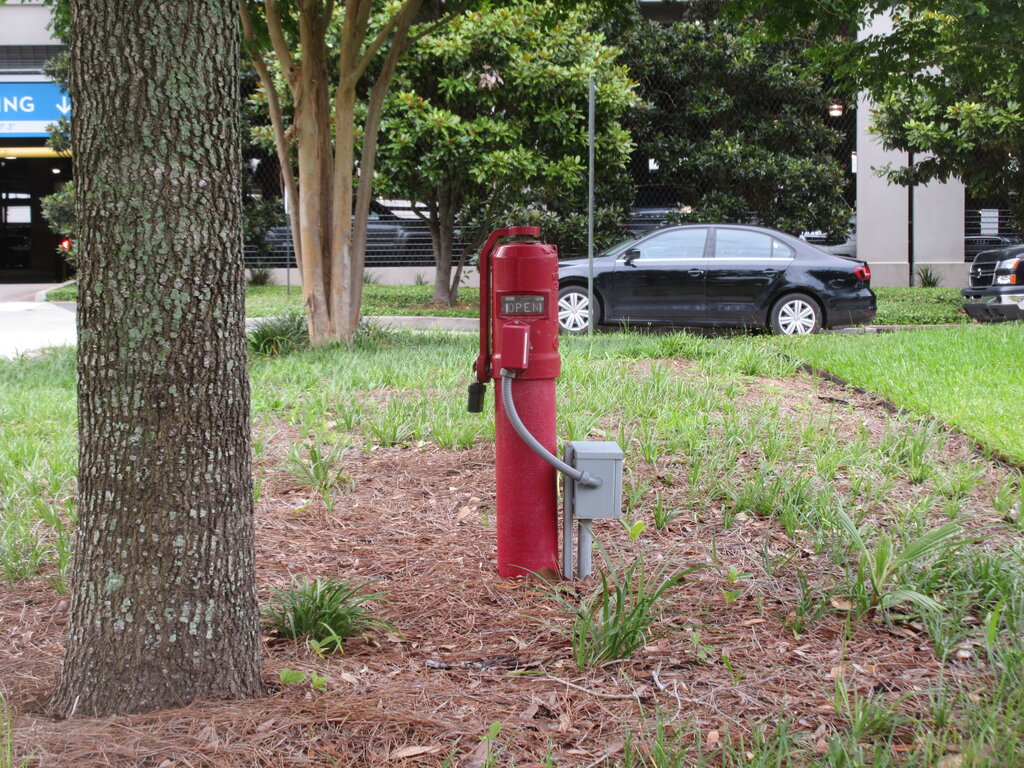
Finally, Alarm Devices alert building occupants and the fire department that the system has been activated. A water flow switch detects when water is moving through the pipes and sends a signal to an alarm panel. This can trigger audible alarms like bells or horns, as well as visual strobe lights, and automatically notify emergency services.
Ready to test your knowledge? Let's see what you've learned about the fundamentals of fire sprinkler systems.
Fire sprinkler systems primarily extinguish fires by attacking which side of the fire triangle?
Which type of fire sprinkler system is designed for environments where temperatures could drop below freezing, such as an unheated warehouse?