Fire Safety in the Science Lab
Lab Fire Hazards
Fire in the Science Lab
Science labs are full of amazing things, but some of them can be dangerous if not used carefully. To understand fire safety in the lab, we first need to know what a fire needs to start. It's simple: fire needs three things to exist. This is called the Fire Triangle
If you take away any one of these three things, a fire cannot start. If a fire is already burning, it will go out. All lab fire safety is about keeping these three things separate.
Heat Sources
The most obvious source of heat in a school lab is the It produces a hot, open flame that can easily set things on fire. You must always be aware of where the flame is and keep flammable things away from it.
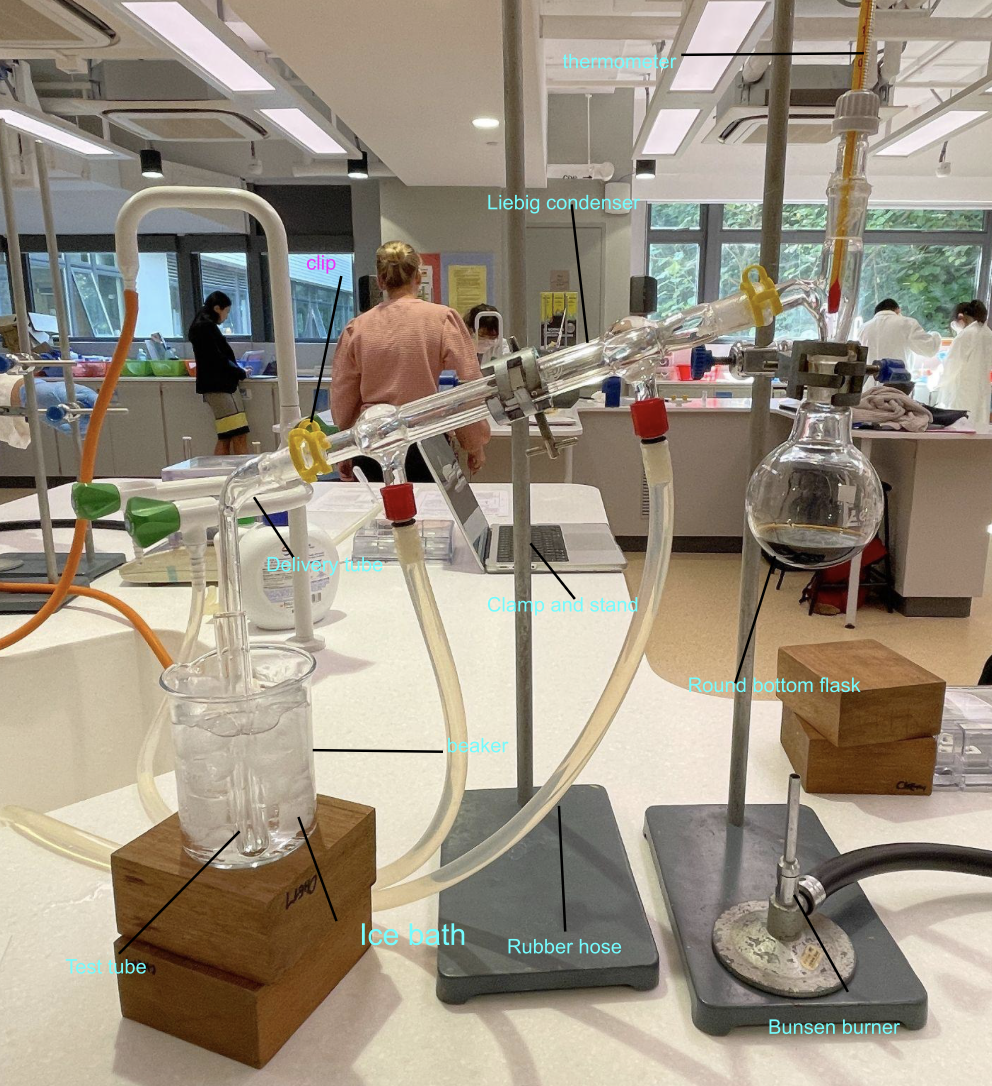
Another source of heat is electricity. Faulty wires or sparks from electrical equipment, like power packs, can get very hot. These sparks can act as the 'heat' part of the Fire Triangle, igniting any nearby fuel.
Fuel in the Lab
What can burn in a lab? Lots of things. We call these things 'fuel'. Some fuels are obvious, like paper from your notebook or loose clothing. Long hair can also be a fuel if it gets too close to a flame.
Other fuels are less obvious. Many chemicals are flammable, meaning they can catch fire easily. A common one in school labs is It's a clear liquid that looks like water, but it is very flammable.
Flammable
adjective
Something that can be set on fire easily and burns quickly.
The final part of the triangle is oxygen. We don't need to worry about bringing oxygen into the lab, because it's already all around us in the air. This is why it's so important to control the heat and the fuel.
Imagine a student with long, untied hair leans over a Bunsen burner flame. The hair (fuel) gets hot enough from the flame (heat) and, with the oxygen in the air, it catches fire. This shows how quickly the three parts can come together.
Now, let's check what you've learned about keeping the lab safe.
What are the three components needed for a fire to exist, often referred to as the Fire Triangle?
Which of these is a common, flammable liquid found in school labs that looks like water?
By understanding the Fire Triangle, you can easily spot and avoid fire hazards in the lab. Always think about keeping heat sources and fuel sources far apart.