Fire Department Operations
Fire Department Basics
Guardians of the Community
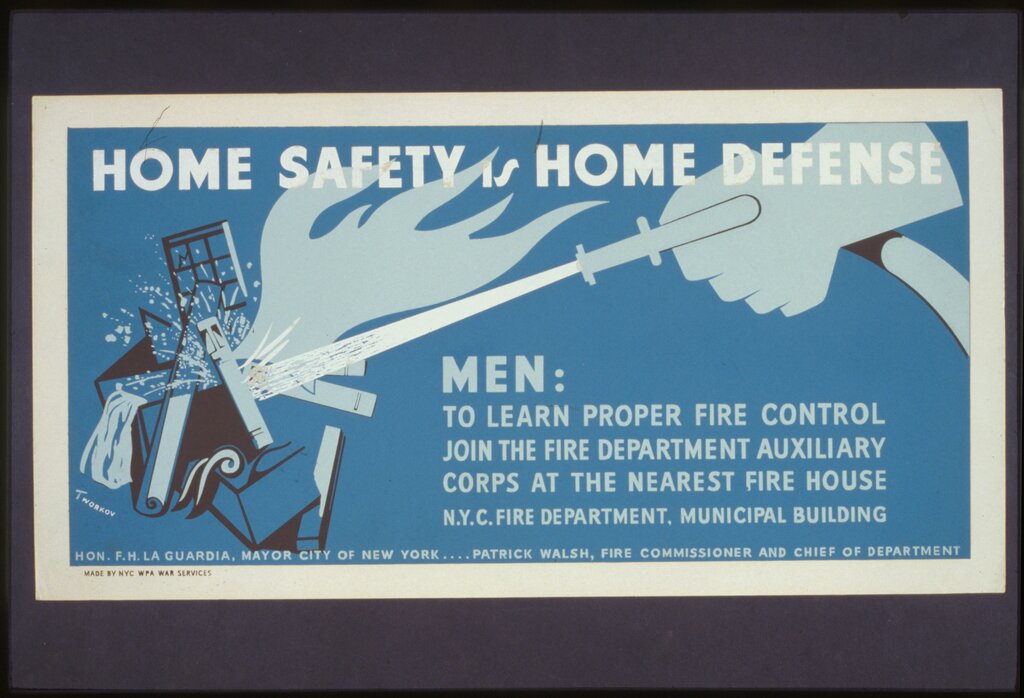
A fire department is an organization that provides fire protection and other emergency services for a specific area. Its fundamental mission is simple but profound: to save lives and protect property. When you see a fire engine speed by with sirens blaring, you're seeing a team of highly trained professionals rushing to prevent a tragedy, control a crisis, or provide critical medical aid.
While the name highlights "fire," their role has expanded dramatically over the years. Modern fire departments are all-hazards response agencies. They handle everything from car crashes and hazardous material spills to medical emergencies, making them a cornerstone of public safety.
A Quick Trip Back in Time
The idea of an organized group to fight fires isn't new. The first municipal firefighters, known as the Vigiles Urbani or "watchmen of the city," were established in Ancient Rome by the Emperor Augustus. They patrolled the streets at night, watching for fires and keeping order.
In the United States, early fire protection was often a community effort. In 1736, Benjamin Franklin helped establish the Union Fire Company in Philadelphia, one of the first volunteer fire brigades. These early groups were simple, relying on buckets, ladders, and courage. Over centuries, volunteer efforts evolved into the professional, tax-funded fire departments we know today, equipped with advanced technology and extensive training.
The Three Pillars of Service
The work of a modern fire department can be broken down into three core services.
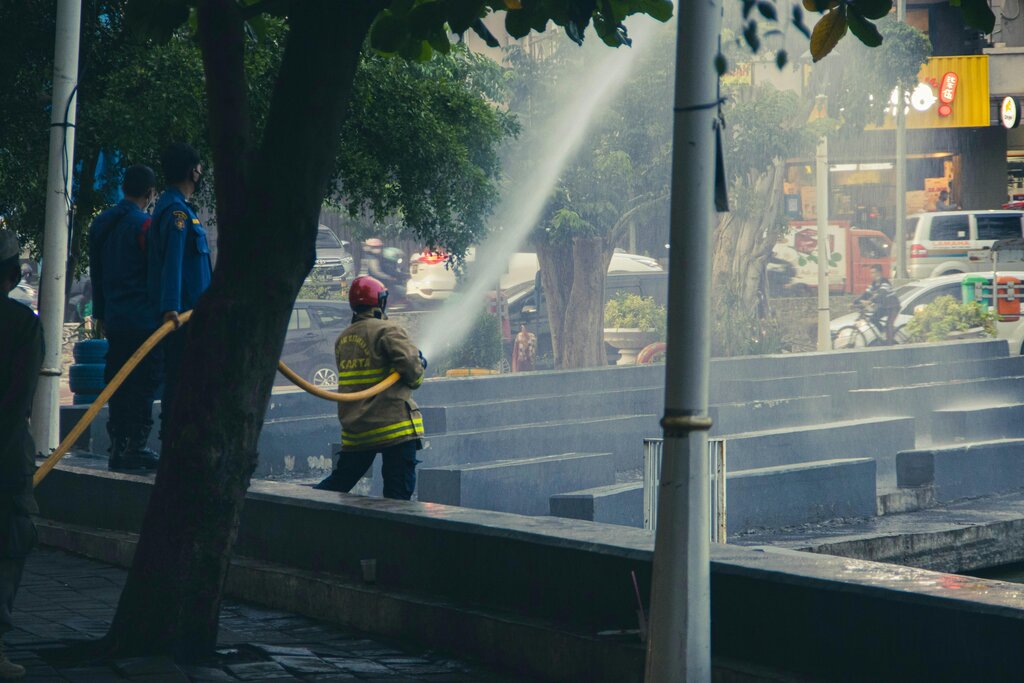
- Fire Suppression: The most traditional role. This is the act of extinguishing fires that threaten lives and property. It involves everything from a small kitchen fire to a massive industrial blaze. Firefighters use a variety of tools, including hoses, ladders, and specialized vehicles, to control and put out fires safely and efficiently.
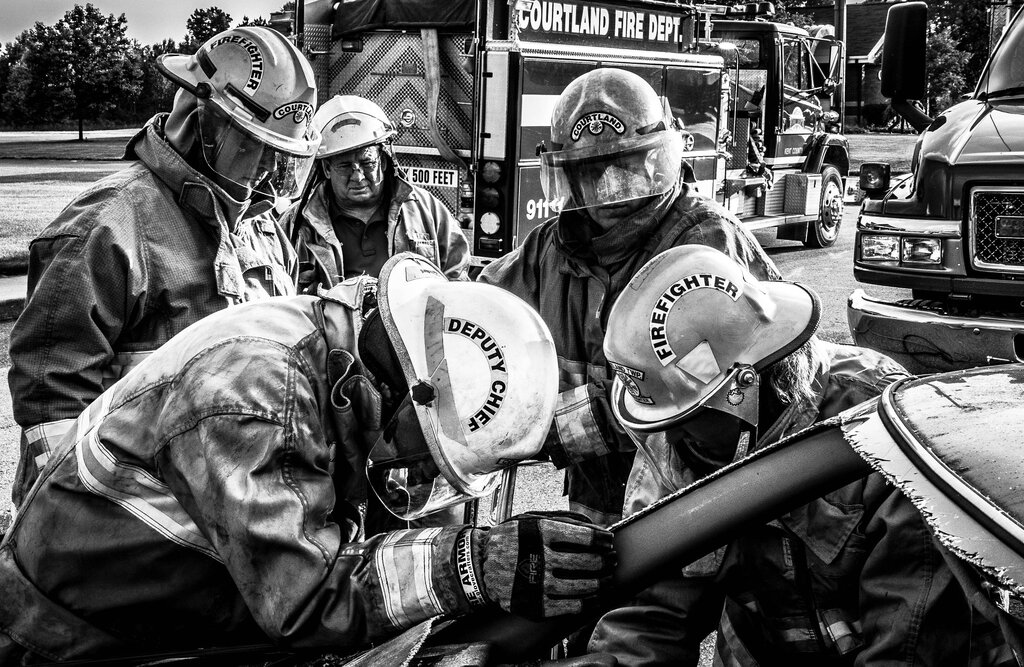
- Rescue Operations: Firefighters are called upon for a huge range of rescue situations. This includes extricating people trapped in vehicles after a crash, saving individuals from collapsed buildings, performing water rescues, and even retrieving people from confined spaces or high angles. Their expertise in using specialized tools like the "jaws of life" is often critical.
- Emergency Medical Services (EMS): A significant portion of 911 calls are for medical emergencies, not fires. Many firefighters are also certified Emergency Medical Technicians (EMTs) or paramedics. They provide immediate medical care for everything from heart attacks and injuries to other health crises, often arriving on the scene before an ambulance.
These three pillars show that fire departments are essential for a community's well-being. They stand ready 24/7 to respond to a wide array of emergencies, offering a vital safety net for everyone. Their presence provides not just a practical service, but also a sense of security.