Fine-Tuning Large Language Models
Introduction to Large Language Models
What Are Large Language Models?
Large Language Models, or LLMs, are advanced AI systems designed to understand, generate, and interact with human language. Think of them as incredibly sophisticated text predictors. At their core, they are trained to guess the next word in a sequence. By doing this on a massive scale, using text from the internet, books, and other sources, they learn the patterns, grammar, context, and even reasoning embedded in human language.
Large language models (LLMs) are AI systems that understand and create human language, doing tasks like summarizing articles, answering questions, writing code, and more.
This predictive ability allows them to perform a wide range of tasks, from drafting an email to explaining a complex scientific concept or writing a piece of code. They aren't just repeating information they've seen; they are generating new combinations of words based on the patterns they've learned.

The Transformer Architecture
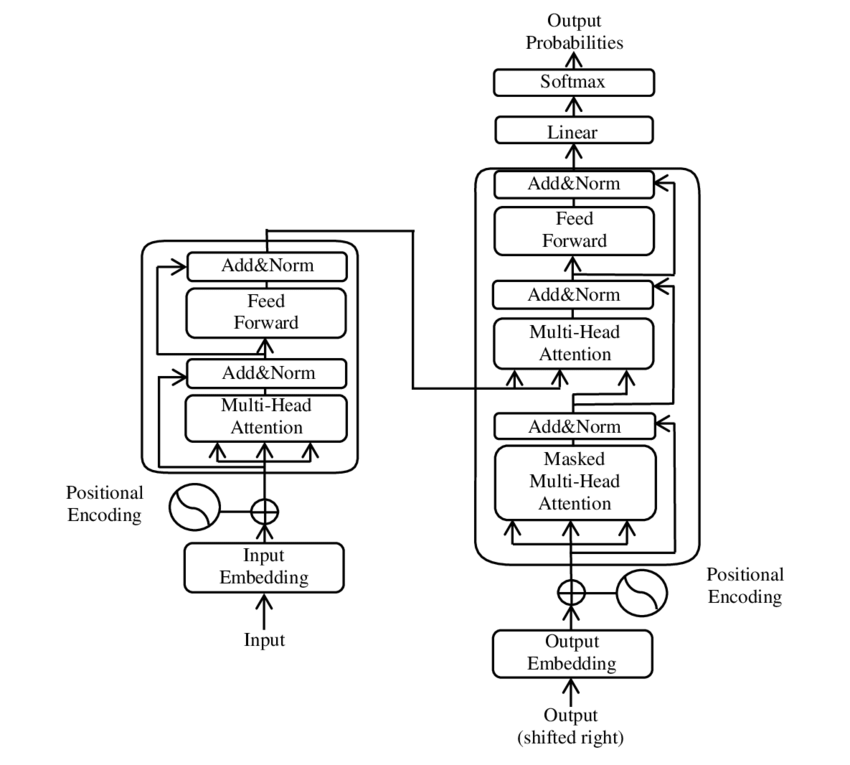
The major breakthrough that enabled modern LLMs was an architecture called the Transformer, introduced in 2017. Before the Transformer, models processed text sequentially, word by word, which made it difficult to keep track of long-range dependencies in the text.
The Transformer can process all the words in a sentence at once. Its key innovation is a mechanism called self-attention.
Self-Attention
noun
A mechanism within a neural network that allows it to weigh the importance of different words in the input text when processing a particular word. It helps the model understand context and relationships between words, no matter how far apart they are.
Self-attention allows the model to look at other words in the input to get clues about the current word it's processing. For example, in the sentence "The robot picked up the heavy box because it was strong," the self-attention mechanism helps the model determine that "it" refers to the "robot," not the "box." This ability to understand context is what makes LLMs so powerful.
How LLMs Learn
LLMs are created through a process called pre-training. During this phase, the model is fed an enormous amount of unlabeled text data. It learns by performing simple, self-supervised tasks. A common one is "masked language modeling," where the model is given a sentence with a word missing and has to predict that word.
For example, it might see the sentence: "The cat sat on the ___."
By predicting the missing word ("mat," "couch," "floor") and checking its answer against the original text, the model slowly learns grammar, facts about the world, and even reasoning abilities. This process is called self-supervised because it doesn't require humans to manually label the data; the labels (the missing words) are part of the input itself.
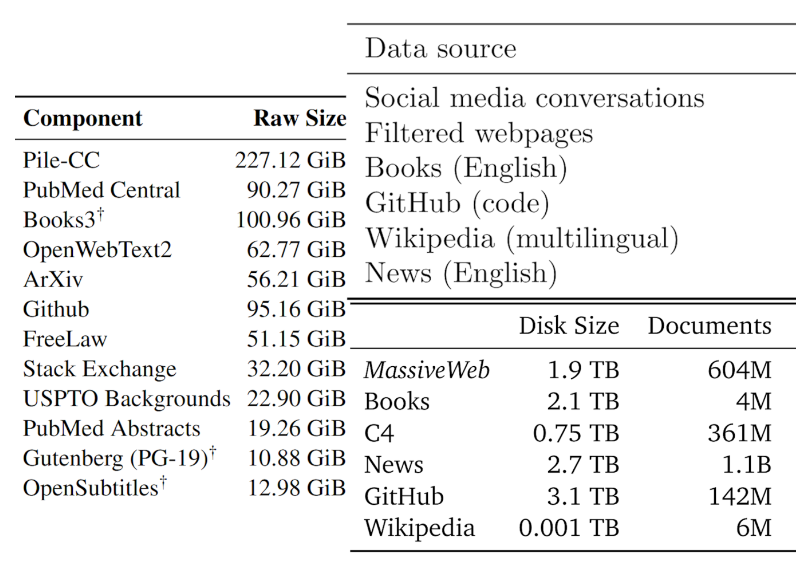
This pre-training phase is computationally intensive and can take weeks or months on powerful supercomputers, but it results in a foundational model with a broad understanding of language.
What Can LLMs Do?
After pre-training, a base LLM is a versatile tool capable of handling many different natural language tasks. Some common applications include:
| Application | Description |
|---|---|
| Text Generation | Creating original text, from emails and articles to stories and poetry. |
| Question Answering | Providing direct answers to questions based on the context it's given or its internal knowledge. |
| Summarization | Condensing long documents or articles into short, coherent summaries. |
| Translation | Translating text from one language to another. |
| Code Generation | Writing code in various programming languages based on a natural language description. |
This foundational knowledge of what LLMs are, how they're built, and what they can do is the first step toward understanding how to adapt them for more specific and sophisticated tasks.