Fine-Tuning Large Language Models
Introduction to Large Language Models
What Is a Large Language Model?
A Large Language Model, or LLM, is a type of artificial intelligence designed to understand and generate human language. Think of it as a very advanced autocomplete. It's trained on a massive amount of text data, allowing it to learn the patterns, grammar, context, and nuances of language.

Unlike simpler programs that follow rigid rules, LLMs work by predicting the next most likely word in a sequence. By doing this over and over, they can write paragraphs, answer questions, and even generate computer code. The "large" in their name refers to both the immense size of the model itself—containing billions of parameters—and the enormous dataset it was trained on.
The Blueprint of an LLM
At its core, an LLM is a neural network, a computing system inspired by the human brain. Specifically, modern LLMs are built on an architecture called the Transformer, introduced in 2017. Before the Transformer, AI models struggled to keep track of context in long sentences.
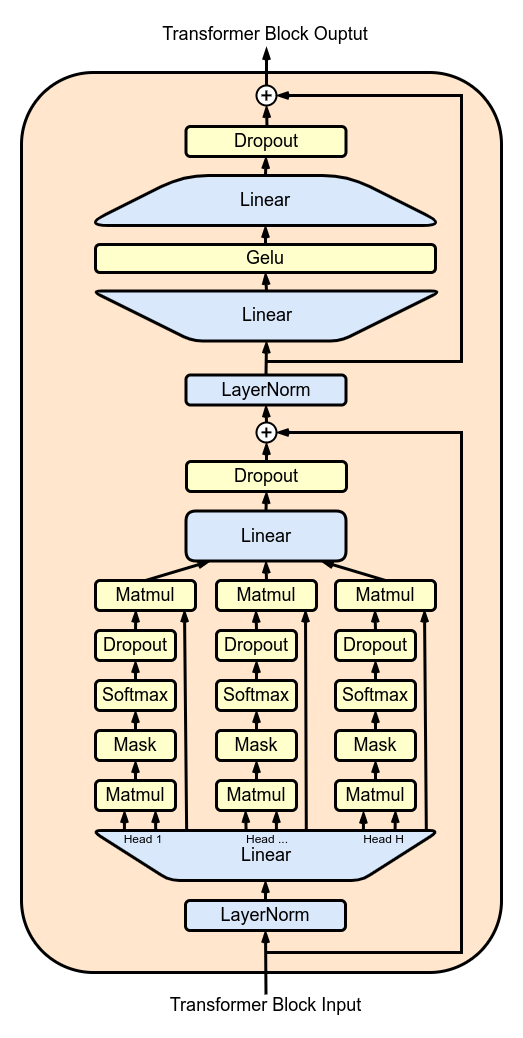
The Transformer's key innovation is the attention mechanism. This allows the model to weigh the importance of different words when processing a sentence. For example, in the sentence "The robot picked up the red ball because it was blocking the path," the attention mechanism helps the model understand that "it" refers to the "ball," not the "robot" or the "path." This ability to grasp context is what makes LLMs so powerful.
How LLMs Go to School
Training an LLM is a massive undertaking. The process starts with collecting a huge dataset of text and code from the internet. This includes books, articles, websites like Wikipedia, and more.
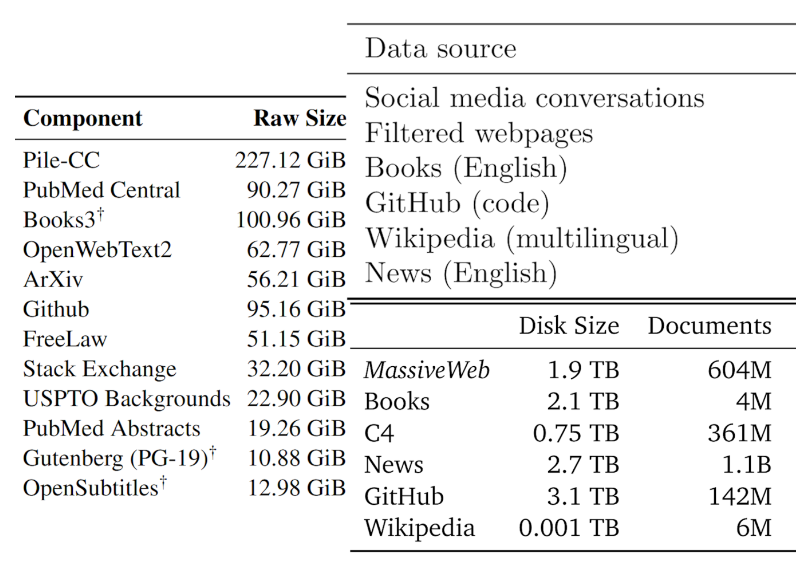
The primary training method is called self-supervised learning. The model is given a piece of text with a word missing and is asked to predict that word. For instance, it might see the sentence: "The sun rises in the ____."
The model makes a guess. If it guesses "east," it gets rewarded. If it guesses "west," it's corrected. It repeats this process billions of times, adjusting its internal parameters with each attempt. Over time, it learns the statistical relationships between words, which is the foundation of its language ability. This initial, broad training phase is known as pre-training.
What Can LLMs Do?
The general-purpose nature of pre-trained LLMs makes them incredibly versatile. They can be applied to a wide range of tasks without needing to be rebuilt from scratch for each one.
Because they are trained on such diverse data, LLMs can perform many different language-related tasks right out of the box.
| Application | Description |
|---|---|
| Text Generation | Writing essays, emails, marketing copy, and creative stories. |
| Summarization | Condensing long articles or documents into key points. |
| Translation | Translating text between different languages. |
| Question Answering | Providing direct answers to questions based on a given context or its internal knowledge. |
| Code Generation | Writing snippets of code in various programming languages based on a natural language description. |
| Chatbots | Powering conversational agents for customer service or virtual assistance. |
These applications showcase the flexibility of LLMs. They are powerful tools that have fundamentally changed how we interact with information and technology.