Finding Problems for New Products
Understanding Market Needs
The Heart of the Matter
Every successful product, from the smartphone in your pocket to your favorite brand of coffee, starts with the same thing: a deep understanding of market needs. A market need isn't just a fleeting desire or a want. It’s the gap between a customer's current situation and their ideal situation. It's a problem looking for a solution.
Think of it this way: In the late 1800s, people needed to get around faster. If you had asked them what they wanted, they might have said "a faster horse." The underlying need, however, wasn't for a better horse, but for more efficient transportation. Understanding this distinction is key. Customers are experts in their problems, not necessarily in the solutions.
The foundation of any successful product lies in addressing a specific customer need or solving a problem.
This leads us to two crucial concepts: pain points and unmet needs.
Pain Point
noun
A specific problem, frustration, or friction that a customer experiences with a product, service, or process.
A pain point is the “ouch” moment. It's the annoyance of waiting in a long line, the frustration of a website that’s hard to navigate, or the expense of a product that breaks too soon. An unmet need is the broader desire that isn't being satisfied by any existing options on the market. Often, a collection of pain points points to a larger unmet need.
For example, before ride-sharing apps, the pain points of getting a taxi included difficulty hailing one, uncertainty about the fare, and inconvenient payment methods. The larger unmet need was for a reliable, on-demand transportation service that was simple and transparent.
From Problem to Purchase
Unmet needs and pain points are powerful motivators. They are the engine of consumer behavior. When a need is strong enough, people will actively seek out a solution. They'll search online, ask for recommendations, or even try to create their own makeshift fixes.
This search is what creates market opportunities. People don't buy drills because they want drills; they buy drills because they need holes. The hole is the need, the drill is the solution. When a new product comes along that solves a persistent pain point or satisfies an unmet need better than anything else, people are often quick to adopt it. This is why truly innovative products can feel so essential once they exist—they solve a problem we didn’t realize could be fixed.
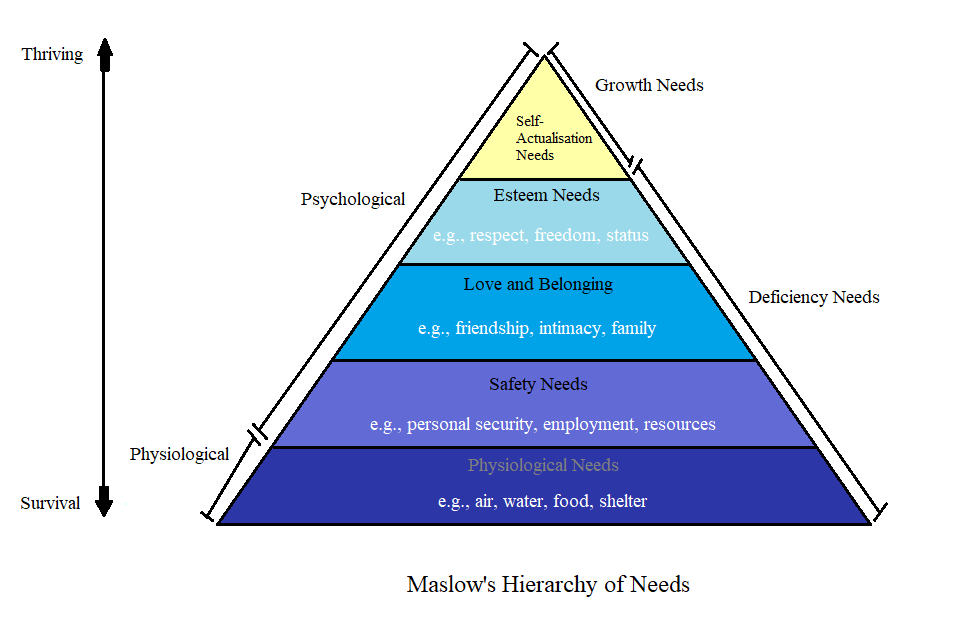
This drive to solve problems isn't just about convenience. Needs can be functional, like needing a durable pair of work boots. They can be social, like the need to connect with friends and family. Or they can be emotional, like the need for security or the desire for self-expression. The most successful products often tap into multiple types of needs at once.
The Spark of Innovation
Every groundbreaking product is a response to an unmet need. Innovation isn't just about inventing new technology for its own sake; it's about applying technology, design, and business models in new ways to solve real human problems.
Think of streaming services. The unmet need was for instant, affordable access to a vast library of entertainment without leaving home. Blockbuster's business model, with its late fees and limited physical inventory, was full of pain points. Netflix didn't invent video streaming, but it was the first to package it into a seamless solution that directly addressed those frustrations.
By focusing on the problem first, businesses can avoid a common pitfall: building something nobody needs. Identifying a genuine, widely-felt pain point is the most critical step in creating a product that people will not only buy but also love. It ensures you're not just creating a solution in search of a problem, but rather offering real value by making someone's life easier, better, or more enjoyable.
Time to review what we've covered.
What is the best definition of a market need?
The example of people in the 1800s wanting a "faster horse" illustrates that customers are experts in their ______, but not necessarily in the best ____.
Understanding market needs is the essential first step before any product is developed or any service is launched. It all begins with the customer and the problems they face.