Finding a Life Partner
Understanding Self
The First Step Is Inward
Before you can find a partner who truly fits into your life, you need to understand the life you're building. The foundation of any healthy, lasting relationship isn't about finding a perfect person, but about knowing yourself well enough to recognize a compatible one. This journey starts with self-awareness.
Think of it like building a house. You wouldn't start ordering furniture before you have a blueprint. You need to know the layout, the dimensions, and the style you're aiming for. Self-reflection is your blueprint. It helps you understand your own needs, desires, and non-negotiables, so you can build a relationship on a solid foundation.
Define Your Core
At the center of who you are are your personal values. These are the principles that guide your decisions and define your character. They're your internal compass. If you value adventure and spontaneity, a partner who prioritizes stability and routine might not be the best long-term fit. If honesty is your bedrock, a relationship with someone who often tells white lies will likely feel unsettling.
To identify your core values, think about a time you felt deeply happy or fulfilled. What was happening? Who were you with? What about that moment made it so meaningful? The answers often point directly to the values you hold most dear.
Your values inform your life goals. Do you dream of traveling the world, building a business, or creating a quiet life focused on family and community? Understanding your big-picture goals helps you see if a potential partner's vision for the future aligns with yours. It's not about having identical goals, but about moving in a compatible direction.
Acknowledge Your Whole Self
Self-awareness also means taking an honest look at your strengths and the areas where you have room to grow. What are you proud of? Maybe you're a great listener, incredibly resilient, or fiercely loyal. Acknowledging your strengths helps you see what you bring to a partnership.
Equally important is recognizing your areas for improvement. Are you quick to anger? Do you struggle with opening up emotionally? This isn't about self-criticism. It's about understanding your own patterns and triggers so you can manage them and communicate them clearly. A healthy relationship is made of two self-aware individuals, not two perfect ones.
A person with a positive self-image would be able to recognize and own their skills and potential while remaining practical and realistic about their weaknesses, responsibilities, limitations, and shortcomings, and it is with a healthy self-image that they would be able to embark on a journey of self-development and self-discovery to work on themselves and to improve themselves.
This understanding extends to your emotional needs and communication style. How do you prefer to resolve conflict? Do you need space to process, or do you prefer to talk things out immediately? Knowing this about yourself is the first step to being able to ask for what you need from a partner.
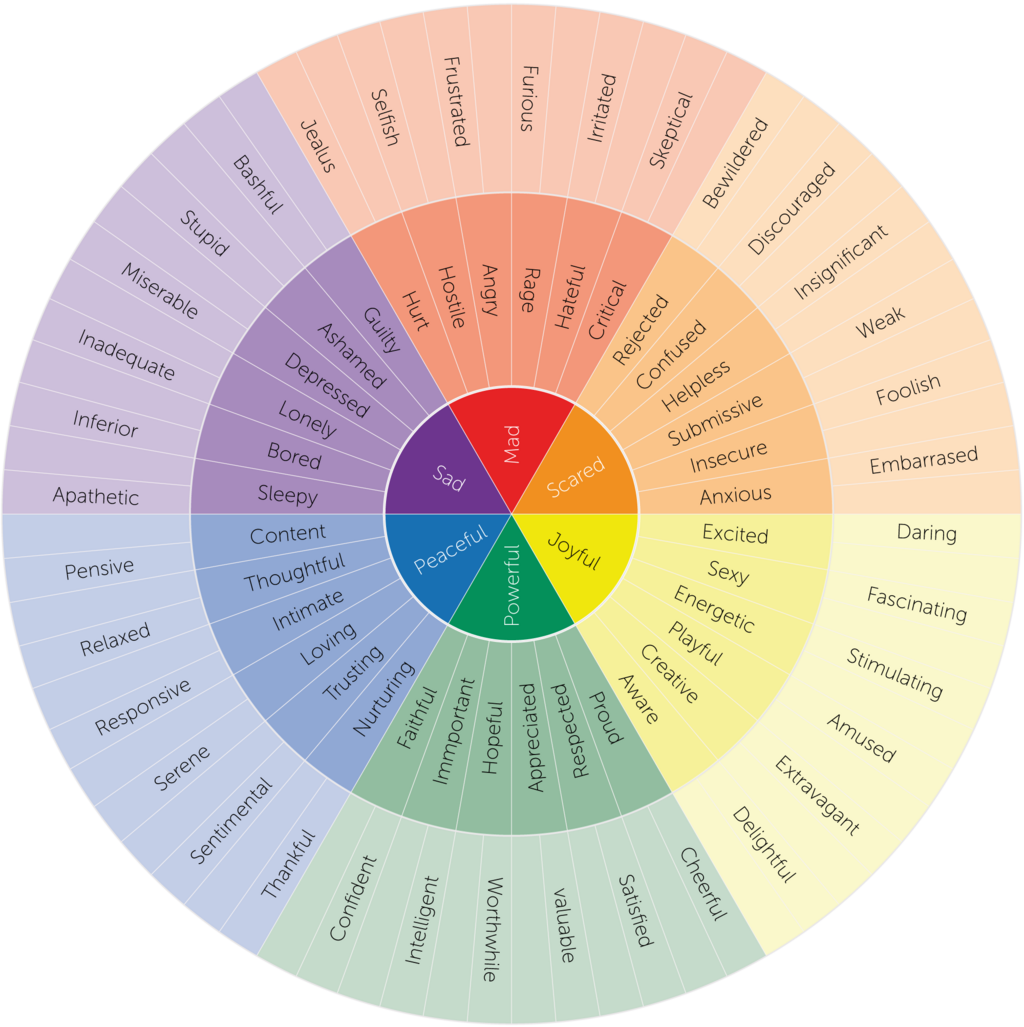
Finally, reflect on your past relationships. Look for recurring patterns without placing blame. Did you often feel unheard? Did you tend to choose partners who needed fixing? These patterns are valuable data. They reveal your habits, your unmet needs, and the dynamics you're drawn to. By understanding your past, you can consciously choose to create a different future.
Let's check your understanding of these core concepts.
According to the text, what is the primary foundation of a healthy, lasting relationship?
The text compares self-reflection to a 'blueprint for a house'. What does this analogy illustrate?
This process of self-discovery isn't a one-time task; it's an ongoing practice. But by starting with a clear understanding of who you are, you equip yourself with the most important tool for building a healthy, fulfilling partnership.