Financing Real Estate in Emerging Markets
Introduction to Real Estate Development
From Idea to Reality
Real estate development is the art and science of turning a piece of land into a place where people can live, work, or play. It’s more than just construction. A developer sees an empty lot or an old building and envisions its potential, guiding it from a rough concept all the way to a finished, occupied space.
Think of a developer as a film director. The director doesn't act in every scene, run the camera, or write the music. Instead, they bring together a team of specialists—actors, cinematographers, composers—and manage the entire creative process to bring a single vision to life. A real estate developer does the same, coordinating architects, engineers, construction crews, and investors to create a building.
If you’re interested in pursuing commercial real estate development as a career or as a business venture, you need to first understand the process from start to finish.
Every project, whether it's a single home or a massive shopping mall, follows a similar path. Understanding this journey is the first step to understanding the industry.
The Four Stages of Development
The development process is a marathon, not a sprint. It’s a long journey with distinct phases, each with its own set of challenges and goals. While the details can vary, most projects follow a four-stage lifecycle.
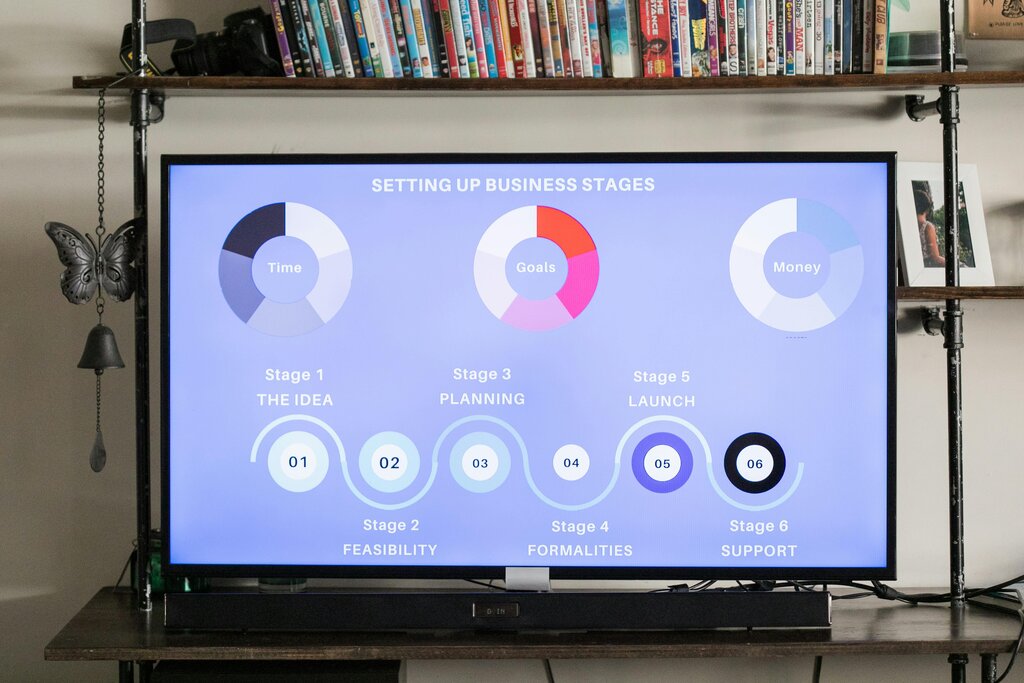
1. Inception and Feasibility This is the
What if?
stage. A developer identifies a property and brainstorms potential uses for it. Is there a need for more apartments in this neighborhood? Could this old warehouse become a trendy office space? The goal is to generate a promising idea and then test if it’s feasible. This involves a quick, high-level analysis of the site, potential costs, and what the finished project might be worth.
2. Pre-development and Entitlement If an idea seems promising, the project moves into a more serious planning phase. The developer assembles a team of architects, engineers, and lawyers. They create detailed designs, conduct thorough inspections of the property (a process called due diligence), and work on securing the necessary legal permissions and zoning approvals from the local government. This stage is all about creating a detailed blueprint and getting the official green light to build.
3. Construction This is the most visible stage. With plans approved and financing in place, the construction crew breaks ground. The developer's role shifts to project management, overseeing the construction process to ensure it stays on schedule and within budget. This phase turns the blueprints into a physical structure, from laying the foundation to putting on the final touches.
4. Completion and Operation Once construction is finished, the project isn't over. The final stage involves leasing or selling the property to tenants or buyers. For properties that are leased, like an apartment building or office complex, this phase also includes ongoing property management. The building is now a functioning asset, generating income and serving its purpose in the community.
The Key Players
A developer can't build a project alone. It takes a village of different experts and stakeholders, each playing a critical role. While dozens of specialists can be involved, three key groups are at the core of every project.
| Role | Who They Are | What They Do |
|---|---|---|
| The Developer | The visionary and project manager. | Leads the project, coordinates the team, and takes on the primary risk. |
| The Investors | The financial backers. | Provide the capital needed to buy the land and fund construction. |
| The Regulators | The government authorities. | Set the rules (zoning, building codes) and issue the permits needed to build legally. |
The developer's job is to orchestrate the relationship between these groups. They must create a project that meets the government's rules, satisfies the financial goals of investors, and ultimately results in a successful, valuable property. This balancing act is at the heart of real estate development.
Time to check your understanding of the development landscape.
The provided text compares a real estate developer to a film director. What is the primary reason for this comparison?
During which stage of development does the developer conduct due diligence and secure zoning approvals from the local government?
These core concepts—the stages of development and the key players involved—form the foundation for understanding how real estate projects come to life. They apply to projects big and small, in markets all over the world.