Financial Trading Systems Explained
Introduction to Financial Markets
What Are Financial Markets?
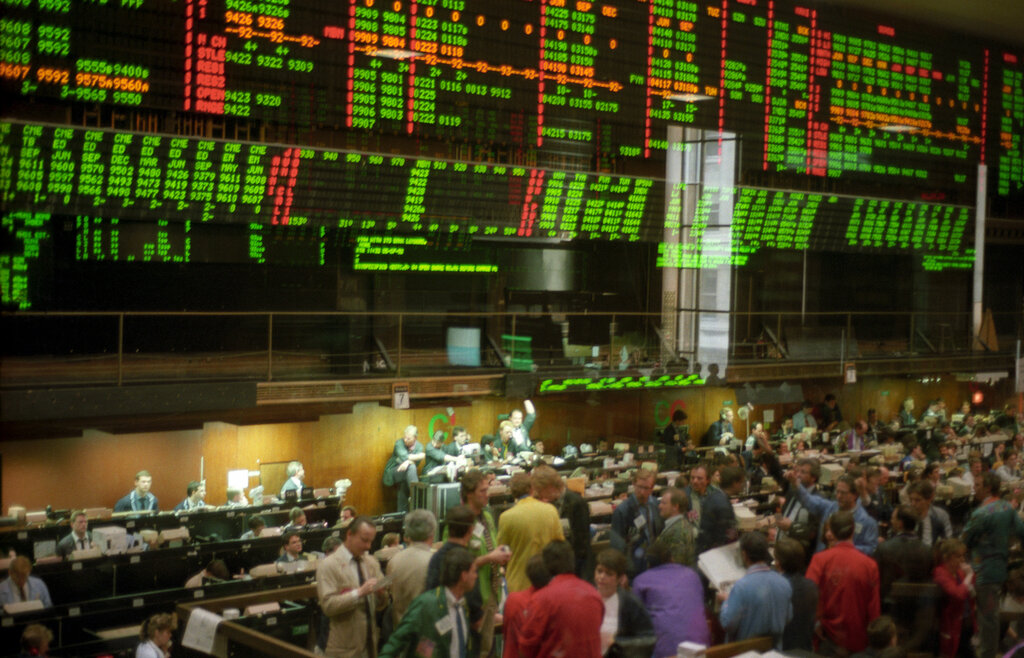
Think of a financial market as a giant, global marketplace. Instead of selling fruits and vegetables, people buy and sell financial instruments like stocks, bonds, and currencies. It's any place that brings buyers and sellers together to trade these assets.
These markets serve a few crucial purposes. First, they help determine the prices of assets through supply and demand. This is called price discovery. Second, they provide liquidity, which means you can easily buy or sell an asset without causing a major price swing. Finally, they make trading cheaper and more efficient by bringing everyone to one place, whether it's a physical trading floor or a digital network.
The Main Market Types
Financial markets aren't all the same. They're categorized based on what's being traded. The four main types are the stock, bond, derivatives, and foreign exchange markets.
| Market Type | What's Traded | Primary Goal for Buyers |
|---|---|---|
| Stock Market | Shares of ownership in public companies (stocks or equities). | To own a piece of the company and share in its profits. |
| Bond Market | Debt instruments (bonds) issued by governments and corporations. | To lend money in exchange for regular interest payments. |
| Derivatives Market | Contracts whose value is based on an underlying asset (like a stock or commodity). | To manage risk or speculate on future price movements. |
| Foreign Exchange (Forex) | National currencies (like the U.S. dollar or the Euro). | To facilitate international trade or profit from changes in exchange rates. |
The Key Players
A market needs more than just buyers and sellers. Several key participants ensure everything runs smoothly. Each has a distinct role.
Let's break down who does what:
- Investors: These are the individuals and institutions (like pension funds or mutual funds) who buy and sell assets. They are the ultimate buyers and sellers.
- Brokers: Brokers are intermediaries who execute trades on behalf of investors. When you place an order to buy a stock, your broker is the one who carries it out in the market.
- Dealers: Dealers trade for their own accounts, buying and selling assets to provide liquidity to the market. They profit from the difference between their buying price (bid) and selling price (ask), known as the bid-ask spread.
- Regulators: These are government bodies, like the Securities and Exchange Commission (SEC) in the United States, that oversee the markets. Their job is to ensure fairness, transparency, and stability, protecting investors from fraud.
A Look at Financial Instruments
The items traded in financial markets are called financial instruments. Each one represents a different type of financial claim.
Equity
noun
A security representing ownership interest in a corporation. Shareholders own a piece of the company and have a claim on its assets and earnings. The most common form of equity is common stock.
Bonds are essentially loans made by an investor to a borrower. The borrower (a corporation or government) agrees to pay the investor interest over a set period and return the original amount at the end. They're often considered less risky than stocks.
Derivatives are more complex. They are contracts that derive their value from an underlying asset, like a stock, bond, or even a commodity like oil. Options and futures are common types of derivatives. They are often used to hedge risk or for speculation.
Finally, currencies are simply the money issued by different countries. In the forex market, traders buy one currency while selling another, speculating on the changing values between them.
Now that you understand the basic landscape, you're ready to explore how these markets function in more detail.