Financial System Mechanics and Infrastructure
Capital Movement Basics
The Plumbing of Your Money
When you turn on a faucet, water flows through a hidden network of pipes. The global economy has a similar system, but for money. It's often called financial plumbing, and it's the vast, behind-the-scenes infrastructure that moves money from where it is to where it's needed. This system ensures that a company can get a loan to build a new factory or that you can save for retirement.
This network of banks, payment systems, and markets is the circulatory system of the economy.
To understand this plumbing, we first need to distinguish between two key terms: money and capital. Money is what you use for daily transactions, like buying coffee or paying rent. Capital, on the other hand, is money put to work to create more wealth. It’s the cash a business uses to invest in new equipment or the savings you put into an investment account.
Connecting Savers and Borrowers
Imagine two groups of people. The first group, savers, has extra money they don't need right now. This could be you putting money into a savings account, a company with leftover profits, or a pension fund investing for the future. The second group, borrowers, needs money to fund a project. This might be an entrepreneur starting a business or a family buying a home.
The financial system's main job is to connect these two groups. The "pipes" that make this connection happen are called —institutions like banks, credit unions, and investment firms.
There are two main ways capital can flow from savers to borrowers: direct and indirect finance.
| Type | How it Works | Example |
|---|---|---|
| Direct Finance | Borrowers get funds directly from savers in financial markets. | A corporation sells stocks or bonds directly to investors. |
| Indirect Finance | A financial intermediary stands between savers and borrowers. | You deposit money in a bank, and the bank then lends that money to someone else. |
Most financial activity happens through indirect finance. It’s generally safer and more convenient for the average person. You don’t have to personally find a creditworthy business that needs a loan; the bank does that work for you.
When the Pipes Get Clogged
Thinking of the financial system as plumbing helps explain what happens during a s. If the pipes get clogged, the flow of capital stops. Imagine a bank suddenly becomes afraid to lend money because it worries borrowers won't be able to pay it back. Businesses can't get loans to pay their employees, construction projects halt, and economic activity grinds to a halt.
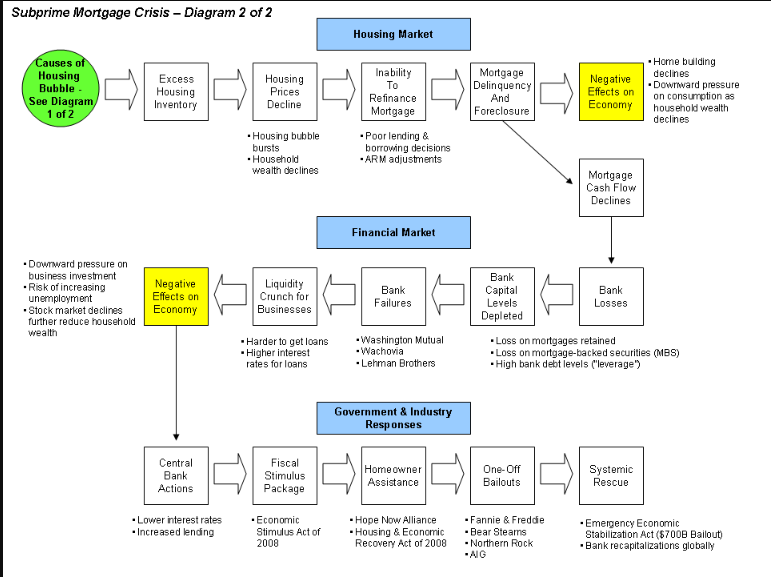
This is why governments and central banks pay so much attention to the health of the financial plumbing. They act as plumbers of a sort, stepping in to clear blockages and ensure capital can continue to flow freely to where it can be used productively.
Understanding this basic flow of capital is the first step to making sense of the entire financial world. It’s the foundation upon which everything else, from stock markets to global trade, is built.