Financial Statement Essentials
Introduction to Financial Statements
The Financial Report Card
Financial statements are like a report card for a business. They tell you how a company is performing and what its financial health looks like. Instead of grades in different subjects, they show numbers related to a company's money. By learning to read them, you can understand a business's strengths and weaknesses.
There are three main reports, but we'll start with two of them: the balance sheet and the cash flow statement. Together, they provide a powerful look into a company's financial story.
Financial statements are critical tools for assessing a company's financial health and performance.
The Balance Sheet
The balance sheet is a snapshot of a company's financial position at a single point in time. Think of it like a photo. It captures what a company owns and what it owes on a specific day, whether it's the end of a quarter or the end of the year.
This statement is built on a fundamental equation that must always, as the name implies, balance. It's broken down into three parts: assets, liabilities, and equity.
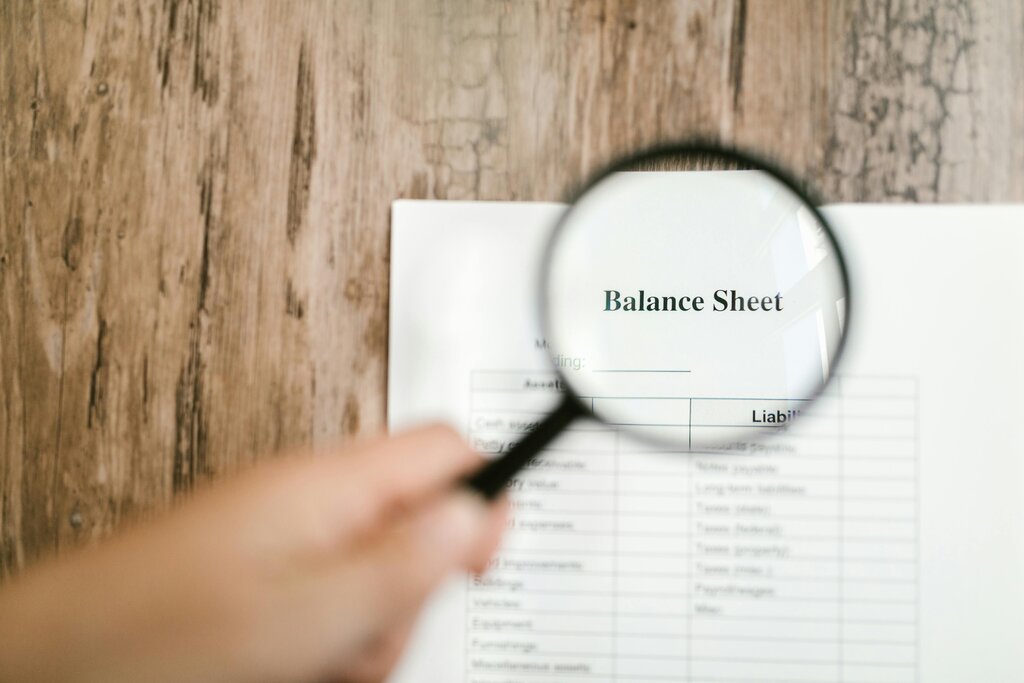
- Assets: These are the resources a company owns. This includes cash, inventory, equipment, and buildings. Anything that has value and can be used to produce future economic benefit is an asset.
- Liabilities: This is what a company owes to others. Liabilities include loans, accounts payable (bills from suppliers), and other debts.
- Equity: This represents the owners' stake in the company. It's what would be left over for shareholders if the company sold all its assets and paid off all its liabilities.
These three components are linked by the basic accounting equation.
Remember, the balance sheet is just a snapshot. A company's financial position can look very different the day after the statement is prepared.
The Cash Flow Statement
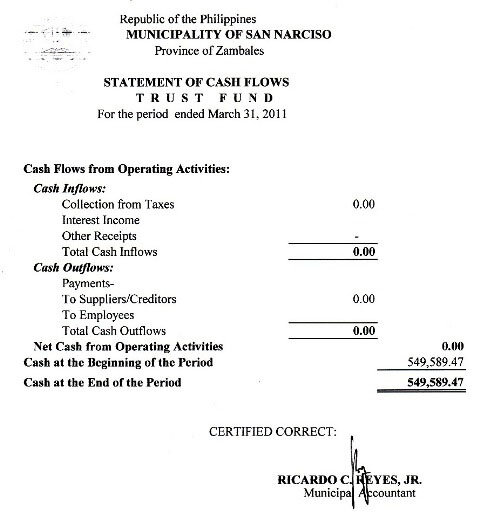
If the balance sheet is a photo, the cash flow statement is a video. It shows how cash moves in and out of a company over a period of time, such as a month or a quarter. This is incredibly important because a profitable company can still go out of business if it doesn't have enough cash to pay its bills.
This statement tracks cash from three main types of activities.
| Activity Type | Description | Example |
|---|---|---|
| Operating | Cash generated from a company's main business activities. | Cash from sales of goods or services. |
| Investing | Cash used for or received from investments. | Buying or selling equipment or property. |
| Financing | Cash from investors or banks, or paid to them. | Taking out a loan or paying dividends to shareholders. |
By looking at these three areas, you can see where a company's cash is coming from and where it's going. A healthy company typically generates positive cash flow from its operations, which it can then use to invest in growth or pay back its debts.
Profit is an opinion, but cash is a fact. The cash flow statement shows the real money moving through the business.
Why They Matter
Understanding these two statements is the first step in analyzing any business. The balance sheet shows what a company has to work with, while the cash flow statement reveals its ability to generate the cash needed to operate and grow.
Lenders will look at these documents to decide if a company can repay a loan. Investors use them to judge a company's financial health and potential for future profits. And managers use them to make strategic decisions about how to run the business.
By mastering the basics of these reports, you gain a clear view into the financial heart of a company.
Which financial statement is best described as a "snapshot" of a company's financial position at a single point in time?
On a balance sheet, what a company owes to others, such as loans and bills from suppliers, are known as: