Financial Services Unpacked A First Principles Approach
Introduction to Money
Life Before Money
Imagine you're a skilled baker, but you need a new pair of shoes. In a world without money, you'd have to find a shoemaker who not only has the shoes you want but also happens to be hungry for bread right now. This is called the barter system, and it relies on a tricky “double coincidence of wants.” You have to find someone who has what you want, and who also wants what you have, at the exact same time. It's incredibly inefficient.
What if the shoemaker isn't hungry? You're stuck. Or what if they agree to take bread, but a pair of shoes is worth 50 loaves? You'd have to bake for days, and the shoemaker would have a mountain of stale bread. This system makes trade complicated and limits economic growth. To solve this, societies invented money.
The Three Jobs of Money
Money isn't just paper or coins; it’s a tool that performs three specific jobs. Anything that can do these three things can be considered money.
1. Medium of Exchange This is the most important job. Money acts as an intermediary, something everyone agrees to accept in exchange for goods and services. Instead of trading bread for shoes, you sell your bread for money, then use that money to buy shoes from anyone who sells them. It breaks the
Money solves the “double coincidence of wants” problem, making trade simple and efficient.
2. Unit of Account Money provides a common measure of value. In a barter economy, you'd have to know how many loaves of bread a pair of shoes is worth, how many shoes a cow is worth, and so on. The number of prices would be endless.
With money, everything has a single price. A loaf of bread is $3, a pair of shoes is $60. It's easy to compare values and understand what something is worth. It’s like a universal yardstick for value.
3. Store of Value Money lets you save purchasing power for the future. You can sell your bread today and hold onto the money to buy something next week, next month, or next year. Your wealth won't spoil like bread or get sick like a cow. While inflation can reduce its value over time, money is far more durable and convenient for saving than most physical goods.
The Evolution of Money
Money didn’t always look like it does today. It has taken many forms throughout history, evolving to become more convenient and efficient.
The earliest form was commodity money. This was an object that had value on its own, outside of its use as money. Think of things like salt, cattle, shells, or grain. These items were useful for other things (eating, wearing), so people were willing to accept them as payment. For centuries, precious metals like gold and silver were the dominant form of commodity money because they were durable, easy to carry, and divisible into smaller units.
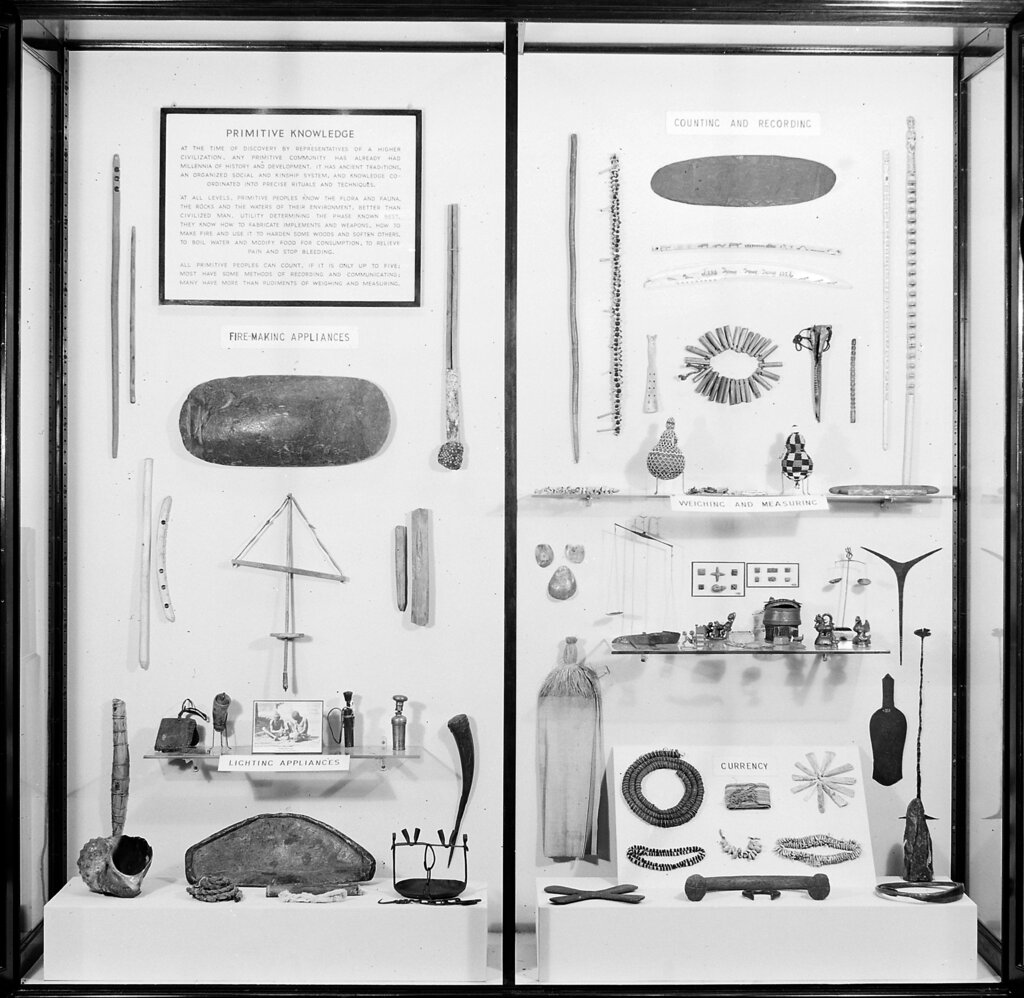
Over time, carrying heavy coins became cumbersome. This led to the creation of paper money, which initially acted as a receipt or claim for a certain amount of gold or silver held in a vault. Eventually, most countries dropped this connection to a physical commodity. This gave us fiat money.
fiat money
noun
Money that a government has declared to be legal tender, but is not backed by a physical commodity. Its value comes from the trust people have in the government that issues it.
The cash in your wallet and the numbers in your bank account are fiat money. They have no intrinsic value; a $20 bill is just a piece of paper. We accept it as payment only because we trust that others will accept it from us. This trust is based on the stability of the government and the economy that backs it.
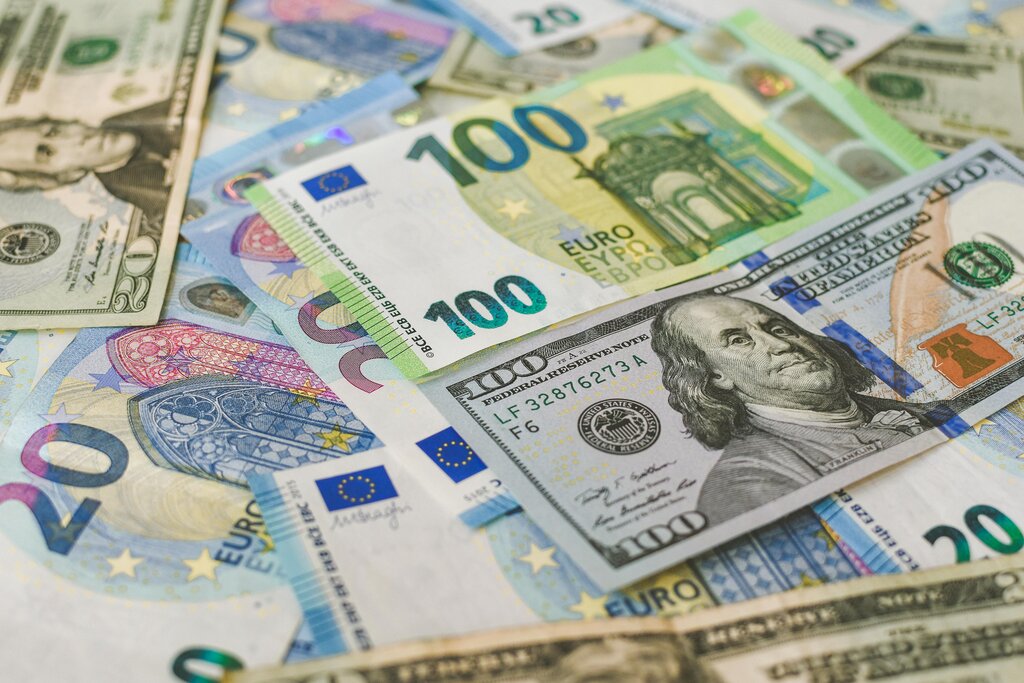
The story doesn't end there. Today, we're in the middle of another shift toward digital money. Most of our money already exists only as electronic records in bank computer systems. We use debit cards, credit cards, and apps to move these numbers around.
More recently, cryptocurrencies like Bitcoin have emerged. These are digital currencies secured by cryptography and are not controlled by any central authority like a government or bank. They represent a new chapter in the long, fascinating history of money.
Understanding what money is, what it does, and where it came from is the first step to understanding the entire world of finance.
Ready to check your understanding? Let's see what you've learned.
The primary problem with the barter system, which money solves, is the need for what?
When you put cash into a piggy bank to save for a future purchase, which function of money are you primarily using?