Financial Scam Awareness
Introduction to Financial Scams
What Are Financial Scams?
A financial scam is any scheme designed to trick you out of your money. Scammers use deception to convince you to send them cash, share personal information, or invest in fraudulent ventures. These plots are as old as money itself, but modern technology gives criminals new ways to reach potential victims.
scam
noun
A dishonest scheme; a fraud.
Think of an email from a supposed long-lost relative promising a fortune, or a text message claiming you’ve won a prize for a contest you never entered. These are classic examples. The goal is always the same: to get your money or your data before you realize what's happening.

These aren't isolated incidents that happen to just a few unlucky people. Financial fraud is a widespread problem affecting millions of individuals from all walks of life. The total financial losses are staggering, reaching into the billions of dollars every year.
Consumer fraud impacts millions of Americans every year and often results in financial harm.
Common Types of Scams
While scammers are always inventing new tricks, most financial scams fall into a few common categories. Understanding these types is the first step toward protecting yourself.
| Scam Type | What It Is |
|---|---|
| Phishing | Scammers impersonate trusted organizations like banks or government agencies. They use fake emails, texts, or websites to trick you into giving up passwords, account numbers, or Social Security numbers. |
| Investment Fraud | This involves promises of high financial returns with little or no risk. Examples include Ponzi schemes and fraudulent cryptocurrency offers. They often pressure you to act fast before the "opportunity" disappears. |
| Identity Theft | A criminal steals your personal information to commit fraud. They might open credit cards, take out loans, or file tax returns in your name, leaving you to deal with the consequences. |
Other variations exist, such as sweepstakes scams that ask you to pay a fee to collect a prize, or romance scams where a fraudster builds a fake online relationship to ask for money.
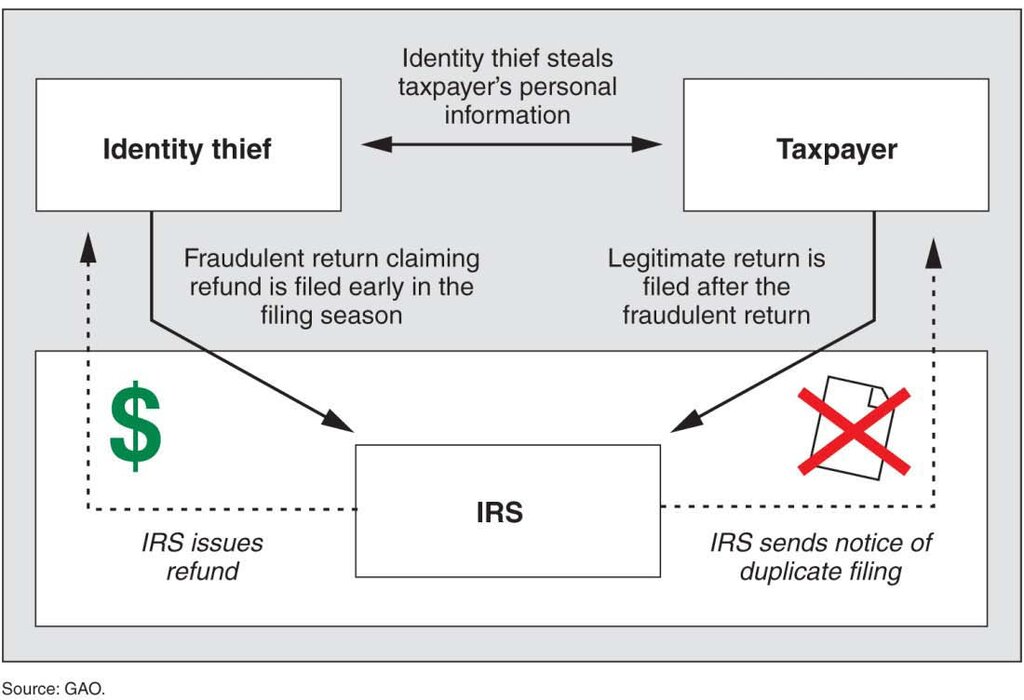
Each scam has unique tactics, but they all rely on convincing you to bypass your better judgment. Recognizing the basic patterns is key.
Why It Matters
Falling for a financial scam can be devastating. The impact goes beyond just the money lost. Victims often experience significant emotional distress, and the process of recovering a stolen identity or clearing a damaged credit history can be long and difficult.
Being aware of how these scams work is your best defense. When you can spot the warning signs of a potential scam, you can avoid becoming a victim.
Knowledge is the most effective tool for safeguarding your finances. The more you understand about common scams, the better equipped you'll be to protect yourself and your money.
Let's review what we've learned.
What is the primary goal of a financial scam?
True or False: The impact of falling for a financial scam is purely financial.
By understanding the basic forms that financial fraud takes, you're already in a much stronger position to keep your money safe.