Financial Markets Explained
Introduction to Financial Markets
Where Money Meets Opportunity
Think of a bustling farmers market. Growers bring their produce, and shoppers come to buy. It's a central place where people who have something can connect with people who need it. Financial markets work in a similar way, but instead of trading apples and carrots, they trade financial instruments like stocks and bonds.
At its core, a financial market is any marketplace where buyers and sellers trade assets. Its main purpose is to connect people who have extra money (savers and investors) with those who need money (like businesses or governments). This connection is vital for economic growth. When a company wants to build a new factory or a government needs to fund a new highway, they can turn to financial markets to raise the necessary capital.
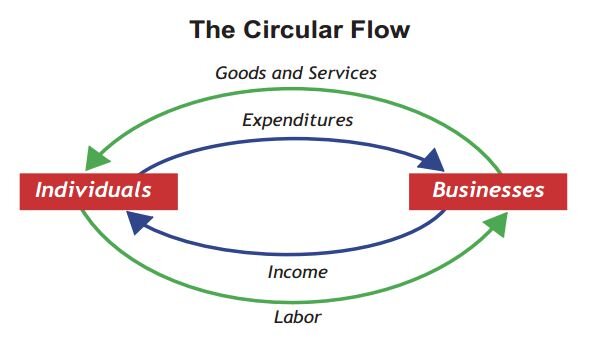
Without these markets, savings might just sit under a mattress, and promising projects would never get off the ground. They are the engine that channels money from savings into productive investments, helping businesses expand, innovate, and create jobs.
The Four Main Jobs
Financial markets aren't just chaotic trading floors. They perform several crucial functions that keep the economy running smoothly.
- Capital Formation: This is the big one. Markets pool the savings of many individuals and make that money available for businesses and governments to invest in long-term projects. It’s how a great idea becomes a real company.
- Liquidity Provision: Liquidity refers to how quickly you can convert an asset into cash without affecting its market price. Financial markets provide high liquidity, meaning you can buy or sell assets quickly. This is different from, say, selling a house, which can take months and involves high transaction costs.
Liquidity
noun
The efficiency or ease with which an asset or security can be converted into ready cash without affecting its market price.
- Price Discovery: How much is a share of a company worth? The market decides. The constant interaction of buyers and sellers determines the price of a financial asset. This price reflects all available information and collective judgment about that asset's current and future value.
Through the interaction of buyers and sellers, the capital market establishes the prices of financial instruments.
- Risk Management: Markets offer ways for individuals and businesses to manage financial risks. While all investing involves risk, financial markets allow for diversification—spreading your money across different assets—which can help reduce the impact if one particular investment performs poorly.
The Players in the Game
Three main groups keep the financial markets moving. Each has a distinct role.
Investors: These are the providers of capital. They can be individuals (often called retail investors) saving for retirement, or large institutions like pension funds, insurance companies, and mutual funds that manage money on behalf of others. They are looking to put their money to work to earn a return.
Financial Institutions: These are the intermediaries. Think of them as the organizers and facilitators of the market. This group includes banks, brokerage firms, and stock exchanges. They connect investors with those who need capital, execute trades, and create financial products.
Regulatory Bodies: These are the referees. Their job is to ensure the market is fair, transparent, and stable. They create and enforce the rules of the game to protect investors from fraud and manipulation. In the United States, a key regulator is the Securities and Exchange Commission (SEC).
Together, these participants create a dynamic ecosystem where capital flows, prices are set, and economic activity is funded. Now let's test your knowledge.
What is the primary purpose of financial markets?
The process where the interaction of buyers and sellers determines the value of a stock or bond is called: