Financial English for B1 Learners
Corporate Financial Reporting
The Language of Financial Reports
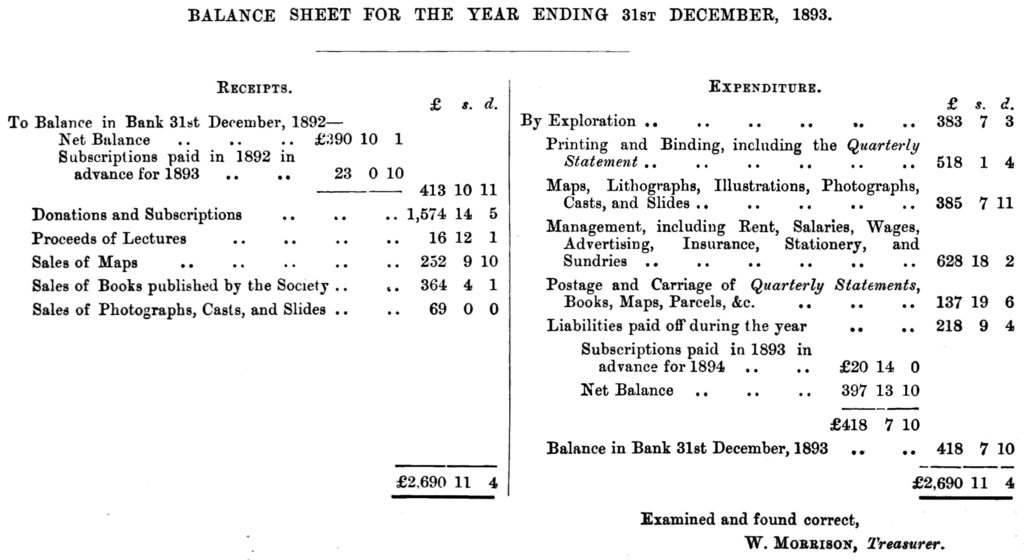
Every public company tells its financial story through a few key documents. These aren't just collections of numbers; they are formal reports that follow specific rules of accounting and language. The two most important are the Balance Sheet and the Income Statement. Understanding them allows you to see a company's financial health at a glance.
Think of the Balance Sheet as a snapshot. It shows what a company owns and what it owes at a single point in time. The Income Statement, on the other hand, is like a video. It shows how profitable the company was over a period, like a quarter or a year.
The Balance Sheet
The Balance Sheet is built on a simple but powerful equation. It must always balance.
Let's break down the two main parts you need to know for now. are economic resources owned by the company that have future economic value. Liabilities are a company's financial obligations or debts.
| Category | Definition | Examples |
|---|---|---|
| Assets | Resources the company owns. | Cash, Inventory, Buildings, Equipment |
| Liabilities | Money the company owes. | Bank Loans, Accounts Payable, Wages Owed |
The Income Statement
The Income Statement measures a company's performance. It starts with total sales, called Revenue, and subtracts various costs to arrive at the final profit.
One key distinction is between gross and net profit. Gross profit is the profit a company makes after paying for the direct costs associated with making and selling its products. Net profit, often called the 'bottom line', is what's left after all expenses have been paid, including taxes and interest.
For example, if a bakery has 💲10,000 in revenue from selling bread and the flour and sugar cost 💲3,000, its gross profit is 💲7,000. But to find the net profit, the bakery must also subtract rent, salaries, and taxes.
One common expense you'll see is This accounts for the loss in value of an asset over time. For instance, a delivery truck is worth less after a year of use, and this loss is recorded as an expense.
Reporting in the Passive Voice
Financial reports are formal and objective. To achieve this tone, they almost always use the passive voice. This structure emphasizes the action rather than the person or department who performed it. The focus is on what happened, not who did it.
When reporting on past events, such as the results from the previous year, the past passive is used. This is formed with was/were + past participle.
| Active Voice (Informal) | Passive Voice (Formal) |
|---|---|
| We generated $5M in revenue. | Revenue of $5M was generated. |
| The company paid all its taxes. | All taxes were paid. |
| We sold the old equipment. | The old equipment was sold. |
In the annual report, a sentence might read: "Significant growth was achieved in the Asian market, and operating costs were reduced by 15%."
Now, let's review the key terms we've covered.
Ready to test your knowledge? This quiz will cover the main ideas from this section.
Which statement best describes the primary difference between a Balance Sheet and an Income Statement?
On a company's financial reports, what are 'Assets'?
By mastering this vocabulary and the passive voice, you can read and describe financial reports with the formal, objective tone used by professionals.