Financial Engineering Essentials
Introduction to Financial Engineering
What is Financial Engineering?
Think of an engineer who designs a bridge. They use principles from physics and materials science to create a structure that is safe, efficient, and serves a specific purpose. Financial engineering is similar, but the materials are financial concepts and the structures are financial products or strategies.
Financial engineering can be defined as the application of quantitative methods to solve problems in finance and investment.
It’s a field that blends finance, mathematics, and computer science. Professionals in this area, often called 'quants,' design and build new financial instruments. They might create a complex investment strategy for a hedge fund or develop a new way for a company to manage financial risk. The goal is always to solve a specific financial problem, whether that's reducing uncertainty, creating new opportunities for profit, or making markets more efficient.
Solving Financial Puzzles
Financial engineering has many practical applications. It’s not just theoretical; it's used every day to make critical business decisions.
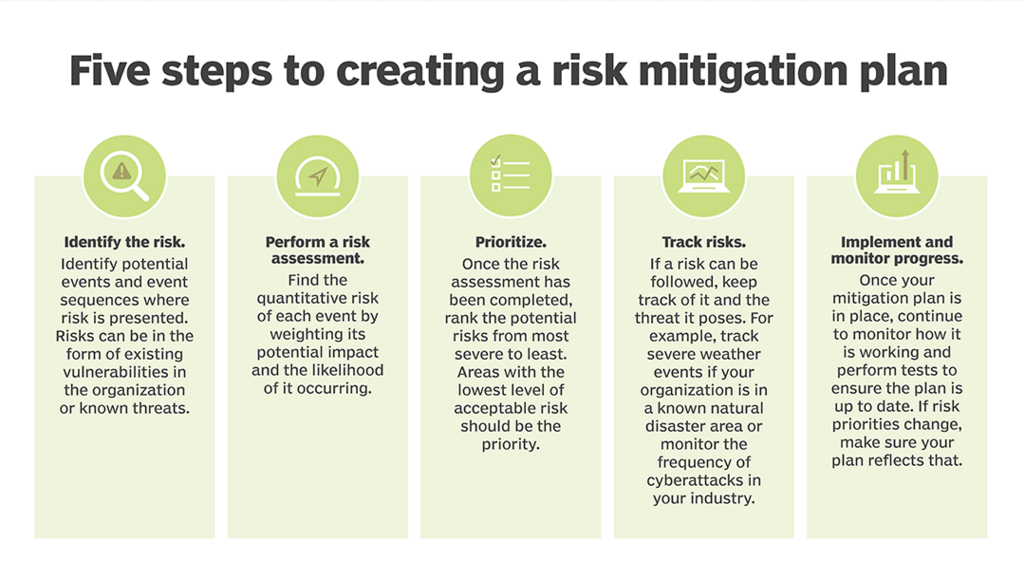
One of the most important applications is risk management.
Imagine you run an airline. Your biggest, most unpredictable cost is jet fuel. If the price of oil suddenly spikes, your profits could disappear overnight. Financial engineers tackle this problem by creating special contracts that allow the airline to lock in a future price for fuel. This removes the uncertainty and makes the business more stable. This same principle applies to farmers worried about crop prices or multinational companies dealing with fluctuating currency exchange rates.
Another major area is derivative pricing. A derivative is a financial contract whose value is derived from an underlying asset, like a stock, a commodity, or an interest rate. Options and futures contracts are common examples. A financial engineer’s job is to figure out a fair price for these contracts. This is a complex task that depends on many factors, including the price of the underlying asset, its volatility, and the time until the contract expires.
Finally, financial engineering is the engine behind many modern investment strategies. Instead of just buying and holding stocks, quantitative investment funds use complex models to make trading decisions. These models, built by financial engineers, can analyze vast amounts of data to find patterns and opportunities that a human investor might miss. They design systematic, data-driven ways to navigate the financial markets.
The Tools of the Trade
To build these solutions, financial engineers work within the world's financial markets. These are simply the venues, like the New York Stock Exchange, where financial instruments are bought and sold. The instruments themselves are the basic building blocks.
| Instrument | Description |
|---|---|
| Stocks | A share of ownership in a public company. Also known as equities. |
| Bonds | A loan made by an investor to a borrower, typically a corporation or government. |
| Currencies | The foreign exchange market (Forex) where national currencies are traded. |
| Commodities | Raw materials like oil, gold, or agricultural products. |
| Derivatives | Contracts whose value depends on one of the assets listed above. |
Financial engineers use these fundamental instruments to construct more complex products. They might combine a bond with an option to create a new type of security with a unique risk and reward profile. The possibilities are nearly endless, driven by the needs of businesses and investors.
By understanding these core concepts, you can start to see how financial engineering shapes our economy. It’s a powerful discipline that uses quantitative tools to manage risk and create value in the complex world of finance.
What is the primary goal of financial engineering?
An agricultural company is concerned about falling prices for its wheat harvest. A financial engineer could help them by creating a contract that locks in a future selling price. This practice is best described as: