Finance Mastery from Scratch to Expert
Capital Flow Logic
The Global Plumbing System
Money is always moving. Like water, it flows from areas of abundance to areas of scarcity. In the financial world, this means capital moves from those who have more than they currently need—savers and investors—to those who need it to build something new, like businesses launching products or governments building infrastructure. These two groups are often called surplus units and deficit units.
Think of it as a global plumbing system. The 'rain' is the accumulated savings of individuals, households, and corporations. These droplets of capital don't just sit there. They seek a place to pool and be put to use. This is where financial intermediaries come in. Banks, investment funds, and stock markets act as the system's reservoirs and pipes. They collect the capital and direct it to where it can be most productive.
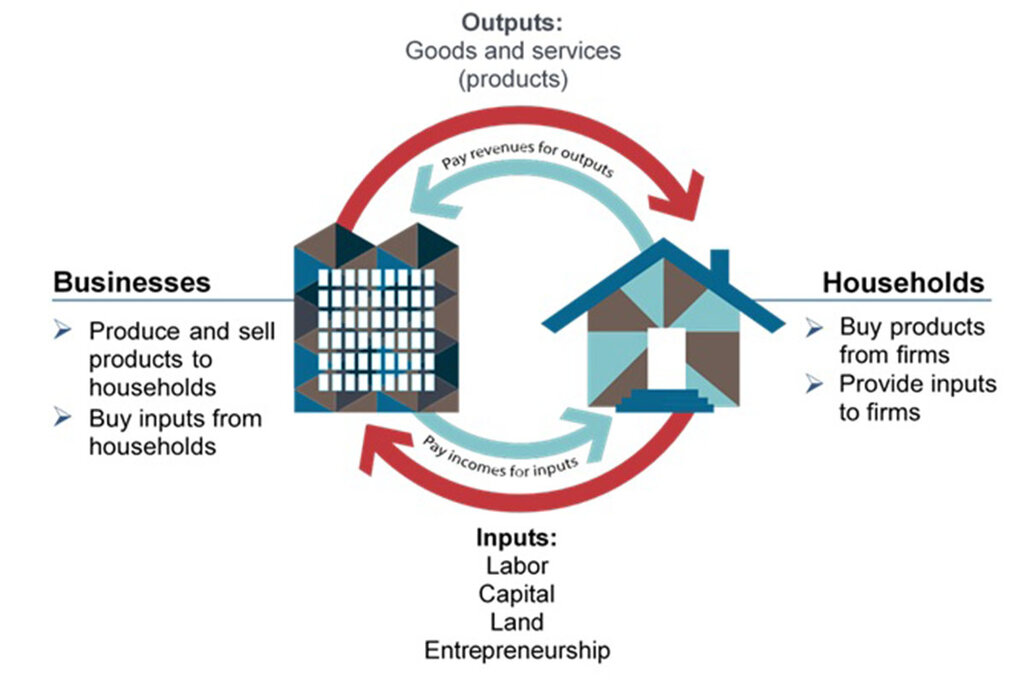
This system isn't random. Capital is directed by a powerful, invisible force: the search for a return. A business needing funds to expand offers to pay a price—interest or a share of future profits—to those who provide the capital. The higher the potential profit, the stronger the pull. The 'plumbing' ensures this capital gets to the 'gardens'—the businesses and projects—that promise the most growth.
Risk, Return, and Opportunity Cost
Capital doesn't just chase the highest possible return. It also avoids the steepest drops, which represent risk. Every financial decision is a balance between these two forces. A startup might promise a huge return, but it also carries a high risk of failure. A government bond offers a much lower return, but it's considered very safe. The flow of capital is a constant negotiation between greed and fear.
The core logic is simple: capital flows to where it is treated best. 'Best' is a combination of the highest potential return for the lowest acceptable risk.
This balancing act is guided by a concept called —the value of the next-best alternative you give up when making a choice. When you invest $100 in Company A, you can't invest that same $100 in Company B. The opportunity cost of choosing Company A is the potential return you might have earned from Company B. Investors constantly weigh these trade-offs, which directs the flow of money across the entire economy. It’s the compass that points capital toward its most efficient use.
A simple way to visualize this is through the risk-return spectrum. Imagine a landscape where the elevation represents potential return. Capital, like water, will naturally try to flow to the highest peaks. But these peaks are often on treacherous, unstable ground, representing high risk. Safer investments are like lower, more stable plains. is the art of deciding where to build your channels in this landscape.
The Global Flow
This logic doesn't stop at national borders. Capital flows globally, constantly seeking the best risk-adjusted returns. If interest rates are higher in Brazil than in Japan, capital might flow from Japanese savers to Brazilian businesses. If the tech sector in the United States looks more promising than manufacturing in Europe, investment will shift accordingly.
Governments and central banks play a huge role in directing these flows. By setting or changing regulations, they can make their country's 'gardens' more or less attractive to global 'rain'. These actions create incentives that can draw in billions of dollars or cause capital to flee overnight. The entire global financial system is a dynamic, interconnected network, constantly rebalancing as it channels money to where it's needed most.
In the analogy of money as water, what do financial intermediaries like banks and investment funds represent?
What is the concept of 'opportunity cost' in an investment context?
This intricate dance of risk, return, and opportunity ensures that capital, the lifeblood of the economy, keeps flowing, nourishing growth and innovation around the world.