Finance Marketing Essentials
Introduction to Finance Marketing
Marketing Money
Marketing is everywhere, from the ads you see for sneakers to the packaging on your favorite cereal. But what happens when the product isn't a physical thing you can hold, but a concept like a loan, an insurance policy, or an investment?
This is the world of finance marketing. It's the process of promoting financial services and products to both individuals and businesses. The scope is broad, covering everything from retail banking (checking accounts, mortgages), insurance (life, auto, health), and investments (stocks, mutual funds) to complex corporate finance solutions.
Finance marketing isn't just about selling; it's about building long-term relationships and educating people on how to manage their financial lives.
Selling the Intangible
Marketing a financial product is fundamentally different from marketing a car or a smartphone. Financial products have unique characteristics that shape how they are sold.
First, they are intangible. You can't test drive a mutual fund or feel the quality of a life insurance policy. You're buying a promise: a promise that your money will be safe, that it will grow, or that your family will be protected in an emergency.
They are also often complex. The details of a mortgage or the terms of an investment account can be filled with jargon and complicated calculations. A key role of a finance marketer is to make these complex ideas understandable and accessible.
Finally, choosing a financial product is a high-involvement decision. Unlike buying a cup of coffee, opening a retirement account is a significant choice with long-term consequences. This means customers spend more time researching and weighing their options.
The Currency of Trust
In most industries, trust is important. In finance, it's everything. Customers are handing over their hard-earned money and entrusting institutions with their future financial security. A bank's brand isn't just a logo; it's a symbol of safety and reliability.
Credibility is built over time through transparency, consistent performance, and excellent customer service. Think of it like a reputation. It can take decades to build and only moments to destroy. Financial marketers must protect and enhance this trust in every message they send and every interaction they have with customers.
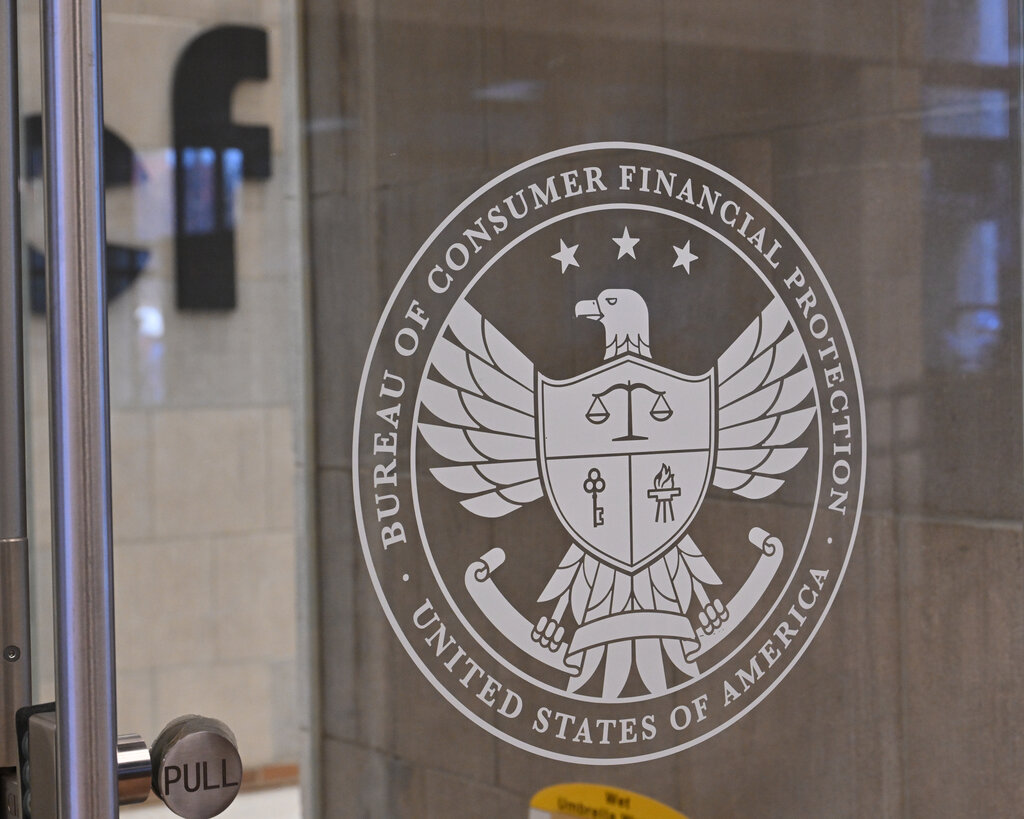
Because trust is so critical and the products are so consequential, the financial industry is heavily regulated. Governments and agencies set strict rules about what marketers can and cannot say.
These regulations are designed to protect consumers from misleading information and predatory practices. For example, advertisements for loans must clearly state the interest rates and any associated fees. Investment promotions must disclose potential risks. Marketers in this field must have a solid understanding of this legal landscape to ensure their communications are not only effective but also compliant and ethical.
What is the core challenge finance marketers face that marketers of physical goods like cars do not?
Which of the following best describes a 'high-involvement decision' in the context of finance?