Filmmaking Fundamentals
Introduction to Filmmaking
From Idea to Screen
A great film can feel like magic, but it’s the result of a long and structured process. Every movie, from a blockbuster superhero epic to a quiet indie drama, goes through a series of stages that transform an initial concept into the final product you see on screen. Think of it as a roadmap that guides a creative idea through to completion.
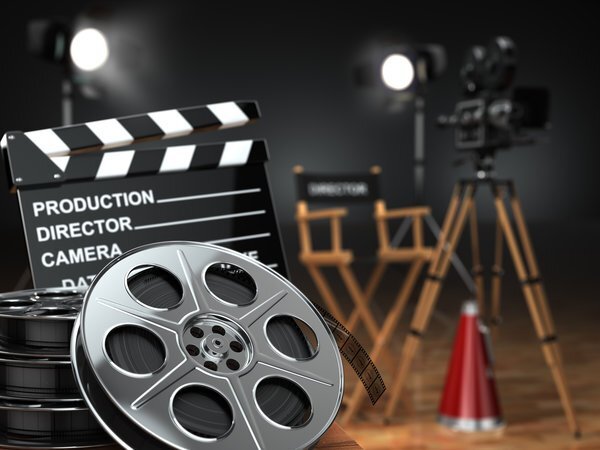
This journey is traditionally broken down into five distinct phases: development, pre-production, production, post-production, and distribution. While the technology has changed dramatically over the years, from heavy film cameras to lightweight digital ones, this fundamental workflow has remained surprisingly consistent.
The Five Stages
The very first stage is Development. This is where the movie is born. It might start with a screenwriter’s original idea, a pitch from a director, or the rights to a popular book. The main goal here is to create a solid blueprint for the film. This involves writing and refining the screenplay, figuring out the potential budget, and securing initial funding to get the project off the ground. A producer is the key player at this stage, championing the project and gathering the resources needed to move forward.
Next comes Pre-production, the critical planning phase. This is where all the logistical and creative decisions are made before the camera starts rolling. A common saying in the industry is that a film is made in pre-production, and it’s true. A well-planned shoot saves immense amounts of time and money later on.
During this stage, the team hires the crew, casts the actors, scouts for locations, finalizes the script, creates storyboards, and builds sets. The director works closely with the cinematographer (or Director of Photography) to plan the visual style of the film, while the production designer oversees the look of the sets, costumes, and props.
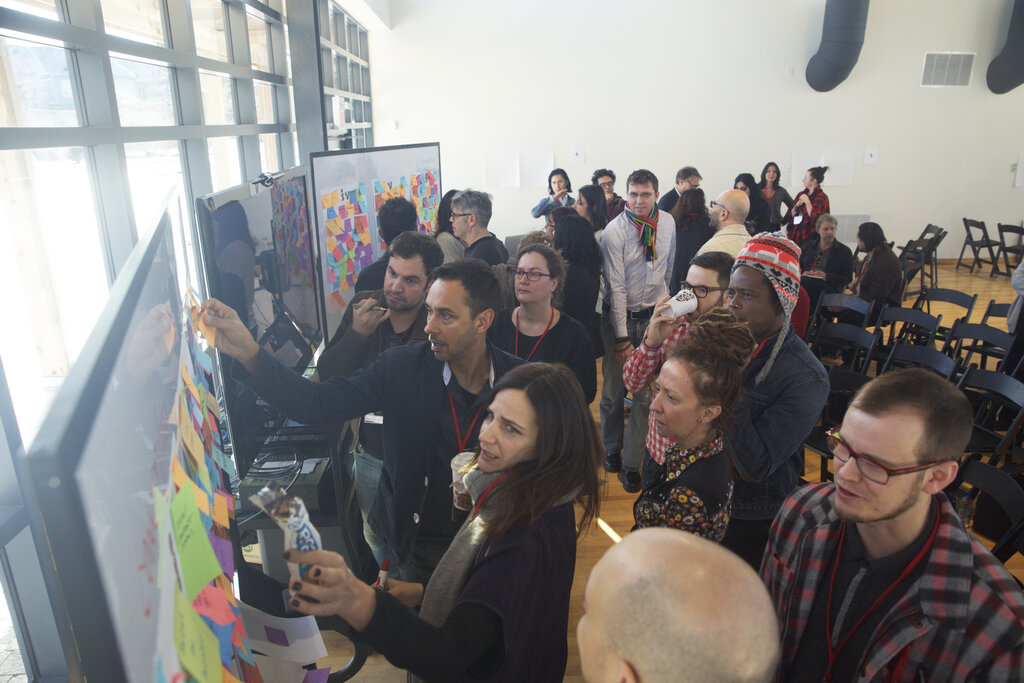
Then it’s time for Production, the phase most people picture when they think of filmmaking. This is the actual shooting of the film. All the planning from pre-production is put into action as the cast and crew work together to capture all the scenes. It's an intense, often fast-paced period where the director's vision is brought to life, shot by shot. The entire team, from the actors to the sound mixer to the gaffer (head electrician), works in sync to execute the plan laid out in the schedule.
Once filming wraps, the project enters Post-production. This is where the raw footage is assembled into a coherent story. The editor pieces together the best takes, shaping the rhythm and pace of the narrative. But editing is just one part of it. Post-production also includes sound design, where dialogue is cleaned up and sound effects are added. A composer writes the musical score, and visual effects (VFX) artists create any digital elements needed. Finally, the film is color-graded to achieve a consistent and compelling look.
The final stage is Distribution. A film isn't complete until it reaches an audience. Distribution is the business of getting the finished movie into theaters, onto streaming platforms, or broadcast on television. This phase involves marketing and promotion to build awareness and excitement. The distributors negotiate deals with theaters and platforms and plan the release strategy, which might include premiering the film at festivals to generate buzz.
Many Roles, One Vision
As you can see, filmmaking is a deeply collaborative art form. While the director holds the central creative vision, it takes a small army of specialized professionals to bring that vision to life. From the producer who finds the money to the editor who shapes the final cut, each role is crucial to the success of the project.
Every stage of the filmmaking process, from development to distribution, requires a unique set of skills and a high degree of teamwork.
Understanding these stages provides a framework for appreciating the incredible amount of work that goes into every film you watch. It's a complex, challenging, and ultimately rewarding process that all starts with a single idea.
During which phase of filmmaking are the cast and crew hired, locations scouted, and the final script locked in?
Which key professional is responsible for assembling the raw footage and shaping the rhythm and pace of the film?