Filmmaking Essentials
Introduction to Filmmaking
The Five Stages of Filmmaking
Making a movie isn't just about yelling "Action!" and "Cut!". It's a carefully planned journey with a clear beginning, middle, and end. Every film, from a small independent short to a massive blockbuster, goes through five distinct stages. Understanding this process is the first step to understanding how stories come to life on screen.
Let's walk through each phase, starting where every great film begins: with an idea.
From Idea to Script
The first stage is development. This is the creative seed of the project. It can start with a simple concept, a character, a real event, or a book to adapt. The goal is to nurture this initial spark into a solid story. Screenwriters work to create a compelling narrative, often summarizing it first in a logline—a one or two-sentence pitch—and then expanding it into a detailed treatment.
During this phase, producers secure the rights to the story and begin looking for initial funding. A strong, well-written screenplay is the blueprint for the entire film. Without it, the project rarely moves forward.
Planning and Assembling
Pre-production is where the film is built on paper. Once the script is finalized and funding is in place, the logistics begin. The director works with a team to break down the script into a shooting plan.
Key tasks include:
- Casting: Finding the right actors for each role.
- Hiring Crew: Assembling the team, from the cinematographer to the production designer.
- Location Scouting: Finding and securing places to film.
- Scheduling: Creating a detailed timetable for the entire shoot.
- Storyboarding: Visualizing shots and scenes before filming begins.
This stage is all about preparation. A smooth pre-production phase is crucial for a successful and on-budget shoot.
Once every detail is planned, it's time to roll the cameras.
Lights, Camera, Production
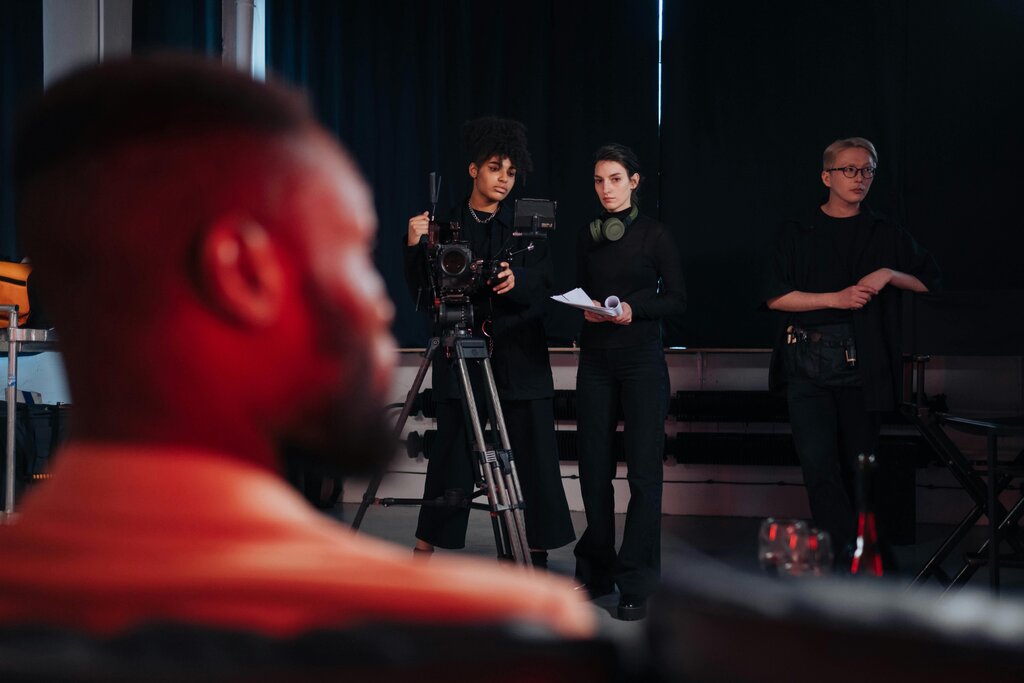
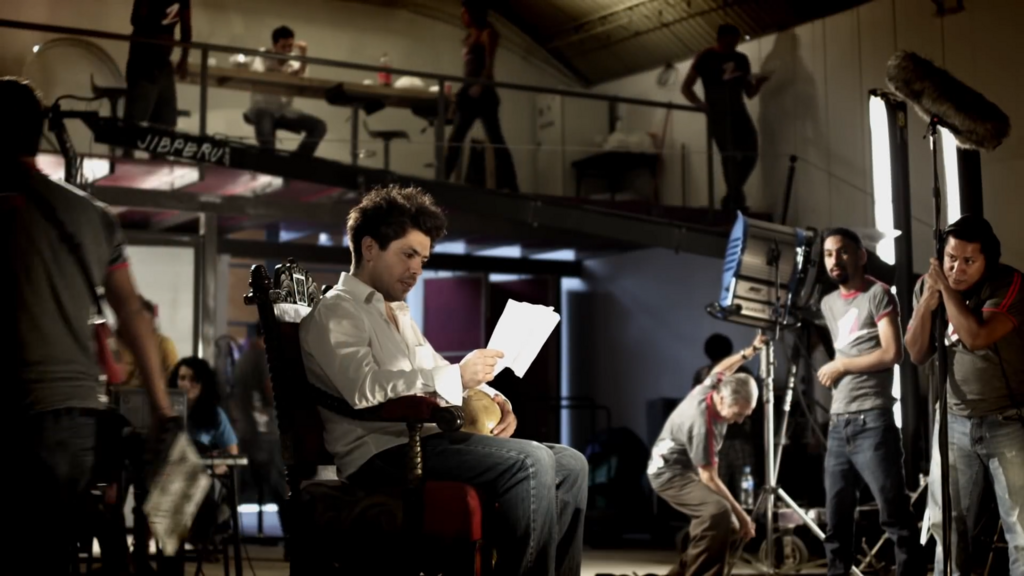
Production is the phase where the actual filming happens. It's often the shortest but most intense part of the process. The cast and crew come together on set to bring the script to life, shot by shot. The director guides the performances, the cinematographer captures the visuals, and the sound department records the audio. Every day involves capturing the scenes laid out in the shooting schedule.
This is where the raw materials for the film—the footage and sound—are created. It requires immense coordination from everyone on the film crew.
The crew on set is a complex machine with many moving parts. The director is the creative leader, shaping the story and performances. The producer manages the budget, schedule, and logistics. The cinematographer (or Director of Photography) is responsible for the visual look of the film, including lighting and camera work. These are just a few of the dozens of specialized roles required to make a film.
Crafting the Final Film
After the final "wrap!" is called on set, post-production begins. This is where all the raw footage and audio are assembled into a finished movie. The editor pieces together the best takes to create a seamless narrative. Visual effects artists add digital elements, sound designers build the audio landscape with effects and dialogue, and a composer writes the musical score.
Color grading is also done here to give the film its final look and mood. Post-production is a meticulous process that can take many months, or even years, to complete. It's where the story, first imagined in development, truly takes its final form.
The final stage is distribution. A finished film needs an audience. Distributors work to get the movie into theaters, onto streaming services, or available on-demand. This involves marketing, creating trailers, and planning a release strategy to reach the widest possible audience.
From a flickering silent image at the dawn of the 20th century to the global streaming industry of today, cinema has always been about one thing: connecting with people through stories. The five-stage process is the machinery that makes that connection possible.