Film vs Digital Photography
Introduction to Photography
Capturing Light
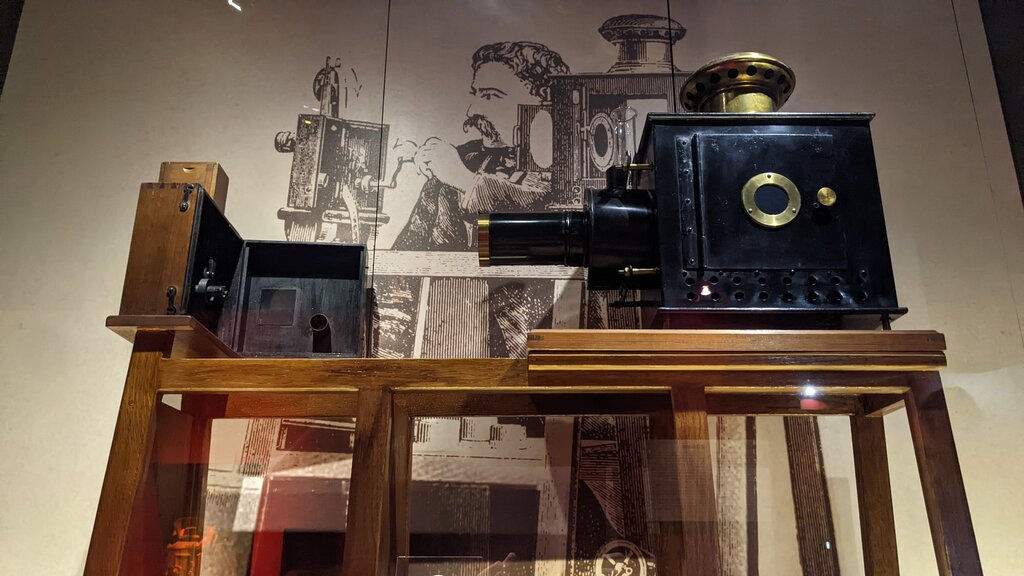
At its heart, photography is simply the art of capturing light. The first attempts to do this were surprisingly simple. Hundreds of years ago, artists used a device called a camera obscura, which is Latin for “dark room.” It was just a dark box or room with a tiny hole in one side. Light from outside would pass through the hole and project an upside-down image onto the opposite wall. It was like magic, but it was just physics.
The challenge, for centuries, was how to make that projected image permanent. In the 1820s, inventors like Nicéphore Niépce in France began experimenting with light-sensitive materials. He used a pewter plate coated with a type of asphalt that hardened when exposed to light. By placing it inside a camera obscura and exposing it for several hours—or even days—he created the world's first photograph. It was a crude, blurry image of the view from his window, but it was a revolutionary start.
How a Camera Works
Every camera, from the oldest film models to the smartphone in your pocket, works on the same basic principle as the camera obscura. It's a light-proof box that lets in a controlled amount of light to create an image on a sensitive surface.
Think of a camera like a human eye. The lens is like the eye's lens, focusing light from the world onto a single point. The aperture is like your pupil, which can get bigger or smaller to let in more or less light. The shutter is like your eyelid; it opens for a brief moment to let the light in and then closes. Finally, the camera's sensor (or film) is like the retina at the back of your eye, which records the image.
Let's break down the key parts:
- Lens: A piece of curved glass (or multiple pieces) that gathers light from a scene and focuses it onto the sensor or film.
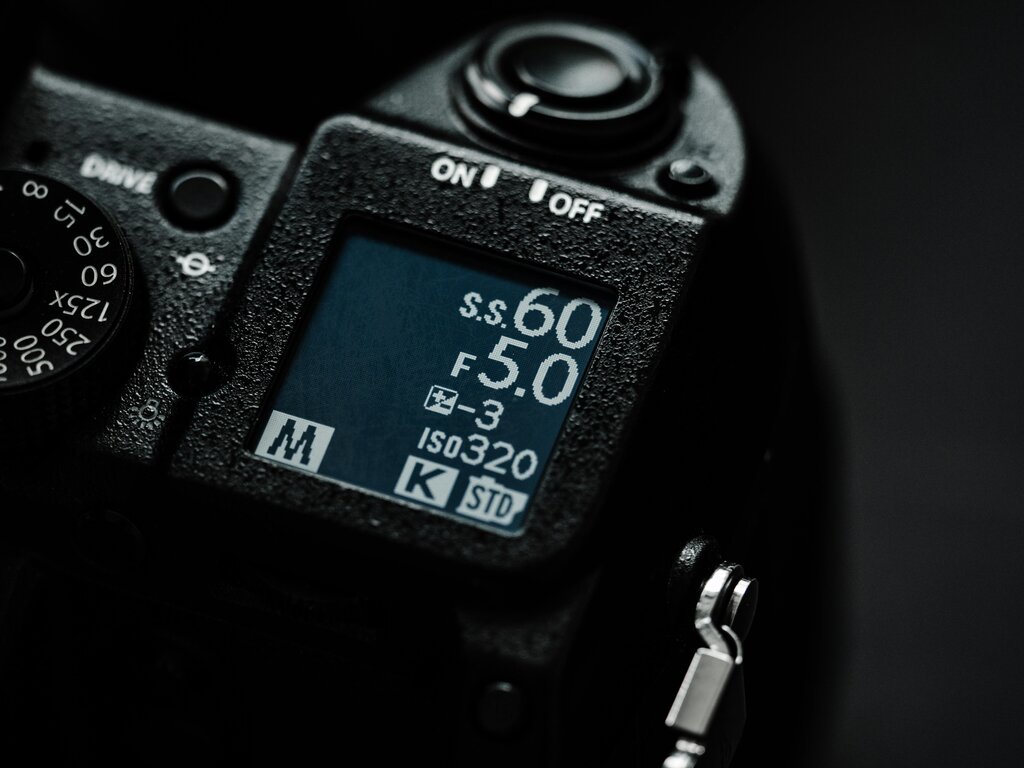
- Aperture: An adjustable opening inside the lens that controls how much light passes through. A wider aperture lets in more light, while a smaller one lets in less.
- Shutter: A curtain in front of the sensor that opens and closes to control how long the light is allowed to hit the sensor. The shutter speed determines whether motion is frozen or blurred.
- Sensor/Film: The light-sensitive material at the back of the camera that records the image. In digital cameras, this is an electronic sensor. In older cameras, it was a strip of chemical-coated film.
Types of Cameras
Cameras come in many shapes and sizes, but most fall into a few main categories. Each type has its own strengths and is designed for different kinds of photographers.
| Camera Type | Key Feature | Best For |
|---|---|---|
| DSLR | Uses a mirror to reflect light to an optical viewfinder. | Versatility, professional work, action. |
| Mirrorless | No mirror; light goes directly to the sensor. | Travel, video, high image quality in a smaller size. |
| Point-and-Shoot | Simple, compact, and automated. | Casual snapshots, convenience. |
| Smartphone | Extremely portable and always with you. | Everyday moments, social media. |
Understanding these basic building blocks is the first step toward taking control of your photography. Whether you're using a phone or a professional camera, the principles of capturing light are universal.