Figma Brand Design Mastery
Brand Identity Basics
What Is Brand Identity?
Think about your favorite coffee shop or clothing store. What comes to mind? It’s probably not just the product. You might picture their logo, the colors they use, or the general feeling you get from them. All those pieces, working together, form their brand identity.
Brand identity is the collection of visual elements that a company creates to shape how the public perceives it. It’s the company's personality made visible. Just like a person's style and way of speaking tell you something about them, a brand's identity communicates its values, purpose, and character without saying a word.
Brand Identity
noun
The visible elements of a brand, such as color, design, and logo, that identify and distinguish the brand in consumers' minds.
A strong identity does more than just look good. It builds recognition, creates trust, and fosters a connection with customers. When people instantly recognize your brand, they are more likely to choose you over a competitor. It’s the visual shortcut that says, “You know us, you can trust us.”
The Building Blocks
A cohesive brand identity is built from several key components. Each one plays a specific role, but their real power comes from how they work together.

Logos A logo is the primary symbol of a brand. It can be a mark, an emblem, or a stylized name. As the face of the company, it's often the most recognizable element of the brand identity. Think of the Nike swoosh or the Apple logo—these simple symbols are instantly identifiable worldwide.
Color Schemes Color is a powerful tool. It evokes emotion and communicates meaning on a subconscious level. A brand's color palette sets the mood and can influence how people feel about the company. Is your brand energetic and bold (like red or orange) or calm and trustworthy (like blue or green)? Choosing the right colors is critical to conveying the right message.
The colors you choose will be used across your logo, website, marketing materials, and products, creating a unified look.
Typography Typography is the style and appearance of the text you use. The fonts a brand chooses can say a lot about its personality. A modern, sans-serif font might feel clean and efficient, while a classic serif font can convey tradition and reliability. The key is to select fonts that are not only legible but also aligned with the brand's character.
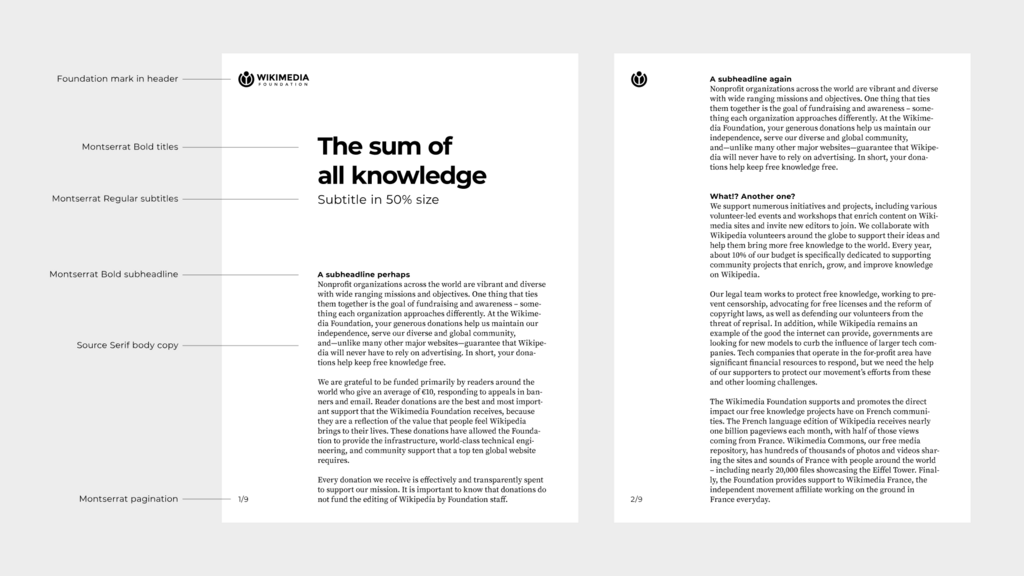
Imagery The photos, illustrations, icons, and videos a brand uses are also part of its identity. Imagery helps tell the brand's story and connect with the audience on a human level. Whether it’s professional photography, custom illustrations, or user-generated content, all visuals should have a consistent style and tone that reflects the brand's essence.
Guiding Principles
Creating a memorable brand identity isn’t just about picking a nice logo and some colors. It’s guided by a few core principles that ensure all the elements work together effectively.
Consistency is key when it comes to crafting and maintaining a strong and distinctive brand identity.
Consistency This is the golden rule. Your brand identity should look and feel the same everywhere, whether a customer sees it on your website, a social media post, or product packaging. This repetition builds recognition and reinforces the brand in people's minds.
Clarity A strong brand identity communicates its message clearly and simply. There should be no confusion about what your company stands for. Every element, from the logo to the typography, should be straightforward and easy to understand.
Authenticity Your brand identity should be an honest reflection of your company's values and mission. Customers are smart; they can easily spot a brand that’s trying to be something it’s not. An authentic identity builds trust and creates a more genuine connection with your audience.

Differentiation In a crowded market, you need to stand out. Your brand identity should set you apart from the competition. What makes you unique? Your visuals should reflect that uniqueness, making your brand memorable and distinct.
Flexibility While consistency is crucial, a brand identity also needs to be flexible. It should be able to adapt to different contexts, from a tiny favicon on a browser tab to a large billboard. A flexible identity can evolve with the company over time without losing its core character.
Now that you understand the fundamentals of brand identity, let's test your knowledge.
What is the primary function of a brand identity?
The choice of fonts, and the style and appearance of text, is known as ______.
These core components and principles are the foundation for building a brand that not only looks great but also resonates deeply with its audience.