FIFRA Regulatory Framework and Compliance
Section 3 Registration
The Heart of FIFRA: Section 3 Registration
At the core of the Federal Insecticide, Fungicide, and Rodenticide Act (FIFRA) lies Section 3, the primary mechanism for registering pesticides in the United States. This isn't a simple rubber-stamp process. It's a complex evaluation where the Environmental Protection Agency (EPA) weighs the benefits of a pesticide against its potential risks.
According to the Federal Insecticide, Fungicide, and Rodenticide Act (“FIFRA”), it is illegal to sell or use a pesticide in the United States unless it has been registered.
The central question the EPA must answer for any Section 3 registration is whether the pesticide will cause "unreasonable adverse effects on the environment." This standard is a carefully calibrated risk-benefit balancing act. It acknowledges that all pesticides carry some risk, but it requires the EPA to determine if the economic, social, and environmental benefits of using the pesticide outweigh those risks.
Unconditional Registration: The Gold Standard
The most desired outcome for any manufacturer is an unconditional registration under Section 3(c)(5). This is a full approval granted when a comprehensive data package demonstrates that the pesticide meets all FIFRA requirements. The applicant must provide a massive amount of scientific data as specified in 40 CFR Part 158. This isn't a short checklist; it's an exhaustive set of studies covering everything from the product's basic chemistry to its long-term environmental impact.
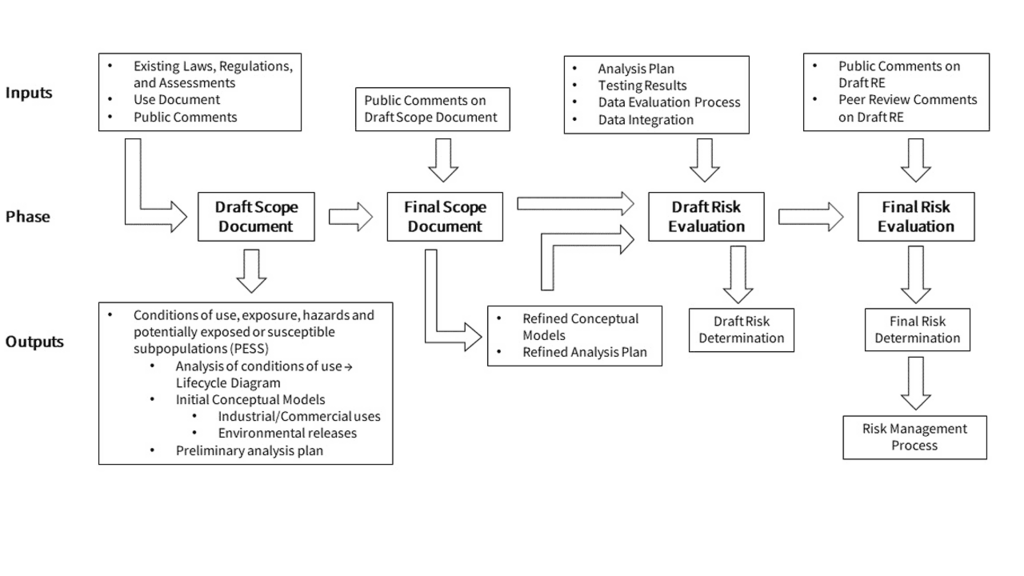
The data requirements include detailed toxicology studies to assess potential effects on humans and wildlife, environmental fate studies to understand how the chemical moves and breaks down in soil and water, and residue chemistry data to set food tolerance levels. A critical component of this submission is the Confidential Statement of Formula (CSF). This document discloses the precise composition of the product, including the active ingredient, inert ingredients, and any impurities. The CSF is vital for the EPA's risk assessment and is protected as a trade secret.
Conditional Registration: A Bridge to Market
What happens when a product is promising but the data package is incomplete? Section 3(c)(7) provides a pathway called conditional registration. This allows the EPA to register a pesticide for a limited time while the registrant gathers the remaining required data. It's a pragmatic tool that can speed up the availability of new, potentially safer, or more effective pest control technologies.
The EPA can grant a conditional registration if the pesticide is substantially similar to a currently registered product, if it involves a new use for an existing pesticide, or for a new active ingredient, provided it doesn't significantly increase the risk of unreasonable adverse effects.
A key condition is that approving the pesticide won't cause a significant increase in the risk of unreasonable adverse effects on the environment. Importantly, the registration is contingent on the applicant submitting the missing data within a specified timeframe. If the data is not provided or if it reveals unacceptable risks, the EPA can cancel the registration.
Protecting Innovation
Generating the extensive data required for registration costs millions of dollars. To encourage this investment, FIFRA includes provisions for data protection. Under Section 3(c)(1)(F), if a registrant submits data for a new active ingredient, they receive a 10-year period of exclusive use. During this time, the EPA cannot use that data to support another company's registration without permission.
After this exclusive period, and for all other types of data, there is an additional period where other companies can rely on the data, but they must offer to pay compensation to the original data submitter. This system is designed to balance fair competition with the need to incentivize the development of new and safer pesticides. Understanding these data rights is crucial for navigating the competitive landscape of the pesticide industry.
What is the central standard the EPA uses when evaluating a pesticide for registration under FIFRA Section 3?
What is the primary purpose of a Confidential Statement of Formula (CSF)?