Field Lubrication Essentials
Introduction to Lubrication
The Purpose of Lubrication
Wherever two surfaces move against each other in a machine, there’s friction. Friction creates heat and causes parts to wear down over time. Think of a simple door hinge that squeaks. That sound is a sign of friction, of metal grinding against metal. A drop of oil silences it because the oil separates the two surfaces.
This is the core job of lubrication: to introduce a substance between moving parts to reduce friction and wear. By doing so, lubricants help machines run smoother, last longer, and operate more efficiently. Without them, engines would seize, gears would grind to a halt, and countless machines we rely on daily would quickly fail.
Proper lubrication of moving parts reduces wear and tear on essential components.
States of Matter
When we think of lubricants, we usually picture a liquid like oil or grease. These are the most common, but lubricants can also be solids or even gases, depending on the job they need to do.
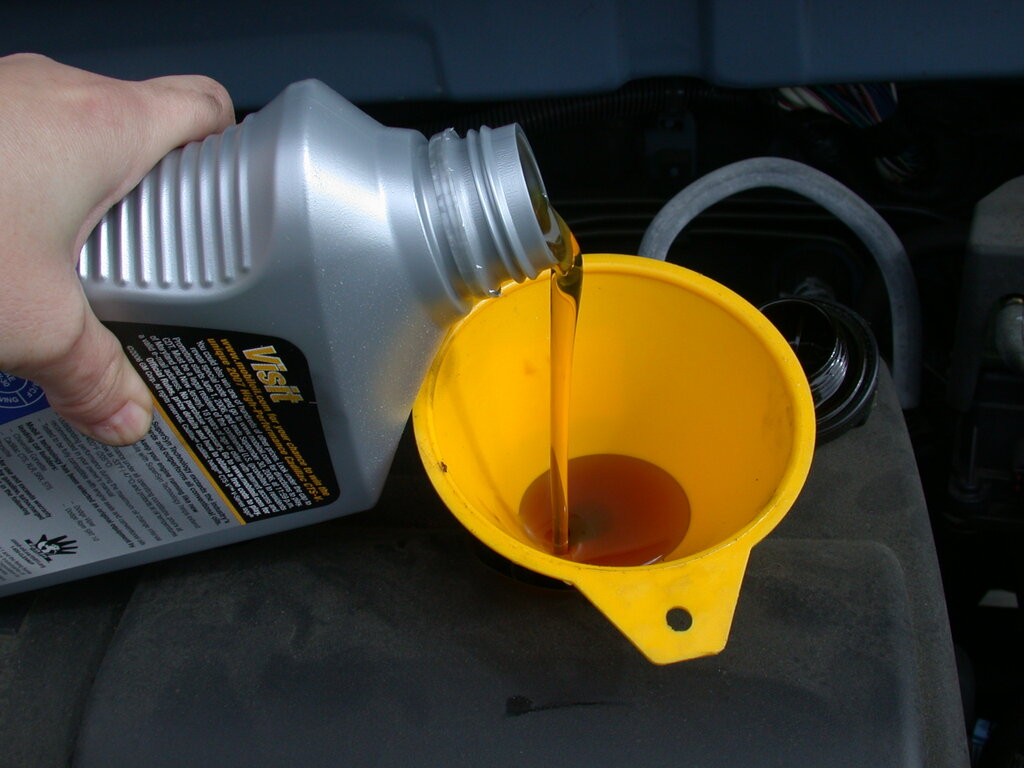
Liquid Lubricants These are the workhorses of the lubrication world. Oils and greases are used everywhere from car engines to factory machinery. Their fluid nature allows them to flow into tight spaces, carry away heat, and flush out contaminants. Greases are essentially oils mixed with a thickener, which helps them stay in place and provide long-lasting lubrication.
Solid Lubricants Sometimes, a liquid just won't work. In extreme temperatures or vacuum environments (like in space), oils can burn off or evaporate. This is where solid lubricants come in. Materials like graphite and molybdenum disulfide are applied as dry powders or coatings. They form a slick layer on a surface, allowing parts to slide past each other easily. You've used a solid lubricant if you've ever scribbled with a pencil on a sticky lock to make the key turn.
Gaseous Lubricants In certain high-speed, high-precision applications, even the thinnest layer of oil can be too much. In these cases, a gas like air or nitrogen can be used as a lubricant. A constant stream of pressurized gas forms a cushion between surfaces, allowing them to float without touching. It’s similar to how an air hockey puck glides across the table on a thin layer of air.
A Key Property
Not all liquid lubricants are the same. One of the most important properties is viscosity. It’s a measure of a fluid's resistance to flow. Honey, for example, has a high viscosity, while water has a low viscosity.
viscosity
noun
A measure of a fluid's resistance to flow. It describes the internal friction of a moving fluid; a fluid with high viscosity resists motion because its molecular makeup gives it a lot of internal friction.
The right viscosity is crucial. An oil that's too thin (low viscosity) might not provide a strong enough film to keep parts separated under pressure. An oil that's too thick (high viscosity) might not flow easily enough to reach all the necessary components, especially when an engine is cold. The choice always depends on the machine's design, operating speed, and temperature.
Ready to check your understanding?
What is the primary function of lubrication in a machine?
A technician needs to lubricate a component on a satellite that will operate in the extreme temperatures and vacuum of space. Which type of lubricant would be most suitable?
Lubrication is a fundamental concept in mechanics, ensuring that the machines that power our world continue to run effectively.