Fibromyalgia Explained
Introduction to Fibromyalgia
What is Fibromyalgia?
Fibromyalgia is a chronic condition that causes widespread pain, fatigue, and cognitive issues. It’s not a disease of the joints, muscles, or tissues themselves, but rather a disorder of how the central nervous system processes pain signals. It's a common condition, affecting millions of people, though it's more prevalent in women than in men.
Fibromyalgia
noun
A long-term condition characterized by widespread musculoskeletal pain accompanied by fatigue, sleep, memory, and mood issues. It amplifies painful sensations by affecting the way the brain and spinal cord process pain signals.
The defining symptom is a persistent, dull ache that often feels like it's coming from the muscles. To be considered widespread, the pain must occur on both sides of your body and both above and below your waist. However, living with fibromyalgia involves much more than just managing pain.
More Than Just Pain
People with fibromyalgia often wake up tired, even after sleeping for long periods. This isn't ordinary tiredness; it's a severe, draining fatigue that can interfere with work, social activities, and simple daily tasks. Many also experience cognitive difficulties, often called "fibro fog." This can make it hard to focus, pay attention, and remember things.
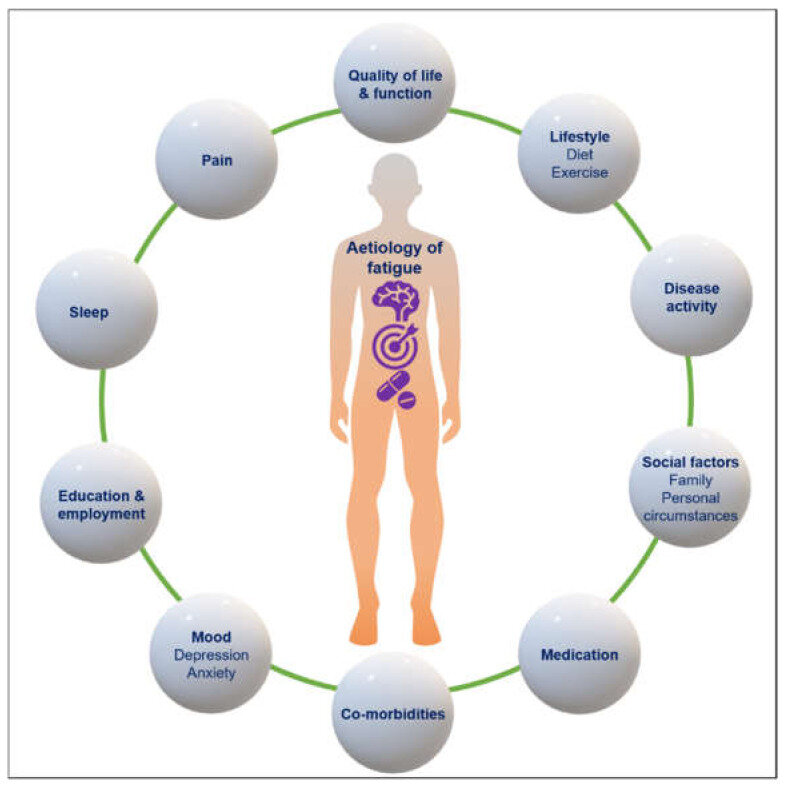
The condition is often accompanied by other issues, such as tension headaches, irritable bowel syndrome (IBS), anxiety, and depression. The combination of physical pain, exhaustion, and mental fog can make it challenging to navigate everyday life. Simple activities that others take for granted, like grocery shopping or meeting friends, can become monumental tasks.
The unpredictable nature of fibromyalgia—having good days and bad days—can make it difficult to plan and maintain a consistent routine.
A Sensitive Alarm System
So, what causes this heightened sense of pain and fatigue? Researchers believe a key mechanism is something called central sensitization. Think of it like a faulty volume knob for pain signals in your brain and spinal cord. In people with fibromyalgia, this knob is turned way up.
Because of central sensitization, the brain and nerves overreact to stimuli that wouldn't normally be painful. A gentle pat on the back might feel intensely painful. The nervous system becomes hypersensitive, essentially creating pain sensations without a corresponding injury or damage to the body's tissues. This process is believed to be triggered by a combination of factors, including genetics, infections, or physical or emotional trauma, though the exact cause is still being researched.
Understanding the nature of an advanced illness and its potential impact on daily life is the first step toward developing effective coping strategies.
Recognizing fibromyalgia as a real, biological condition rooted in the central nervous system is crucial. It's not "all in your head," but rather a complex issue of how your brain and body communicate.