Fiber Optic Internet Explained
Introduction to Fiber Optic Internet
Internet at the Speed of Light
For a long time, the internet traveled to us as electrical signals through copper wires. Think of it like a message sent down a long metal pipeline. It works, but the signal gets weaker over distance and can be affected by interference. Fiber optic internet takes a completely different approach. Instead of electricity, it uses light.
Fiber optic technology converts electrical signals into pulses of light and sends them through incredibly thin strands of glass or plastic.
These light pulses travel at nearly the speed of light, carrying vast amounts of information. This is why fiber optic connections can be so much faster and more reliable than traditional copper-based internet. The message isn't just traveling quickly; it's also less prone to losing strength or getting scrambled along the way.
Anatomy of a Fiber Cable
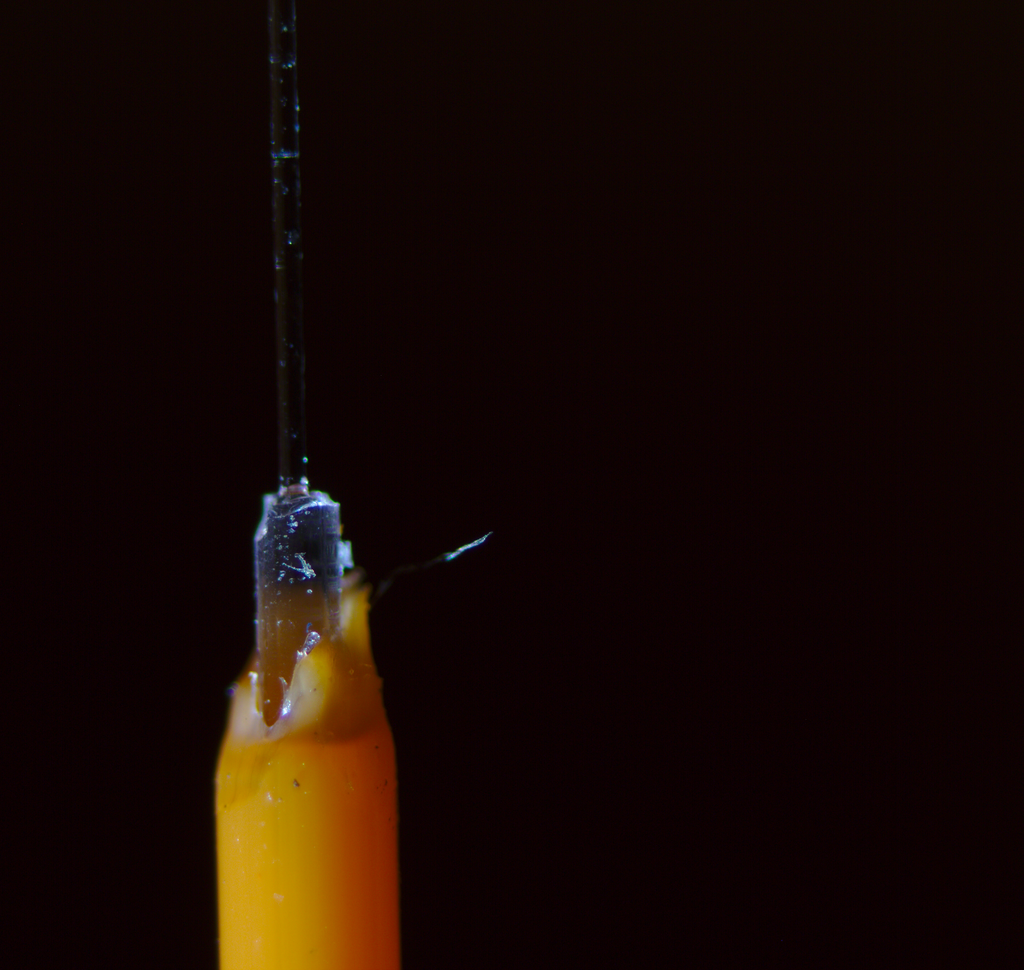
A single fiber optic strand is thinner than a human hair, but it's a marvel of engineering with several distinct layers. Each layer has a specific job to ensure the light signal makes it to its destination perfectly.
At the very center is the core. This is the pathway for the light, typically made of ultra-pure glass. Surrounding the core is the cladding, another layer of glass with a different optical density. This difference is crucial, as it acts like a perfect mirror, keeping the light signal trapped inside the core. Finally, an outer coating or jacket made of plastic protects the delicate glass fiber from damage and moisture.
How Light Stays Trapped
So how does the light stay inside this tiny glass tube without leaking out, especially when the cable bends? It uses a principle called total internal reflection.
Imagine you're underwater in a pool, looking up at the surface. If you look straight up, you see the sky. But if you look at the surface from a shallow angle, it acts like a mirror, reflecting the bottom of the pool back at you. The same thing happens inside a fiber optic cable.
The cladding is designed to have a lower refractive index than the core. When light traveling through the core hits the cladding at a shallow angle, it reflects perfectly back into the core instead of passing through.
This process repeats billions of times per second, causing the light pulse to bounce its way down the fiber for miles with almost no loss of signal strength. This is a fundamental advantage over copper wires, where the electrical signal degrades significantly over much shorter distances. Light can travel much farther through a fiber cable without needing a boost.